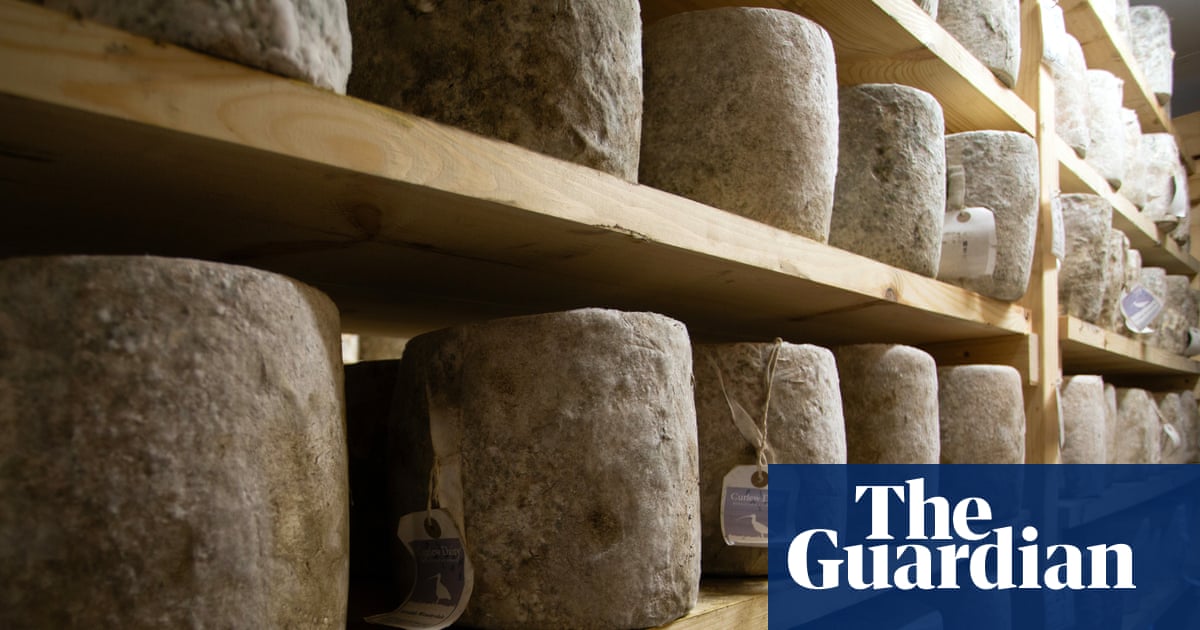
Wensleydale cheese on the shelves at a North Yorkshire dairy. The sanitary and phyto-sanitary (SPS) agreement on cheese exports to the EU will not be implemented until 1 March 2028. Photograph: Richard Saker/The ObserverView image in fullscreenWensleydale cheese on the shelves at a North Yorkshire dairy. The sanitary and phyto-sanitary (SPS) agreement on cheese exports to the EU will not be implemented until 1 March 2028. Photograph: Richard Saker/The ObserverCheese, pet passports and youth mobility: what’s in the UK-EU ‘relationship reset’ draft? Leaked text of 72-paragraph second draft shows agreement has largely been reached before expected signoff on Friday
The UK-EU “relationship reset” agreement, which began in earnest under Keir Starmer, is expected to be signed off by Andy Burnham in Brussels on Friday.
A leaked text of the second draft shows an agreement has largely been reached with some outstanding points.
Here’s what is and isn’t addressed in the 72-paragraph joint communique, from pet passports and cheese imports to student fees and artist touring visas:
You may not make it. The deal states it will “allow people from the EU and the UK to reside for up to three years to engage in activities such as work, studies, au pairing, volunteering, or simply travelling”.
View image in fullscreenThe youth mobility scheme allowing under-30s to work, study and travel across the UK and EU for up to three years may not be in place until 2030. Photograph: PhotoAlto/James Hardy/Getty ImagesBut the deal may not be active until 2030 because work permits are the preserve of national governments, not something Brussels can solve.
“We aim to apply this agreement no later than 2028 and endeavour to ensure that opportunities under the scheme will be available to our young people no later than January 2030,” the draft says.
This has yet to be agreed. The two options in the draft text are a halfway house between international and home fees, or a concession from the UK to allow EU citizens pay the same as British (or Irish students, who are also eligible for home fees under a separate longstanding agreement).
The choices, according to the draft, are “significantly reduced undergraduate” or “equal treatment” with UK nationals on tuition fees.
The British government wants to cap youth mobility at between 50,000 and 80,000 places to reduce impact on overall migration numbers. The EU is pushing for at least 100,000.
Some EU countries, including Germany, are open to the idea of allowing unlimited numbers of British young people to work, live or study in their countries regardless of UK reciprocation.
Elton John has long been among those demanding the government fix a flaw in the Brexit deal which saw gigging bands or theatre groups unable to tour Europe without major bureaucracy (and its associated cost) since 2021.
The EU has resisted negotiating on the issue because, like youth mobility, it touches on work permits which are a national remit. But in what appears to be a win for the UK, touring artists do feature in the draft text.
View image in fullscreenThe Chemical Brothers have been among the bands and artists calling for an overhaul of post-Brexit touring rules. Photograph: Murdo MacLeod/The GuardianNo deal been reached, but it has been agreed that “the EU and the UK should explore further mutually beneficial solutions” for “touring artists”.
Not yet. The draft agreement says the sanitary and phyto-sanitary (SPS) agreement will not be implemented until 1 March 2028.
This takes into account primary legislation that is needed on the UK side to dynamically align with EU standards.
No. These are tied to the SPS deal, meaning British travellers will still have to fork out up to £200 every time they take their dog or cat to an EU country.
View image in fullscreenPet passports are tied to the SPS deal. Photograph: Javier Brosch/AlamyTravel and transport officials are hoping relevant changes to the SPS agreement can be brought forward.
“Around 15% of our customers have pets with them. For them it will make a huge difference,” Yann Leriche, the chief executive of Getlink, the owner of Eurotunnel, told the Guardian.
No. The EU has pressed the UK to follow its trade defence measures which include quotas on Chinese hybrid-electric cars and tariffs on fully electric cars.
The UK has said it will not be coerced into a decision but is demanding that British manufacturers are not locked out of the upcoming Made in Europe legislation in exchange for forming a kind of trade club with the EU on autos.
Both sides agree to protectionist measures in “a particular supply chain” but there is no agreement yet on how that will apply. According to the text, the EU proposes that “the UK would be bound to ensure in its policies and national legal order the same outcomes” as measures imposed by the EU. The UK’s proposed text says: “We will aim to protect supply chains consistently across our markets and guard against potential risks of circumvention.”
View image in fullscreenNio electric vehicles on a production line in Heifei, China. Nio exports to the EU and hopes to launch its models in the UK. Photograph: Kevin Frayer/Getty ImagesWhat about the new 'trusted partnership'?It’s gone. Instead of a vague “trusted partnership”, both sides commit to a “partnership for economic resilience”.
The language in the latest draft agreement has also been tightened up in a concession to the UK, say diplomats.
The UK wants to restore pre-Brexit access to EU databases but this won’t be agreed on Friday. The EU will instead explore giving the UK access to its proposed Prüm International scheme “on data exchange for police cooperation to chosen third-country partners”.
There is no mention of Eurodac, the database that stores biometrics of asylum seekers in the EU, and diplomats say sharing this data, which was not collected for law enforcement purposes, could be tricky.
But according to the draft, the EU will “continue exploring ways to reinforce mutual and reciprocal exchanges of data on criminal records of third-country nationals”.