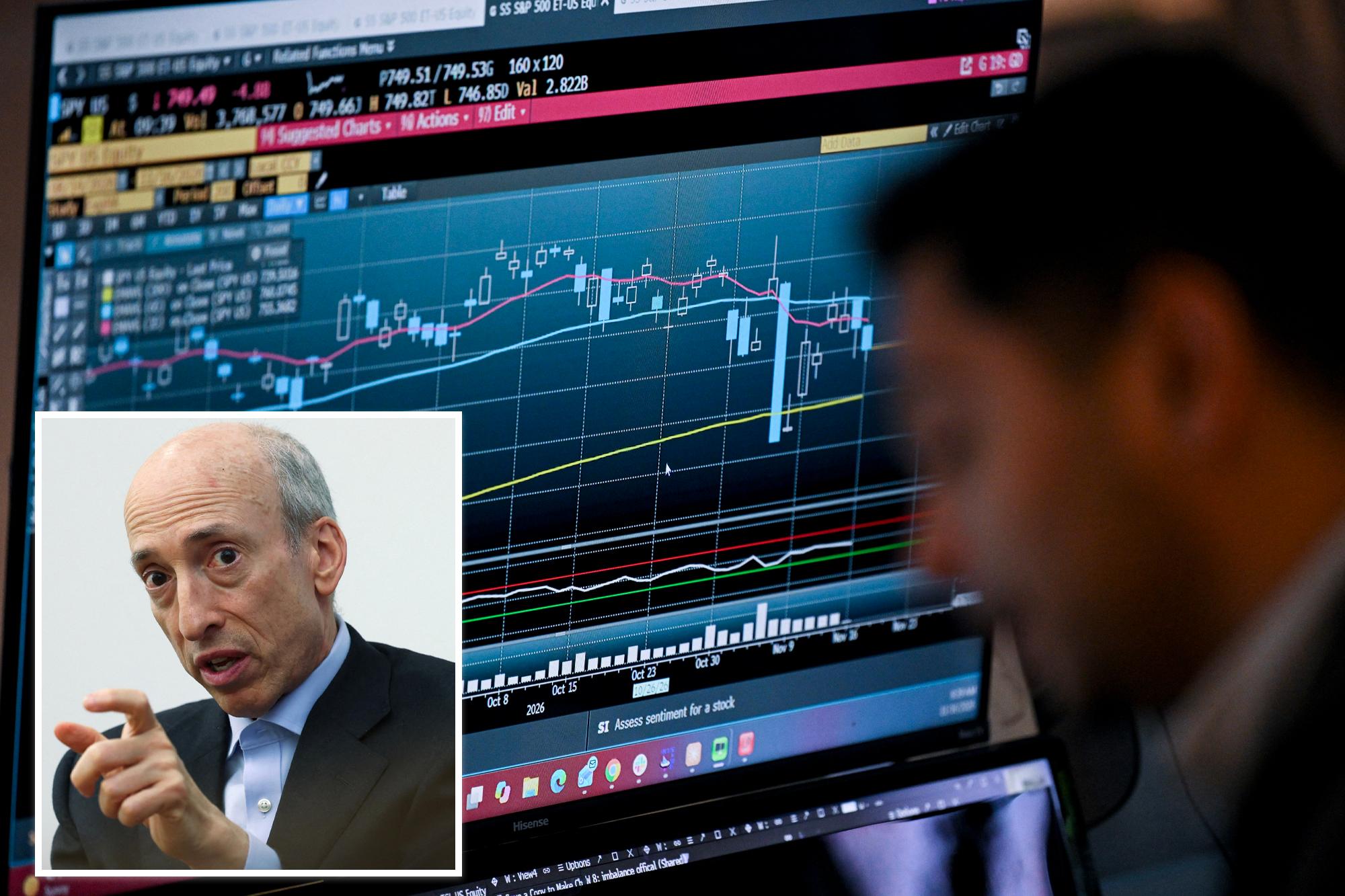
Make New York Post a Preferred Source Ex-SEC Chair Gary Gensler warned that AI investments have created a bubble that will likely burst and trigger a recession by the 2028 presidential election – one of the most dire warnings from a former senior regulator yet.
“It’s already a bubble,” he told CNN in an interview, referencing the billions of dollars being poured into artificial intelligence.
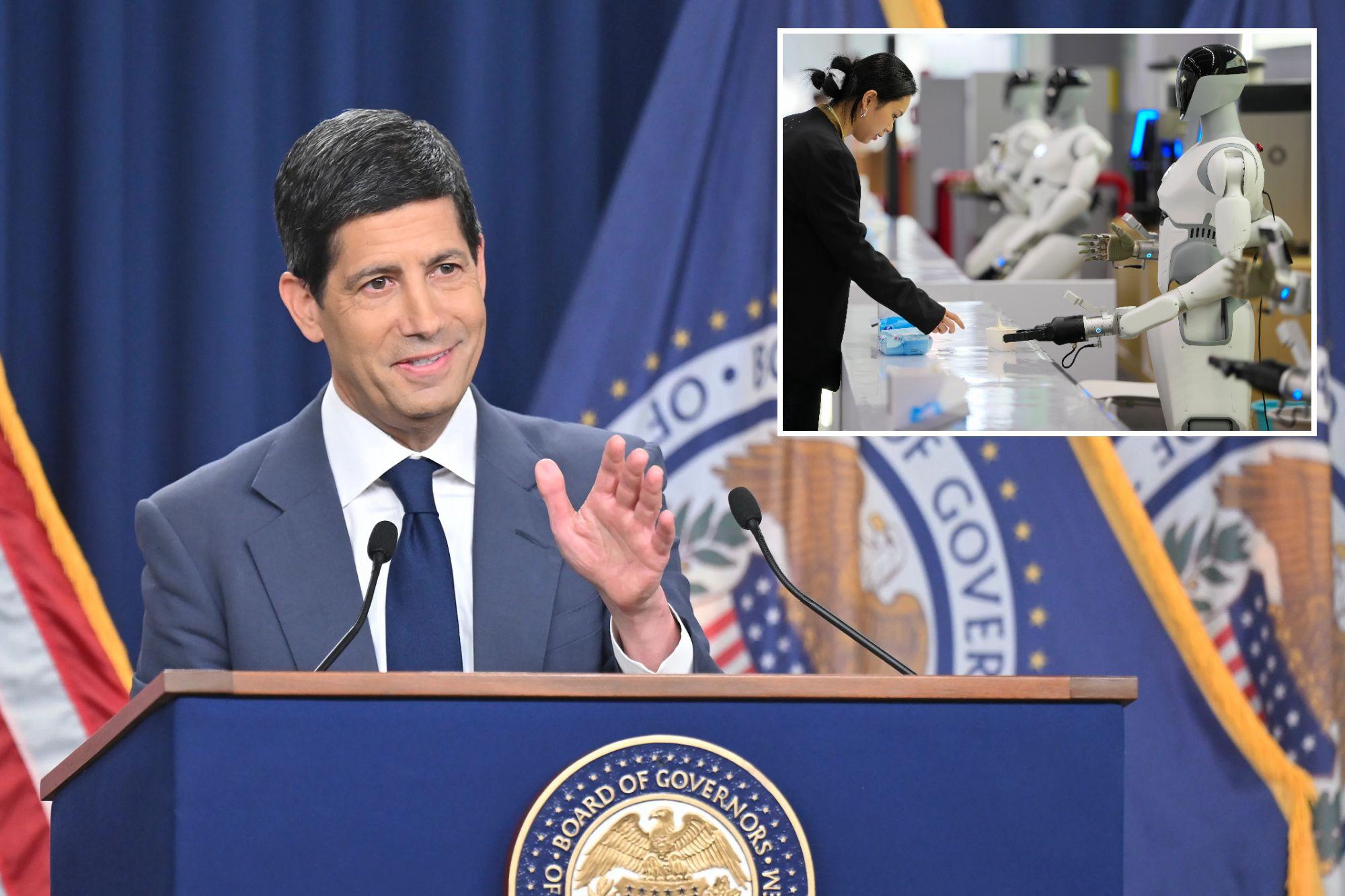
The former top cop on Wall Street – who ran the Securities and Exchange Commission from 2021 until early 2025 under the Biden administration – warned that investors should be wary of the estimated $800 billion being spent on AI infrastructure annually.
“History tells us that when you have a new technology and a significant investment … you come to a point where it plateaus. It retrenches,” Gensler said. “The only question is if it’s a soft recession or something more dramatic.”
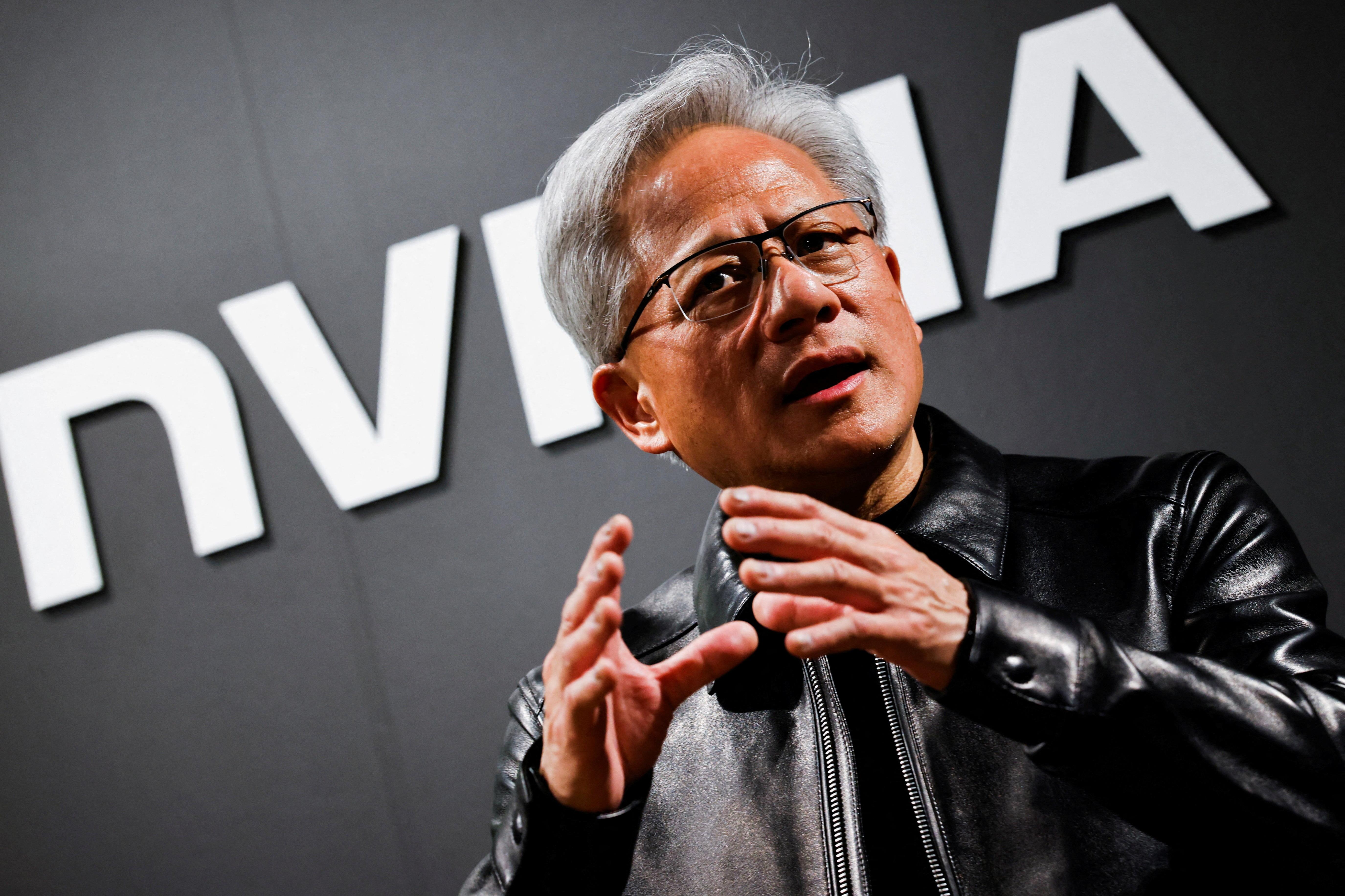
His warning comes as the stock market is reeling from Jensen Huang’s abrupt exit from Nvidia over his affair with an alleged Chinese spy, along with Democrats’ midterm elections sweep. Meanwhile, investors are bracing for Anthropic’s estimated $1.4 trillion IPO this week.
After Dem candidates gained resounding control of Congress, tech firms saw some of their largest-ever market cap losses as investors panicked that lefty pols will halt data-center construction – possibly hitting revenue at top AI labs.
Then Huang resigned last week as CEO of the legendary chipmaker he founded 33 years ago following reports that he was the target of a Chinese spy plot – and that he also had affairs with at least two Nvidia employees. It’s sparked concerns among investors who worry the firm’s dealmaking spree will slow under new leadership.
Gensler is joining a chorus of cautionary voices from billionaire investors like Ray Dalio and Michael Burry to economists like Harvard’s Kenneth Rogoff and tech execs themselves, like OpenAI’s Sam Altman.
Now a professor at MIT, Gensler said today’s AI-driven market is reminiscent of past bubbles, when companies invested heavily in infrastructure – and were disappointed when the blowout profits they had been promising failed to materialize.
“That railroad boom-to-bubble was quite an adventure, and it led to really deep recessions, depressions,” Gensler told CNN. “The 1920s with electricity, the 1990s with the internet.”
Tech firms have been spending billions of dollars to build expensive, power-hungry data centers and amass troves of coveted computing power. Some so-called “neocloud” firms specialize in buying up as much compute as possible and leasing it out to other companies.
They’ve been driven, in part, by a desire to stay ahead of Chinese competition in the global AI race and keep the most advanced chips and technology in the US. But to keep up with insatiable demand for infrastructure, many companies have turned their balance sheets negative and taken out huge amounts of debt.
“The Big Tech companies are spending five times more in 2026 than they were just three years ago,” Gensler said. “It’s just the extraordinary size of it all.”
He argued that much of the money being invested in AI infrastructure is coming from circular and off-balance sheet financing, which makes it more difficult for investors and industry leaders to realize just how risky the current environment is.
“One might question why all the lenders are lending all this money,” Gensler said. “I think history will show that they loaned too much money, too fast. And that’s the nature of these types of booms that become bursted bubbles.”
He added that the major companies will survive the bubble burst, but smaller firms might “see some breakage and bankruptcies.”
Gensler estimated the bubble burst would be “as significant as” the dot-com bubble of the early 2000s but not “as harsh as” the mortgage meltdown that led to the 2008 financial crisis – and will come just before the 2028 presidential election.
Other analysts and industry leaders have remained optimistic, maintaining that data centers will eventually bring massive profits.
Dan Ives, partner and analyst at Yorkville Ives & Co., said in a note Monday morning that even with Huang’s sudden ouster, “Nvidia remains the clear leader in GPU chips for the AI Revolution, well ahead of the nearest competitor, and the demand trajectory over the next few years is not changing.”