Make New York Post a Preferred Source The Commerce Department announced Monday it is cracking down on a loophole that has allowed Chinese firms to skirt export controls on American AI chips.
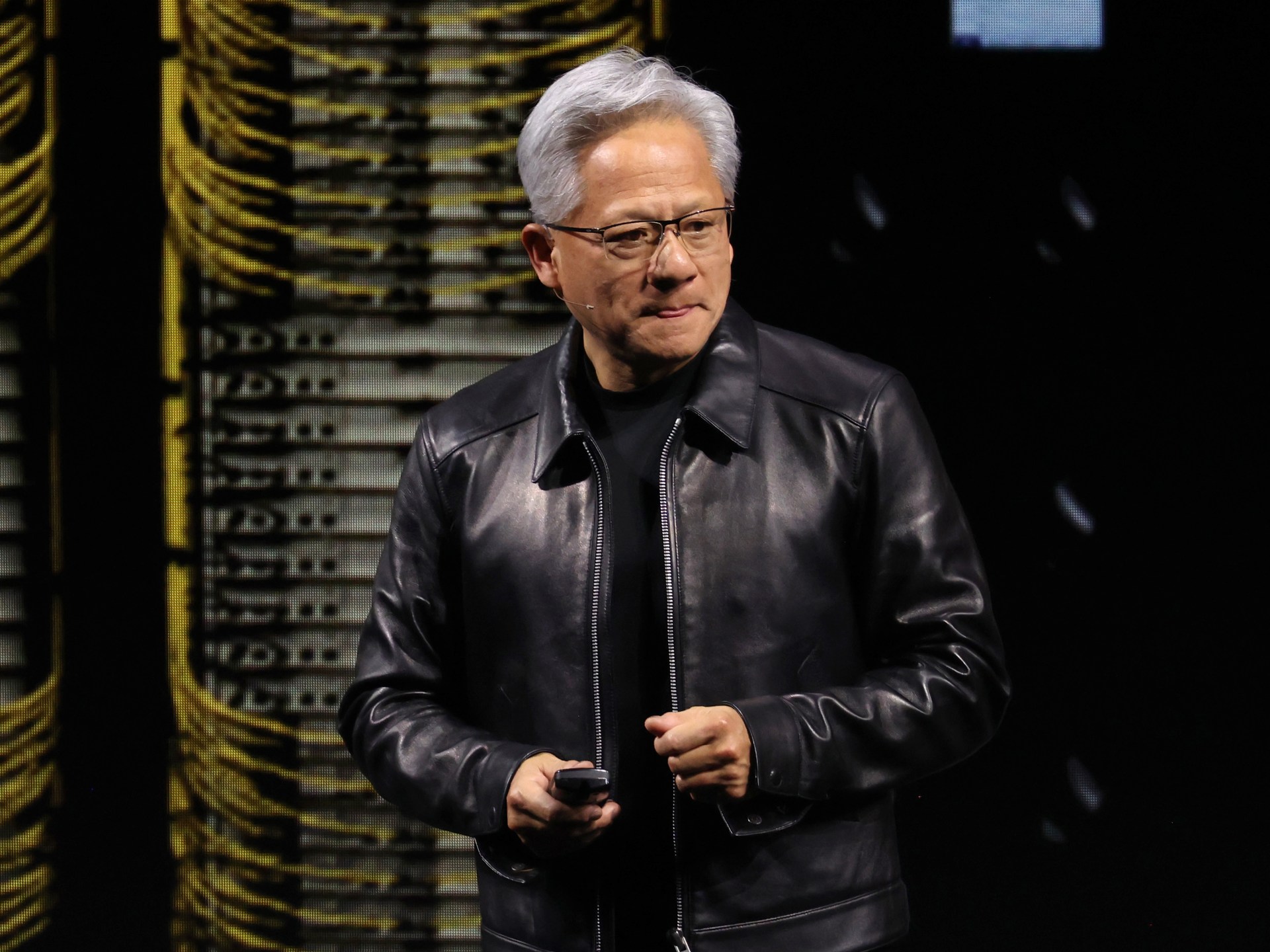
It marks the first government response since Nvidia CEO Jensen Huang resigned from his multitrillion-dollar chipmaker after admitting to an affair with an alleged Chinese spy — and as romances with at least two Nvidia employees surfaced.
The department’s Bureau of Industry and Security issued an interim final rule that seeks to close a loophole that Chinese firms have used to lease Nvidia’s advanced computing power by going through data centers in third countries, according to a Monday press release.
It was “written by and at the direction of the Department of Treasury and the National Security Council,” according to the release.
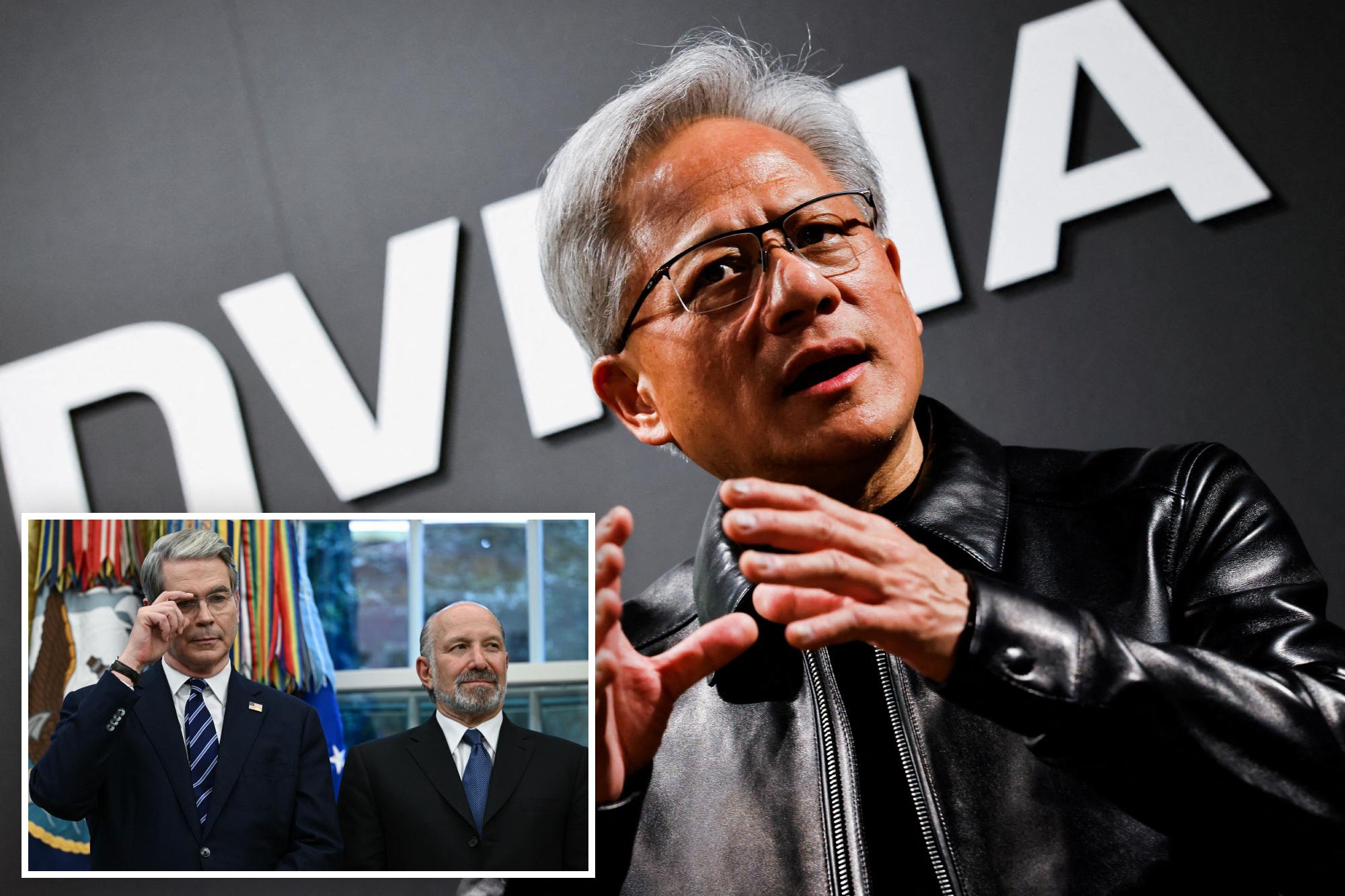
It came after Treasury Secretary Scott Bessent criticized the Commerce Department for not acting sooner against Megaspeed — an Nvidia customer for whom Huang lover Alice Huang, no relation, worked –which has been accused of illegally diverting sensitive AI chips to China.
A license will now “be required to export, reexport, or transfer (in-country) advanced semiconductors to Indonesia, Malaysia, Singapore, Thailand, or Brazil (and any additional country designated by the Secretary of Commerce, in consultation with the Secretary of State or the Assistant to the President for National Security Affairs) – countries which present a higher-than-normal risk of diversion,” according to the new rule.
Secretary of State Marco Rubio warned President Trump about the former Nvidia boss’ romance with Alice Huang last spring, according to reports. Last week, Jensen Huang resigned following bombshell revelations about that relationship and an affair with senior Nvidia exec Kimberly Powell.
Treasury Secretary Scott Bessent on Sunday blamed Commerce Secretary Howard Lutnick’s team for the Chinese spy mess, saying the Treasury, State Department, Defense Department and US Trade Representative had been trying “for months” to blacklist Megaspeed.
In a Sunday letter addressed to Lutnick, Sen. Maria Cantwell of Washington – the top Dem on the Senate commerce committee – urged the commerce secretary to reinforce export controls on the sale of AI chips to China.
Chinese firms like Alibaba and ByteDance have “used overseas data centers equipped with advanced Nvidia chips to train advanced AI models,” she wrote. “These companies are exploiting a loophole in US export controls by using advanced American chips in foreign data centers even when those chips are restricted from the [People’s Republic of China].
“Despite warnings from the Bureau of Industry and Security that certain arrangements may violate existing restrictions, the Department of Commerce failed to close this loophole, allowing PRC companies to advance their AI capabilities using sensitive American technology.”
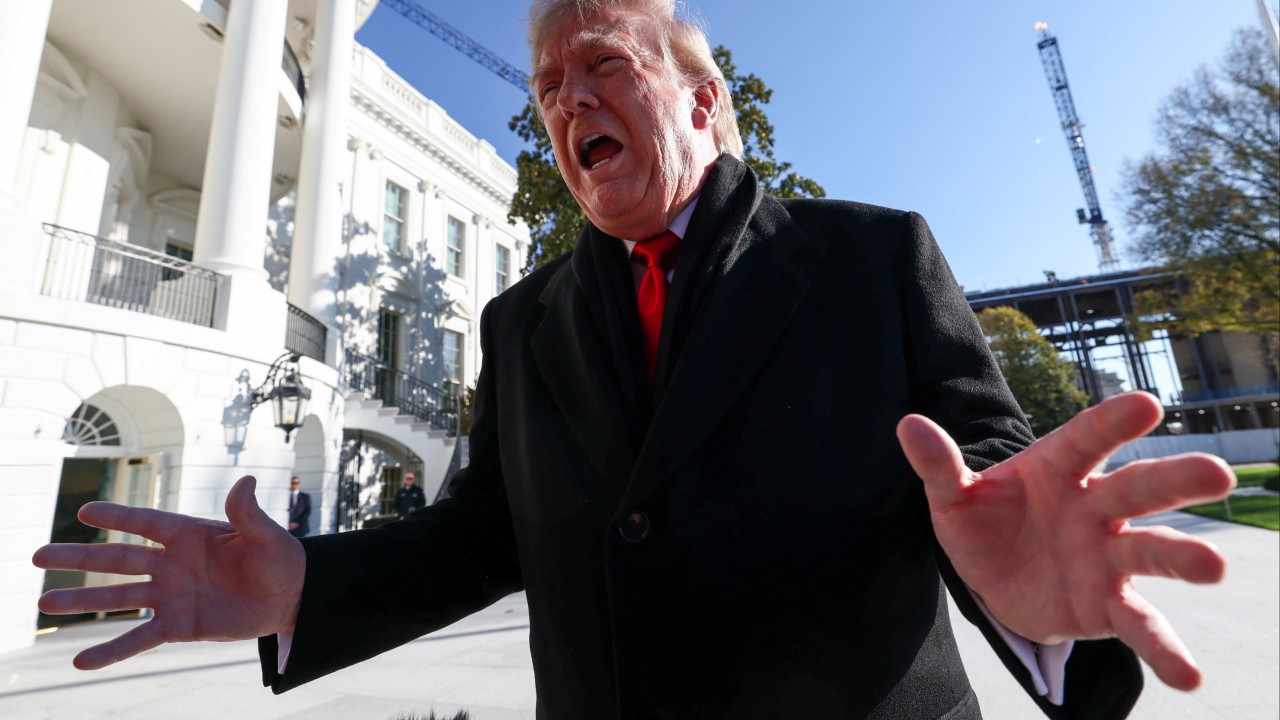
Asked about reports that Rubio had briefed Trump on the alleged Chinese spy plot targeting Huang, the president said Monday, “I haven’t heard that.”
“I don’t know that she [Alice Huang] is a spy,” the commander-in-chief told reporters as he left the White House for a trip to the Philippines and China. “Usually, what happens with that is that any woman coming to the country that’s a beautiful woman that comes from China, they say she’s a spy.”
Trump also said that the national security of the country “was not put at risk” and that he “would not mind” if Huang was reinstated as Nvidia’s CEO.
Nvidia’s Chief Financial Officer Colette Kress has been named as interim CEO, and the chipmaking giant has hired an outside firm to seek a permanent replacement.
With Huang, one of the driving forces of the AI boom, missing in action, investors have been panicking that Nvidia’s dealmaking could slow — a potentially massive monkey wrench for the sector after recent weeks have seen Wall Street get jittery about the tech trade.