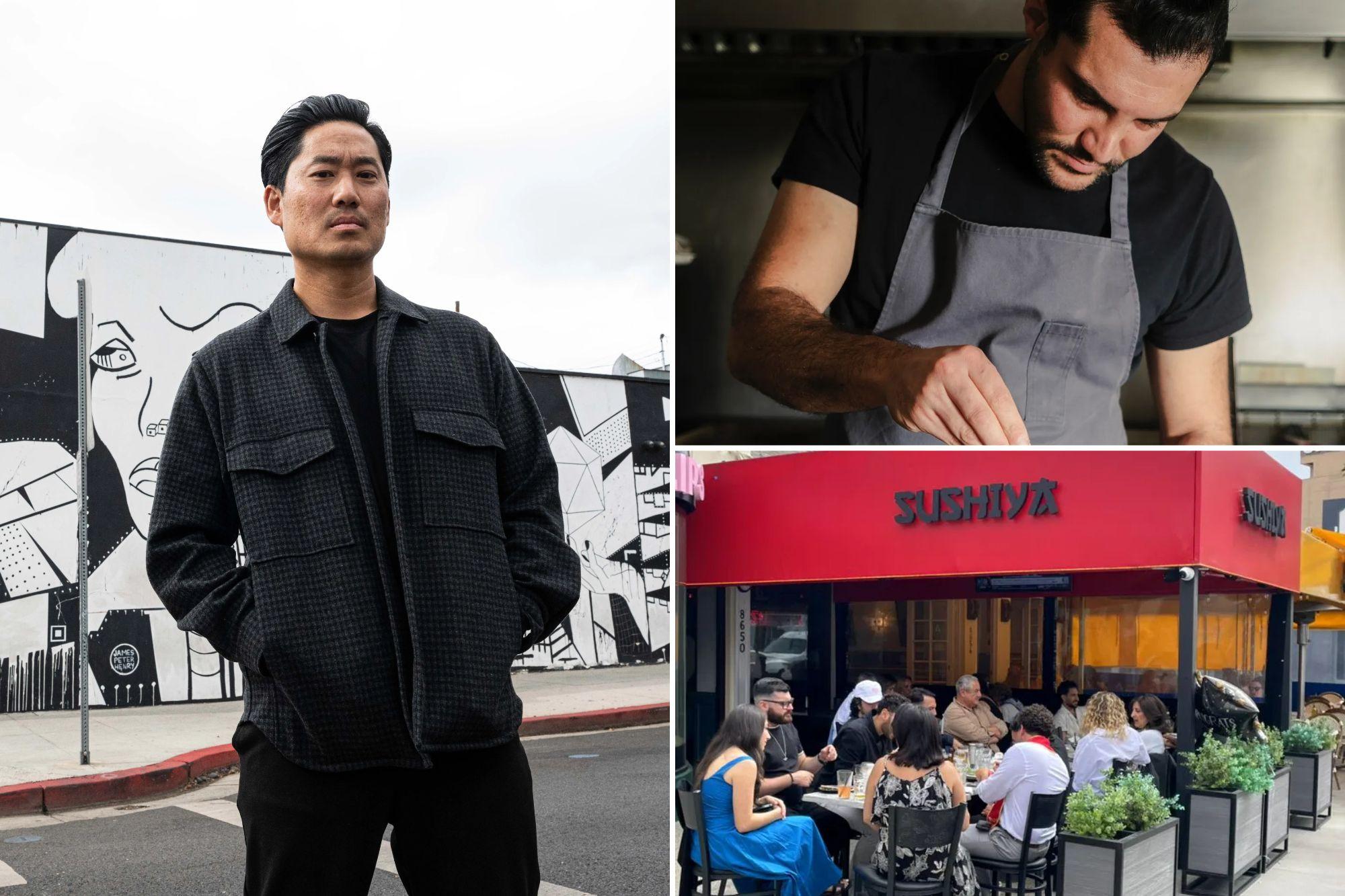
Make California Post a Preferred Source Local haunts and dives in Los Angeles are disappearing at an alarming rate.
The reason? These restaurants can’t keep the government’s hands out of their cash registers.
Everyone in LA laments the loss of their favorite neighborhood restaurant: Week after week, it seems another beloved institution is closing its doors. This sorry news is followed by an outpouring of nostalgia, frustration and questions about what went wrong — not to mention some hyperbolic social media posts about the end of the American economy.
Start your day with all you need to know Morning Report delivers the latest news, videos, photos and more.
We’re often told the usual suspects are to blame. Food and labor costs are rising, dining habits are changing, rents are skyrocketing — not to mention excessive taxes orchestrated from Sacramento.
Though these factors are part of the problem, the reality is far more troubling. Restaurants have become the piggy banks of a political ecosystem that continuously raids them. In other words, the deck is stacked against restaurant owners — and nowhere is the restaurant game harder than in the City of Angels.
While landlords charge rent, government agencies swallow taxes, permits and fees. For every transaction, delivery platforms and payment processors take another cut. Then there’s insurance, utilities and countless other vendors, who all want a piece.
Today, even food suppliers add fuel fees and “delivery charges” atop their existing price increases. Everyone has found a way to seize revenue from the restaurant. All the while, the person who assumed all the risk — invested the capital, signed the lease, hired staff — is often left with a profit margin of just a couple percentage points.
The restaurant industry has a thousand-cuts problem, and we’re watching neighborhood restaurants across Los Angeles bleed to death because of it.
Take a personal example: As a restaurateur myself, I often see this misconception in my family home. Sometimes, after a busy weekend at my restaurant, my kids will see me gathering the cash receipts to make a deposit at the bank. Their eyes light up; they think “we’re rich.”
It’s a teachable moment. I have to explain to them that just because we’re depositing a pile of cash doesn’t mean we made any money. In fact, though we could have had a busy weekend and brought in thousands of dollars, we might still be losing money after payroll, supplies, rent, utilities, insurance and everything else is tabulated.
The bean counters in the halls of power seem to make the same mistake my kids make. Gross revenues do not equal profits.
The reality is launching a restaurant in LA means jumping through an obstacle course of permits, inspections and fees — and that’s before preparing a meal for a single customer. And with every delay, costs like rent and insurance continue to accrue.
Then you open, and the hole in your bank account opens like a whirlpool. Payroll taxes, workers’ compensation, utilities and credit card fees slurp up revenue. At the same time, restaurants collect sales taxes that pass through their registers and card readers. All that money changing hands is a magic trick — the illusion of profitability.
The agencies and vendors salivate over their little slices of the pie, but nobody seems concerned that after the pie is cut up, there are just a few crumbs on the pie tin.
I’ve bemoaned the high costs restaurants face. But why are local restaurants important? Unlike a standard retail business, neighborhood restaurants are gathering places for the local community. They also keep California farmers, fishermen and local suppliers afloat.
When one closes, jobs disappear, suppliers lose business and neighborhoods lose key aspects of their identity.
Before long, those boarded-up storefronts are sheltering a few vagrants and their vestibules smell like urine. Then another restaurant nearby closes and a community of drifters colonizes the next vacant space.
LA City Hall has done right to realize the problem. In October, the outgoing mayor, Karen Bass, pushed through a directive to streamline restaurant permitting. Though a welcome step, making restaurants easier to open won’t help them stay in business once they’ve gotten started.
We also have to stop treating gross sales as a measure of how much a business can be raided.
I’m not questioning that food safety, fair wages or regulations — where reasonable — are important, but lawmakers must take into account the combined cost of these worthy goals.
The next time a beloved LA restaurant closes, we’ll see the familiar tributes: Memories of date nights, family dinners and favorite meals, and lines around the block as loyal customers make one last pilgrimage.
But maybe we should be asking how many people were making money off that restaurant right up until the day it cleaned up its kitchen and locked its doors.
Until that changes, the mourning in LA will continue.
Andrew Gruel is a chef, television host and member of the Huntington Beach City Council.
California Post News: Facebook, Instagram, TikTok, X, YouTube, WhatsApp, LinkedInCalifornia Post Sports Facebook, Instagram, TikTok, YouTube, XCalifornia Post Opinion California Post Newsletters: Sign up here!California Post App: Download here!Home delivery: Sign up here!Page Six Hollywood: Sign up here!