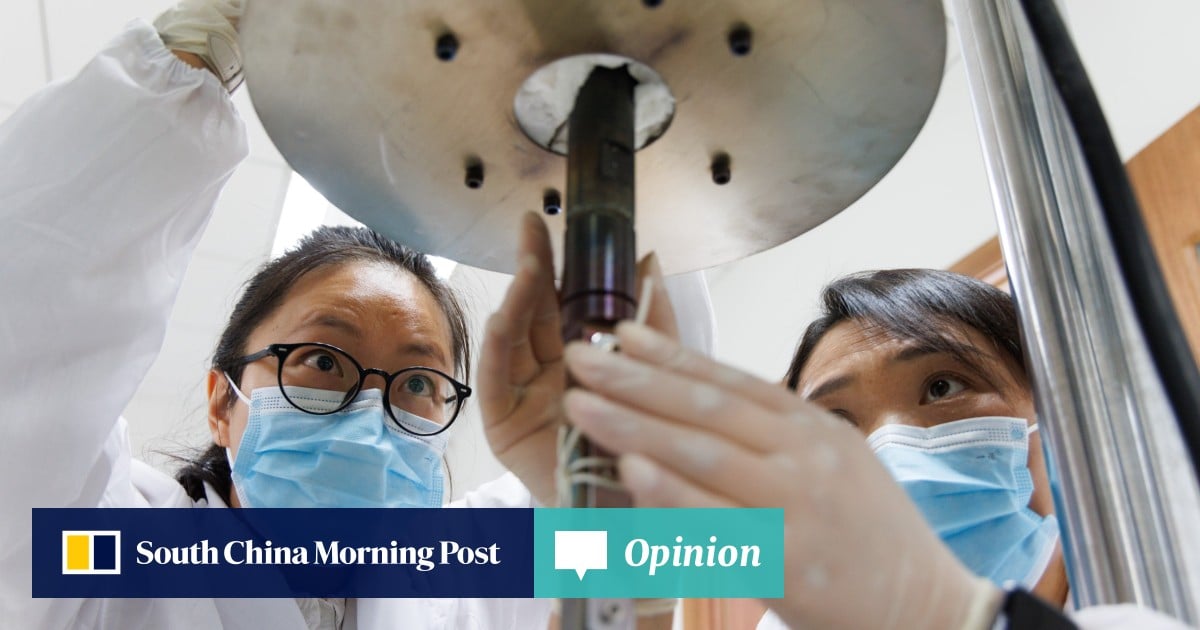
Amid the pressure to ‘publish or perish’ and the cutthroat competition of academia, junior researchers are finding novel ways to express their discontent
3-MIN READ3-MIN ListenAlex LoAlex Lo has been an SCMP columnist since 2012, covering major issues affecting Hong Kong and the rest of China. Published: 8:30pm, 29 May 2026I did not pay much attention during maths and science classes in school. I could never get into the mindset for STEM study, but I can see there is comfort in the fact that the ratio of a circle’s circumference to its diameter will always be pi, or that the quadratic formula will always produce the right answer when applied correctly. I envied my many STEM friends for their skills, their fields of certainty and practicality.But behind the curtain, beneath the veneer of any parent’s envy, their fields had their own problems. Some of those do not paint an especially pleasant picture, especially in China.The exciting eureka moments that are so often romanticised exist as rare islands in a vast sea of drudgery and boredom, a buzzing fluorescent light above your head and a droning brightness shining on your repeated failures. That is, if the world would allow them. These researchers perform their research only because they are useful to someone else.
08:53Hong Kong graduates face gloomiest job outlook in 5 yearsIn a recent commentary published on the website of the journal Nature, You Xiaoying tells of the phenomenon of junior researchers in Chinese academia establishing satirical journals as a way to vent their frustrations. These journals are given names that are a spin on those of top-tier academic journals such as Science and Nature. For example, there is Call, a take on the prestigious journal Cell.