Make New York Post a Preferred Source NYC’s red-light district is back.
A giant electronic billboard above Atlantic Terminal is making life a blinding hell for residents in and around one of Brooklyn’s most famous addresses.
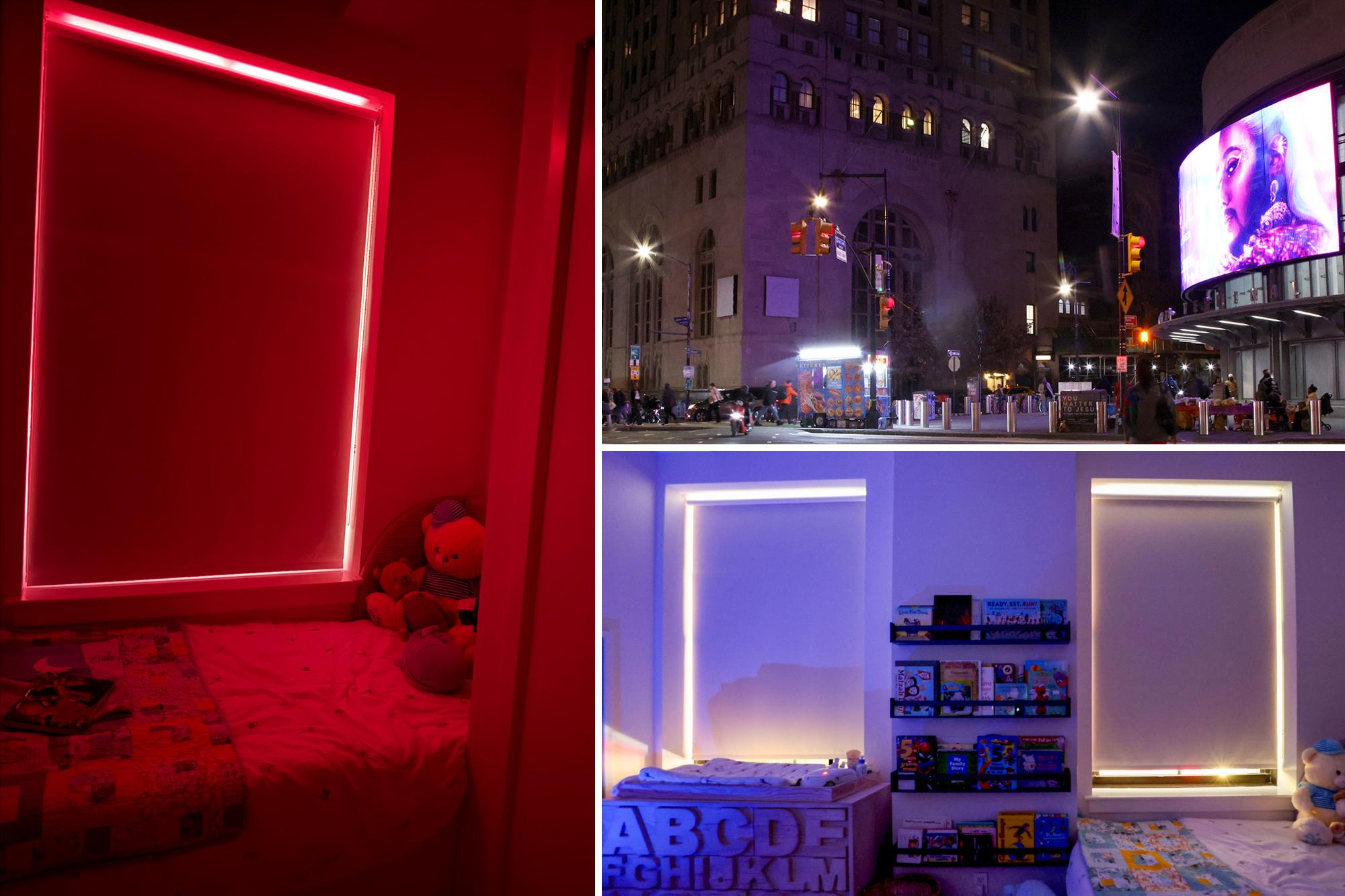
Since the billboard went up Oct. 28 across from the Williamsburgh Savings Bank Tower, residents of the iconic high-rise told The Post they’ve been besieged by an unrelenting, flashing glare that is ruining their sleep — and sinking their property values.
“We paid over $2 million for our apartment; we’re a young family just starting out,” said Ariana, who moved into a four-bedroom apartment in the building with her hubby Sam and their two young children in 2024. “They turned our neighborhood into Times Square. I could never sell my place.”
The 41-story Art Deco landmark opened in 1929 with a clocktower that could be seen by most of Brooklyn. It was converted into luxury condos in 2009, has been featured in Hollywood hits such as “Spider-Man: Across the Spider-Verse” and “John Wick 3: Parabellum.”
Now, residents’ senses are assaulted 24/7 by the 20-by-60 billboard.
“It makes our apartment look like a brothel, it’s like a disco or a rave, it makes me nauseous,” the furious mom said.
And life for her kids has turned into a nightmare.
“My kids are losing sleep. They’re groggy during the day,” she said.
The parents were forced to buy blackout shades — but they can’t keep out the relentless brightness.
“I had to buy stronger blackout shades that were quoted at $6,000,” said Sam, who filed seven of the 21 complaints logged with 311 about the billboard since it powered up.
The city took no action on any of the gripes, records show.
Clear Channel Outdoor operates the billboard as part of a licensing agreement with the MTA, which owns the Atlantic Terminal transit hub underneath the mall, and boasts that the structure is the “only large-format digital billboard in Downtown Brooklyn.”
The billboard is located across the street from the Barclays Center on Atlantic Avenue.
As part of the deal, Clear Channel, which does not publicly release billboard dimensions, pays the MTA at least $26 million annually to operate the ad space.
“If the MTA wants to make money, they should crack down on fare evasion instead of trying to make a dime off of the misery of New Yorkers,” a source close to the agency said.
The billboard floods the neighborhood with “D-list” advertisements, showcasing movies, TV shows and assorted products, said Eleanor Amari, who lives in another nearby building.
“It’s like someone installed a giant television outside our windows, playing a nonstop loop of D-level commercials,” said Amari, 38. “I’ve been waking up at 2 a.m. since the billboard opened, and when I do it’s so bright I think it’s 7 a.m.”
Aaron, a 55-year-old retired teacher in the same building, said the never-ending lights have turned him into an insomniac.
“I stay up for two days and then I just pass out on the couch,” he said.
The MTA operates billboards in 319 locations across the state according to a 2024 MTA Finance Committee report. Clear Channel handles advertising sales on the billboards as part of a 15-year contract signed in 2024.
The MTA referred The Post to Clear Channel, which did not respond to requests for comment.