Video Chinese smart cars raise national security concerns amid US manufacturing push Fox News chief national security correspondent Jennifer Griffin reports on Norway's confirmation that Chinese-owned rental cars recorded military data on 'Fox Report.'
Your car probably knows more about you than you realize. It can track where you drive, how fast you go and whether something under the hood needs attention. Depending on the vehicle, that information may also travel back to the manufacturer. And chances are, you haven't spent much time thinking about who gets to see it.
Now, Ford wants to put those privacy concerns in the spotlight. On Nov. 2, the automaker announced a new Ford privacy promise designed to give drivers more transparency and control over their personal information. The company also says it won't sell data about how customers drive to insurance companies or data brokers.
That sounds encouraging. But there's a catch worth understanding. Turning off certain data-sharing settings could also mean losing some of the connected features you've come to rely on. So how much privacy can you get without giving up the technology you paid for?
Missed CyberGuy LIVE? Watch the replay and discover 5 ways to travel smarter and save money.
Our free CyberGuy LIVE class, 5 Ways to Travel Smarter and Save Money, has ended, but you can still watch the full replay. Kurt "CyberGuy" Knutsson walks you through five practical ways to protect your phone and personal information, avoid common travel scams, find better deals, save money on bookings and use technology to make your travels easier and less stressful. No technical experience is needed.
Watch the free replay + downloadable checklist now at CyberGuyLive.com.
LICENSE PLATE CAMERAS ARE TRACKING DRIVERS EVERYWHERE
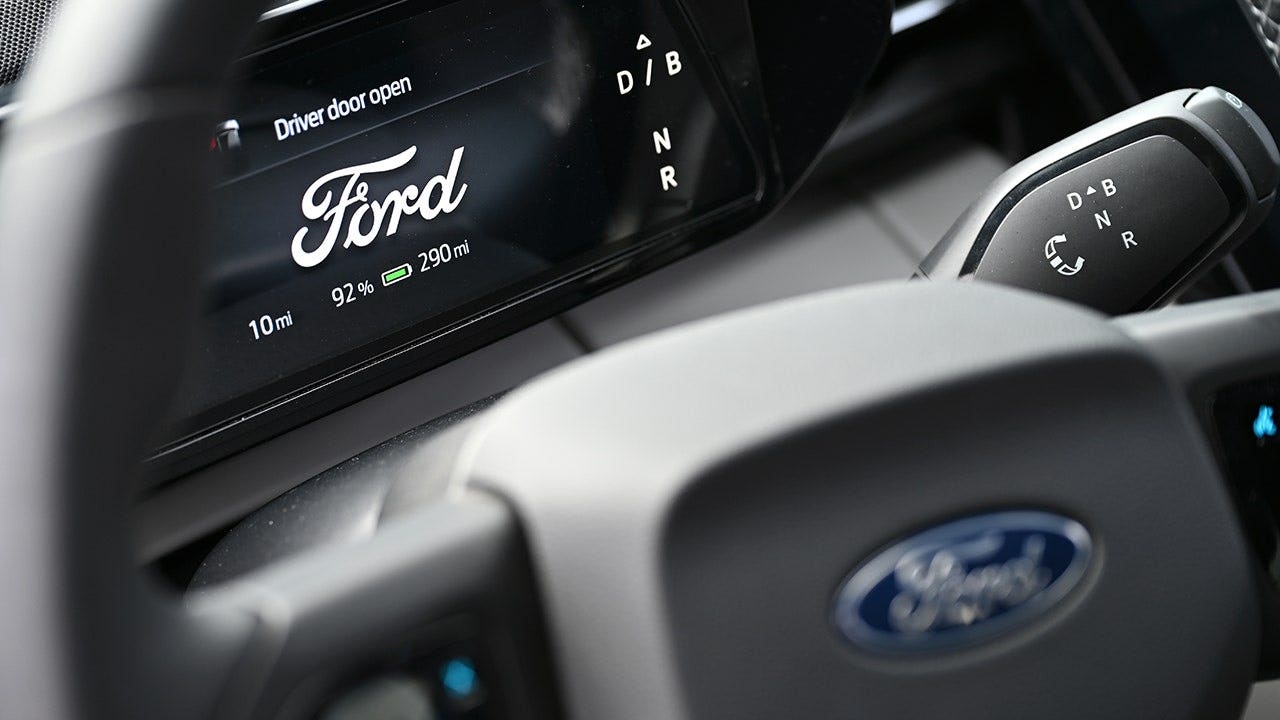
Ford's new privacy promise gives drivers more information about how their vehicles collect and share personal data, but disabling certain settings could limit connected features. (Photo by Marcin Golba/NurPhoto via Getty Images)
Ford says its new privacy initiative will make it easier for drivers to understand what information their vehicles collect and how the company uses it. The automaker has also launched a dedicated data and privacy website where owners can learn about their options. The announcement centers on several commitments. Ford says it designs its products with privacy in mind and wants customers to have clearer information about their choices. It also promises to respect the privacy settings drivers select. Perhaps the biggest commitment involves what happens to driving information. Ford specifically says it does not sell data about how customers drive to insurance companies or data brokers.
However, that promise does not mean Ford stops collecting connected vehicle data altogether. The company still uses information from equipped vehicles to operate services and improve its technology. Ford's chief privacy officer, Kristin Jones, explained to TechCrunch that the company wants to build greater trust by helping customers understand its data practices. The effort comes as Ford prepares to introduce more connected vehicles, including models built on its upcoming universal electric vehicle platform. Importantly, many of Ford's privacy controls already existed. The new initiative focuses on making those controls easier to understand and find.
Modern Ford vehicles can generate a surprising amount of information. Exactly what gets collected depends on your model, its connected features and the privacy settings you select.
For example, Ford says equipped connected vehicles may share information about:
There are practical benefits to some of this sharing. Vehicle diagnostics can help identify maintenance problems earlier. Location information can support roadside assistance or help you find your parked car. Ford also says it may use connected vehicle data to improve future technologies. With your consent, certain information can support personalization and relevant offers. Still, your driving habits can reveal personal details about your daily routine. That's why understanding which settings are enabled deserves your attention.
Ford's announcement follows increased scrutiny of how automakers handle customer information. On Oct. 29, a coalition of 36 attorneys general announced a $220 million settlement with General Motors over allegations involving drivers' personal information. The states alleged that GM collected and sold driving behavior and location data to third parties, including data brokers that supplied information to insurance companies.
According to the state attorneys general, some insurers used that information when calculating insurance rates. The settlement requires GM to obtain affirmative, express consent before collecting or disclosing covered driving and location data. GM previously discontinued its Smart Driver program. The case shows why vehicle privacy has become such a sensitive issue. Drivers may agree to connected features without fully understanding how much information those systems collect.
We've explored similar concerns in our CyberGuy article, Is it worth saving money to let a car insurance company track your every move? Insurance monitoring programs can offer savings, but drivers should understand what information they are agreeing to share. Against that backdrop, Ford's public commitment could help set expectations for how automakers handle sensitive driving information.
Ford says customers can turn off connected vehicle data sharing. However, doing so may affect some of the features that make newer vehicles convenient. Depending on your Ford model, equipment and which settings you disable, you could lose access to:
The exact impact depends on which settings you disable and the technology installed in your vehicle. Turning off all vehicle connectivity can affect more features than changing individual data-sharing preferences. Some features can continue working even when connected vehicle data sharing is disabled. Ford says features such as Apple CarPlay and Android Auto compatibility can continue working without sharing connected vehicle data with Ford. Local Bluetooth connections and regular radio playback can also remain available.
Of course, availability depends on your vehicle's equipment and software. Before turning anything off, check which services your particular Ford needs. Disabling one optional sharing preference does not automatically disable every connected feature. And remember, Apple CarPlay and Android Auto use smartphone technology. Your phone and its apps may have their own data collection settings that you'll want to review separately.
Ford gives owners several ways to review their data-sharing preferences. You can manage vehicle connectivity through the car's touchscreen. The Ford app and your online Ford account provide additional controls for certain uses of your information.
Start with the vehicle parked safely. Ford recommends that owners of vehicles built in 2018 or later review their connected vehicle settings.
Menu names and available controls vary by Ford model and infotainment system. If you want to stop sharing connected vehicle data with Ford, the company says to find Vehicle Connectivity in your vehicle's settings and turn it off. However, this broader change can limit connected services and other features. Ford provides additional guidance through its official privacy settings page.
GM WANTS DRIVERS TO TAKE THEIR EYES OFF THE ROAD BY 2028
Ford says it does not sell customers' driving behavior data to insurance companies or data brokers as it introduces a new vehicle privacy initiative. (Photo by John Keeble/Getty Images)
You can also adjust certain information-sharing preferences through the Ford app on your smartphone.
Ford also provides controls related to Google Maps in the app and certain preferred dealer notifications. Keep in mind that the app's personalization and marketing controls are separate from the vehicle's main connectivity controls. Changing one does not necessarily change the other. If you own more than one Ford, review each vehicle's settings separately.
If you're selling or trading in your Ford, perform a factory reset to remove stored personal information from the vehicle. Ford says this can erase saved addresses, connected accounts and programmed garage door opener codes. You should also make sure the vehicle is disconnected from your Ford account. Depending on its connectivity equipment, you may need to remove the vehicle's VIN from your account as well. Simply deleting the Ford app will not stop vehicle data sharing. However, that reset will not erase data the company already received. Any request to delete that information must be handled separately.
There's an important point worth keeping in mind. Ford's commitment about selling driving behavior data to brokers and insurers is specific. It does not prohibit every form of data collection or disclosure. Ford's privacy notice describes circumstances in which information may be shared with service providers or other parties. It also addresses disclosures made in response to valid legal requests. Meanwhile, Ford offers personalization and marketing settings that deserve a separate review. And even though Ford says it doesn't sell driving behavior data to insurance companies, that doesn't mean an insurer can't collect information about how you drive through a separate smartphone app or a voluntary insurance monitoring program.
There are also exceptions to Ford's privacy controls. The company says it may collect vehicle location data in certain circumstances even when location sharing is turned off. These can include legal requirements, emergencies and protection of property. Vehicles equipped with the Ford Security Package may also share location information when a Theft Alert is triggered.
So even with Ford's new promise, I would still encourage drivers to examine their individual settings. A company can make a meaningful privacy commitment while continuing to collect information needed for its services. And if you're shopping for a new vehicle, consider privacy before making the purchase.
If you own a newer Ford, this announcement gives you a good reason to check your privacy settings. You may discover that your vehicle shares more information than you expected. You might also find settings you can disable without affecting the features you enjoy. However, you should understand the tradeoff before switching off all connectivity. Losing remote access or other useful services could be inconvenient, especially if you rely on them regularly.
The same advice applies if you drive another brand. Take a few minutes to find your manufacturer's privacy settings and learn what information your vehicle shares. You can explore the broader privacy concerns in our article, What your car knows about you and could be telling the world. Ultimately, knowing what your car collects gives you a better chance of controlling your personal information.
DATA BROKERS DON'T JUST COLLECT FACTS. THEY GUESS ABOUT YOU
Ford owners can adjust vehicle data-sharing settings to protect their privacy, though turning off connectivity may affect remote start, navigation and other features. (Photo by Matthias Balk/picture alliance via Getty Images)
I like seeing Ford make a public commitment about protecting driving data. Especially after what we've learned about how vehicle information can end up in the hands of insurance companies. But here's what I keep coming back to. When you spend tens of thousands of dollars on a vehicle, how much of your personal information should you have to share to enjoy the features you already paid for? I understand why Ford needs certain data to make connected technology work. Real-time traffic updates can be useful. So can getting an alert before a mechanical problem leaves you stranded. But I also think automakers need to make privacy choices much easier to understand. Drivers shouldn't have to dig through complicated menus to figure out what's happening with their information. Ford's promise is encouraging, and I hope other manufacturers pay attention. The real test will be how well these commitments hold up as vehicles become even more connected.
Would you sacrifice features like remote start or live navigation to keep your driving data private, or should automakers be required to offer those conveniences without collecting so much personal information? Let us know by writing to us at Cyberguy.com
CLICK HERE TO DOWNLOAD THE FOX NEWS APP
Kurt "CyberGuy" Knutsson is an award-winning tech journalist who has a deep love of technology, gear and gadgets that make life better with his contributions for Fox News & FOX Business beginning mornings on "FOX & Friends." Got a tech question? Get Kurt’s free CyberGuy Newsletter, share your voice, a story idea or comment at CyberGuy.com.