‘65% of the S&P Is Basically AI’: Eisman’s Warning as Ramsey Tells Disabled Veteran His $500,000 Is ‘Safe’ Jake FitzGerald Sat, November 14, 2026 at 4:04 AM EST 6 min read ^GSPC -0.40% NVDA -3.12% SPY -0.99% VFFSX -0.39% Explore stocks on Coinbase Trading disclosure Trading disclosure The above button links to Coinbase. Yahoo Finance is not a broker-dealer or investment adviser and does not offer securities or cryptocurrencies for sale or facilitate trading. Coinbase pays us for certain activity generated through this link. Prices displayed are informational.
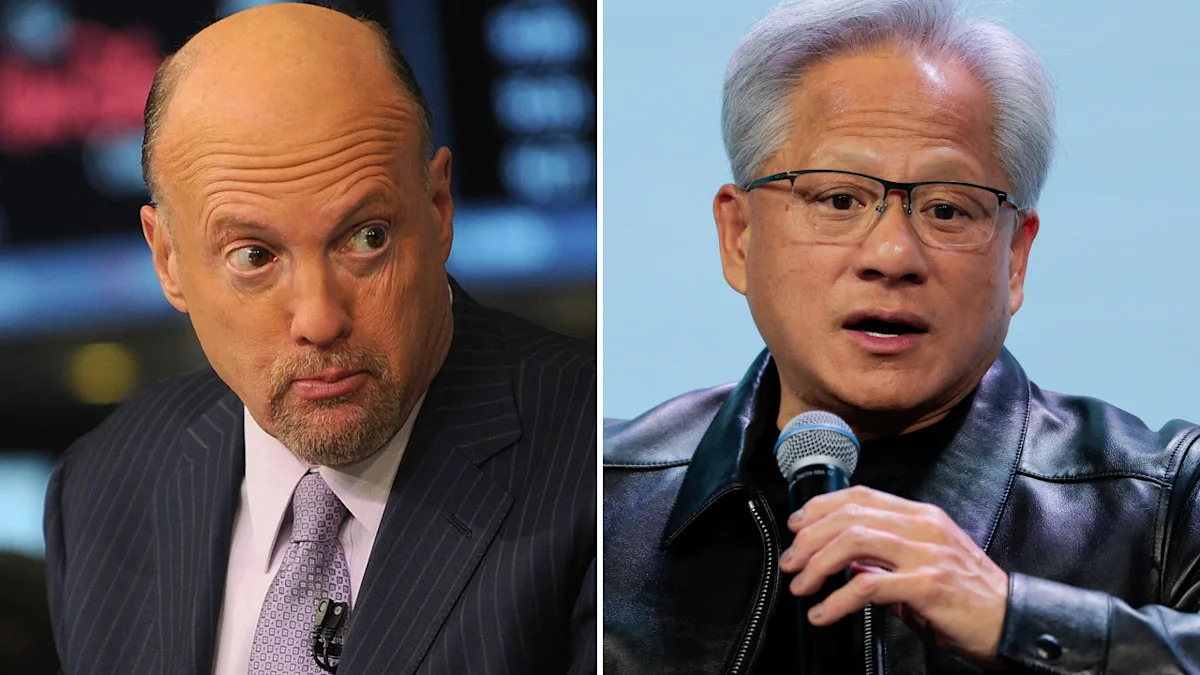
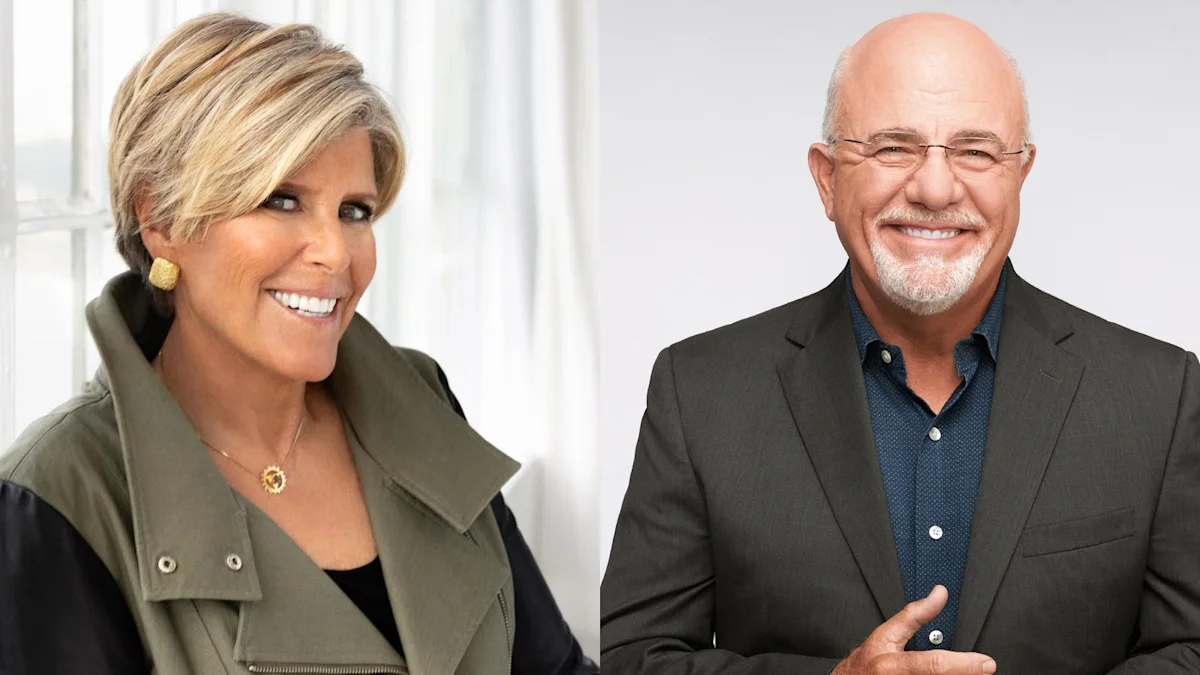
Dave Ramsey called a disabled veteran's $500,000 S&P 500 stake conservative, but Steve Eisman says 65% of the index is effectively AI.
A 40% crash would cut Jamal's $500,000 to $300,000, but it only hurts if he must sell and lock in losses.
Eisman recommends short-term Treasuries for protected money, and Jamal's $100,000 money market can buffer withdrawals without AI exposure.
Americans who work with a financial advisor have saved more than twice as much for retirement, on average. Find out what one could change for you: SmartAsset's free quiz matches you with up to three vetted fiduciary advisors in about five minutes. (Sponsor)
Jamal is 41, a 100% disabled veteran from New Orleans. He put $500,000 of a roughly $1 million oil field injury settlement into the S&P 500.
On Thursday's Ramsey Show, Dave Ramsey advised him "you were very conservative and very smart to get started." He projected the money would double about every six or seven years and reach $8 million at 69.
Three days earlier, Steve Eisman, the investor made famous by The Big Short, described the same index very differently: "65% of the S&P is basically AI. So you own an index, it's basically AI." Investors who think the index protects them, he said, "are not okay" if something bad happens.
For Jamal, the stakes are concrete. If the AI trade breaks, the position Ramsey called conservative is the one that falls.
The conclusion: the advice works for this caller, but "conservative" is the wrong word. An S&P 500 fund is a reasonable long-term holding for a debt-free man with lifetime government income. It is also a pure stock position with a heavy tilt toward one theme.
The numbers behind Ramsey's projection work on paper. Turning $500,000 into $8 million over 28 years requires about 10% a year, roughly the index's long-run pace.
His live number was right too. The SPDR S&P 500 ETF Trust (NYSEARCA:SPY) was up 13% year to date, against his 12.5% on-air figure.
Can You Answer These Three Questions?
Americans say they need $1.46 million to retire comfortably. Whether that number fits your life depends on three questions most people never work through:
1. How much can you withdraw each year without running out?
3. How much will taxes take from your 401(k) or IRA?
A fiduciary advisor can answer all three using your real numbers. SmartAsset's free quiz matches you with up to three who serve your area.
Diversification is where the word "conservative" falls apart. The Vanguard 500 Index Fund ETF (NYSEARCA:VOO) held 38% of net assets in information technology at midyear. Eisman's 65% adds the utilities supplying data centers, the industrials building them and the banks financing them. In his view, only staples and healthcare, "which add up to only 14% of the S&P," sit outside the trade.
Apply that to Jamal's interest. Roughly $325,000 of his index money rides on continued AI spending.
NVIDIA (NASDAQ:NVDA) shows how that feels in practice. Its market value stands near $4.53 trillion, and the stock fell 22% over the past month. That came during what Fortune called tech's biggest selloff in years. Every S&P 500 owner took in part of that drop, whether they knew it or not.
The variable that matters is whether the portfolio ever has to pay the bills during a downturn. Take an hypothetical 40% decline. Jamal's $500,000 becomes $300,000.
Getting back to even then takes a 67% gain, or about 5.4 years at 10% a year.
Scenario one: he never sells. Ramsey's projection assumes Jamal lives on his VA disability and leaves the money alone. In that case the 40% loss exists only on paper. He keeps every share, and they all recover together.
Scenario two: he takes $30,000 a year (an example figure). Before the crash, that is a 6% withdrawal rate. After it, the same check uses up 10% of the portfolio. Shares sold near the bottom never come back for the recovery. This is sequence-of-returns risk: two investors with the same average return can end up far apart depending on when the bad years arrive.
Jamal's $100,000 money market is his shock buffer. At the current one-year Treasury yield of 4.3%, that much cash makes about $4,280 a year without any AI exposure. Eisman's own advice for money he wants protected: "I would just buy short-term Treasuries. The yield is decent and they are safe."
Ramsey's framing makes more sense once you hear his own setup. In the same episode, he mentioned having no bonds and no gold, only paid-for real estate and growth stock mutual funds. For him, stocks are the default and everything else needs a reason.
Measure your cash runway. Add up the yearly expenses your guaranteed income does not cover. Then divide your cash and Treasury holdings by that number. If the answer is under three years, a long bear market could force you to sell stocks at a loss.
Check your fund's real AI share. Pull your index fund's latest shareholder report. Add up the technology, communication services and utilities weights and compare the total to Eisman's 65%. That number is your actual exposure to one theme.
Run the 40% test. Multiply your stock balance by 0.6. A number that would push you to sell is a signal to review whether your cash and short-term Treasury holdings would cover your withdrawals until a recovery.
An S&P 500 fund is safe only for money you will never need to sell during a crash.
The title "financial advisor" isn't legally protected, and plenty of people who use it are paid on commission for the products they sell. A fiduciary is different: they are legally obligated to act in your best interest.
SmartAsset's free matching tool only connects you with fiduciary advisors who are registered with the SEC or a state regulator and serve your area. Fees still vary from advisor to advisor, which is why you're matched with up to three to compare, and you're under no obligation to hire any of them.
Free: Find a fiduciary advisor who serves your area.
Contact editorial@247wallst.com for any questions or corrections.