S&P 500, Nasdaq end lower as Nvidia uncertainty weighs on tech shares By Chuck Mikolajczak and Niket Nishant Fri, November 13, 2026 at 4:00 PM EST 3 min read NVDA ARM Explore stocks on Coinbase Trading disclosure Trading disclosure The above button links to Coinbase. Yahoo Finance is not a broker-dealer or investment adviser and does not offer securities or cryptocurrencies for sale or facilitate trading. Coinbase pays us for certain activity generated through this link. Prices displayed are informational.
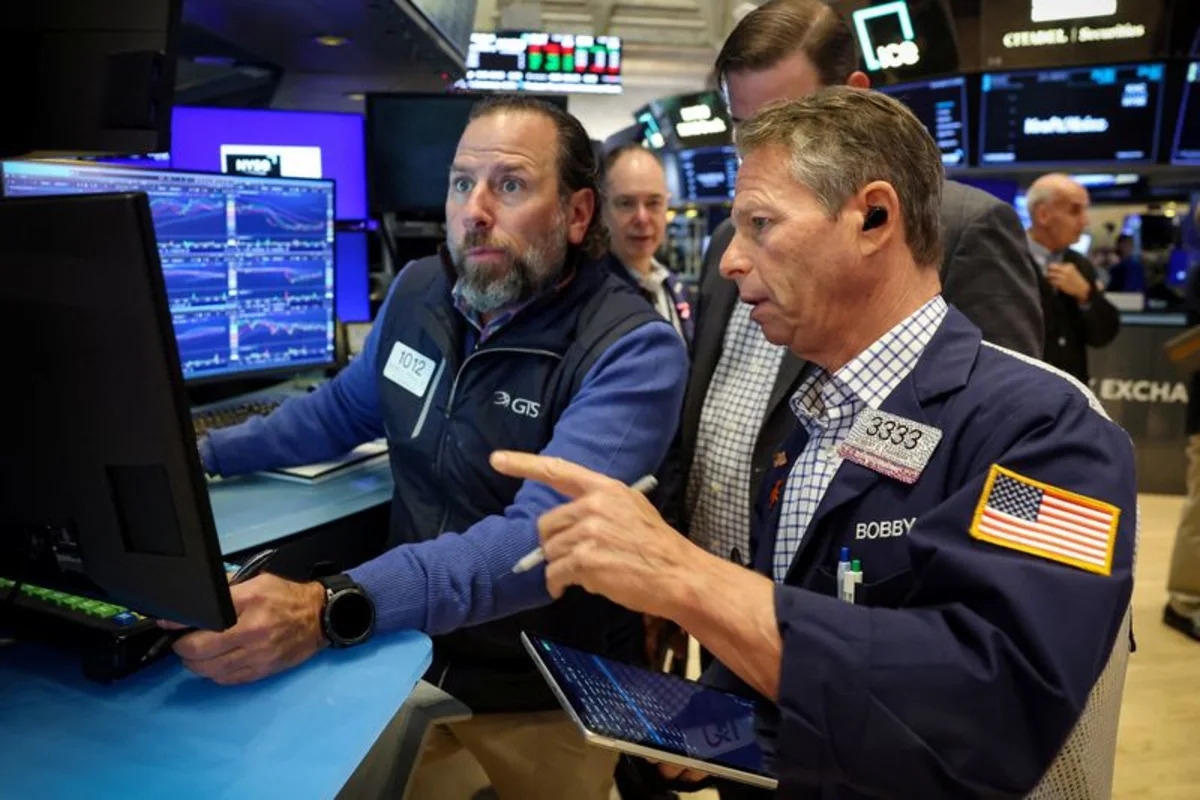
NEW YORK, Nov 13 (Reuters) - The S&P 500 and Nasdaq closed lower on Friday, as concerns about Nvidia pressured technology shares, while a reading on inflation failed to alter expectations for more rate hikes from the Federal Reserve.
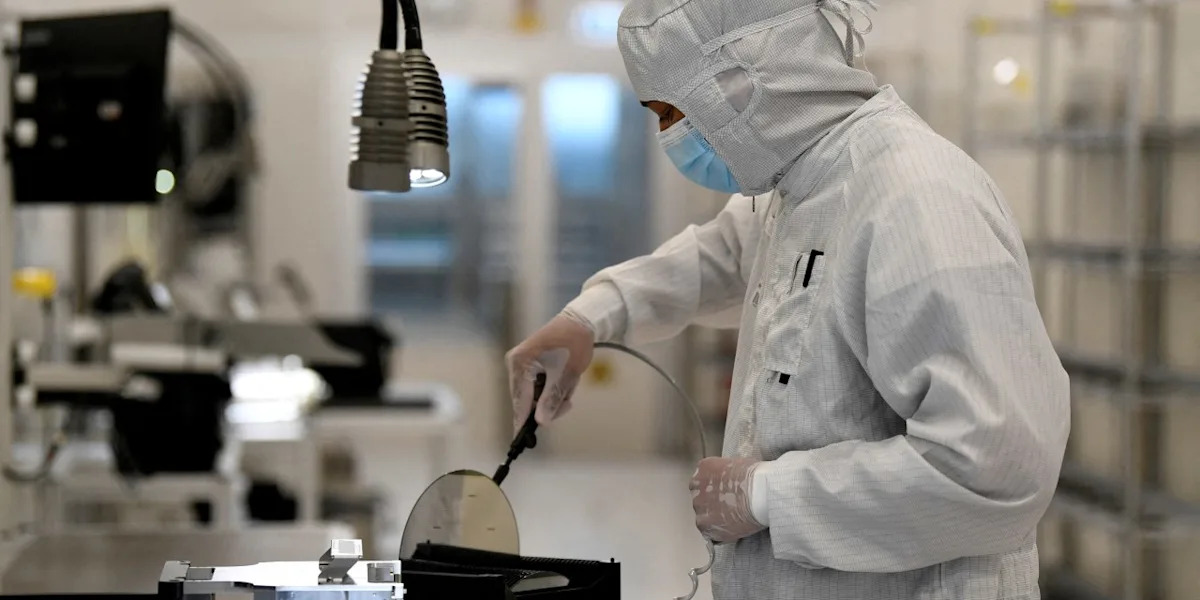
Nvidia's shares fell and recorded their sixth straight week of declines, their longest streak since October 2012, after CEO Jensen Huang's resignation on Thursday. He stepped down after revelations of extramarital affairs, including a relationship with a businesswoman suspected by the US of spying for China.
The Financial Times reported that Nvidia's board has approached British chipmaker Arm Holdings CEO Rene Haas in its search for a potential successor to Huang.
The uncertainty about leadership at the chipmaker has raised concerns about the durability of the AI trade, given Nvidia's primary role in the industry's boom and its financial ties to a host of companies in the sector, which has been a pillar of the bull market in equities.
"The tech trade, the AI trade, Nvidia is going to go through a period of volatility, and you're going to see the bulls and bears kind of wrestle on where this narrative goes through the rest of the year ... there's been a loss of confidence," said Anthony Saglimbene, chief market strategist at Ameriprise Financial in Troy, Michigan.
"The market and investors are trying to navigate what does the AI theme look like when we have the absence of Jensen Huang, who was basically the AI champion and willing to use Nvidia's balance sheet to fund a lot of this AI expansion. That's gone."
According to preliminary data, the S&P 500 lost 31.53 points, or 0.42%, to end at 7,560.87 points, while the Nasdaq Composite lost 230.13 points, or 0.91%, to 25,135.96. The Dow Jones Industrial Average rose 46.14 points, or 0.09%, to 52,343.23.
Despite the recent volatility, the major indexes recorded weekly gains, as the Nasdaq and S&P 500 both snapped a four-week streak of declines.
The Philadelphia Semiconductor Index fell, with Advanced Micro Devices and Broadcom the biggest drags.
Neoclouds CoreWeave and Nebius also ended lower, while data center-related firms IREN and Applied Digital retreated as well.
The losses come ahead of AI company Anthropic's much-anticipated IPO next week, which could test investor appetite for established AI heavyweights as money potentially shifts toward the new entrant.
The S&P 500 technology index was the worst-performing of the 11 major S&P sectors. But Microsoft ended higher, erasing earlier declines, after a global outage that included its Outlook and Teams products began to ease.
On the economic front, the Labor Department said US producer prices were slightly cooler than expected in October, but still shot up 6.5% year over year, the largest annual gain since November 2022.
The data kept expectations for a rate hike of at least 25 basis points at the Fed's December meeting completely locked in, with markets pricing in a roughly 10% chance for an outsized 50-basis-point increase, according to CME FedWatch.
Comments from multiple Fed officials earlier this week suggested the US central bank was open to a more aggressive path of rate hikes as price pressures worsen.
The sentiment for additional rate hikes was echoed by more Fed officials on Friday, including San Francisco Federal Reserve President Mary Daly, who said her "bias" is that the central bank will need to increase its policy rate, while Boston Federal Reserve President Susan Collins said tighter monetary policy is coming because of high inflation.
(Reporting by Chuck Mikolajczak in New York; Additional reporting by Niket Nishant and Utkarsh Hathi in Bengaluru; Editing by Pooja Desai and Matthew Lewis)