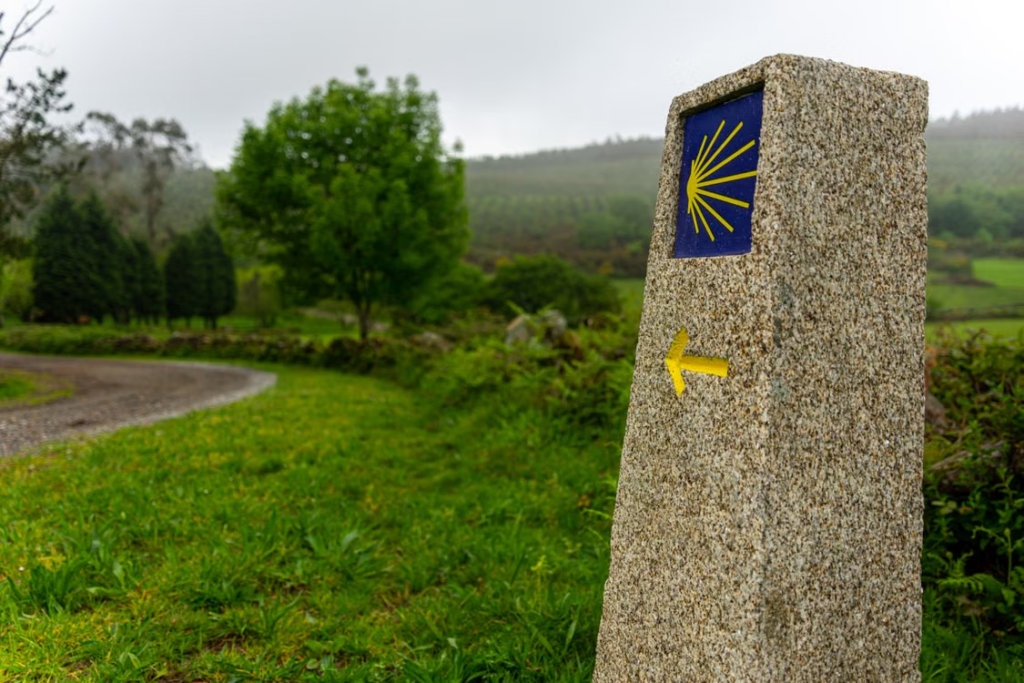
Make New York Post a Preferred Source Győző Mórocz The French Way is the Camino de Santiago most people picture, and by the numbers it’s still the most popular route. Of the roughly 531,000 pilgrims who collected a Compostela in 2025, a record, about 46% took it, according to the Pilgrim’s Office in Santiago de Compostela.
Here’s where those pilgrims are going, and which route might suit you better.
Shares are rounded and based on Pilgrim’s Office figures as compiled by several Camino data sites. Lengths vary by source and variant.
In 2025, the inland Central route topped 100,000 pilgrims, up about 6% on 2024. Many start in Tui, on the Spanish border, for roughly 119 km through the Rías Baixas, past Pontevedra, Caldas de Reis and Padrón.
The route from Tui can suit first-timers, though it carries more asphalt than the French Way. From Lisbon, the full route runs about 610–620 km.
Starting in Porto, the Coastal Way hugs the Atlantic for around 270 km, with boardwalks, dune paths and little climbing. It joins the Central route at Redondela, and many pilgrims start closer to Spain, in A Guarda, Baiona or Vigo, to shorten it.
The Coastal Way accounted for about 17% of the Compostelas recorded in 2025.
Medieval pilgrims from the British Isles and Scandinavia landed at Ferrol and walked inland, and the route is still short. From Ferrol, it’s about 117–122 km, usually five stages. The A Coruña branch is shorter.
It took about 5.7% of 2025 pilgrims. Time-poor walkers love it for that reason.
It traces the route attributed to King Alfonso II of Asturias in the 9th century, from Oviedo, and is generally regarded as the oldest path to Santiago. Expect around 300–320 km, mountains, and 14 stages or so.
It’s no pushover. Even so, the Primitivo carried about 5.3% of pilgrims in 2025, with numbers up about 14% from the year before, per Pilgrim’s Office-based figures.
At roughly 830–845 km, the Norte is a serious undertaking. It runs from Irún through the Basque Country, Cantabria and Asturias into Galicia, with cliffs, beaches and a lot of hills.
At Oviedo, many walkers switch to the Primitivo. If you want less time, starting in Ribadeo or Vilalba trims it to about 120–190 km.
Starting in Ponferrada, the Winter Way covers around 255–267 km through the Valdeorras region and Ribeira Sacra’s Sil valley. It’s said to have offered a lower-altitude alternative when snow closed the mountain passes of the French Way.
It’s among the least crowded Caminos, with quiet roads, vineyards and river canyons, though services are thinner than on the main routes.
Beginning in Seville along an old Roman road, it runs about 1000 km via the Sanabrés branch, crossing open plains and scattered villages. It took only about 1.7% of 2025 pilgrims, which tells you what to expect: solitude.
Services can be sparse, with some stages running past 30 km. The Sanabrés branch, from Granja de Moreruela, is about 365 km. One agency advises against doing it in summer because of the heat and lack of shade.
Reverse the usual direction. This route starts in Santiago and runs about 90 km to Finisterre, or around 120 km including Muxía, on Galicia’s Costa da Morte. It’s a popular add-on after arriving in Santiago.
For stage-by-stage maps and distances across all of these paths, dedicated Camino de Santiago route guides list typical stage lengths, which tend to run between 20 and 30 km a day, and show where services thin out.
If you plan to apply for a Compostela, check the Pilgrim’s Office’s requirements for your route and mode of travel. Pilgrims collect stamps along the way in a credential, and present it at the Pilgrim’s Office.
Many pilgrims walk only part of a route. Sarria on the French Way and Tui on the Portuguese are common starting points.
April to October is the usual advice, with May, June and the second half of September especially pleasant and less busy. Winter brings cold, rain and short days.
For budgeting, factor in public hostel accommodation and meals at local bars and restaurants. Private rooms and hotels cost more, and the price of getting to and from your start point isn’t included.
By Pilgrim’s Office shares, the Vía de la Plata (about 1.7%) and Norte (about 4%) draw the smallest crowds among the main routes, while the Winter Way is also known for its peace.
The Portuguese Way from Tui is one option for beginners to consider, though it has more road walking than the French Way.
Cyclists can follow Camino routes too, including the Portuguese Way. Check the Pilgrim’s Office’s requirements for cyclists if you plan to apply for a Compostela.
Sources: Oficina del Peregrino (Pilgrim’s Office, Santiago de Compostela) figures as compiled by CaminoWays and Camino Mio; Fundación Jacobea 2024 report; Via Lusitana; Spain.info; American Pilgrims on the Camino; Viajes Camino de Santiago route data. Figures are rounded and differ slightly by source.
Prices are estimates and may change. Check current rates before booking.