Nvidia Is 6.1% Of Your S&P 500 Fund. What Is Your Number? Trefis Team Fri, November 13, 2026 at 9:56 AM EST 3 min read NVDA -3.76% ^GSPC -0.85% AAPL +1.11% MSFT +0.34% GOOG -1.20% Explore stocks on Coinbase Trading disclosure Trading disclosure The above button links to Coinbase. Yahoo Finance is not a broker-dealer or investment adviser and does not offer securities or cryptocurrencies for sale or facilitate trading. Coinbase pays us for certain activity generated through this link. Prices displayed are informational.
More on the AI trade: our AI storyline page collects our pieces on AI stocks.
Before the weekend, open your brokerage app and tap the S&P 500 fund, the one that feels like the safe default. The holdings list runs to 504 stocks. The second line is Nvidia, at about 6.1% of the fund at Thursday's close. The top 10 names are 37.0%.
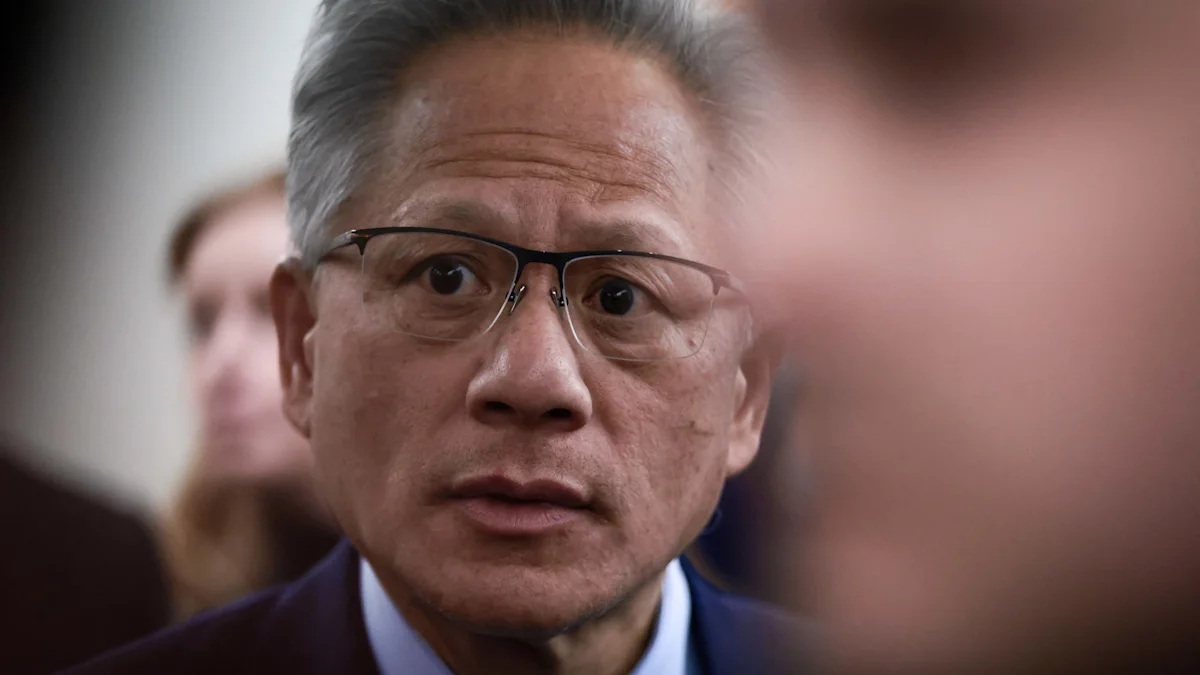
Now put your own balance next to it. In a $2 million portfolio held in an S&P 500 fund, that is about $123,000 of Nvidia and about $740,000 in ten holdings. Few statements ever show that sum. The fund's name says 500, the balance is a single line, and no one asks you each year whether the share at the top still suits you. This week showed what one person's news can do: Nvidia fell 4.3% on Thursday, when Jensen Huang resigned as CEO, and is down 11.0% since the Nov 6 close, while the S&P 500 fund rose 3.0%.
That $123,000 was sized by the index, not by you. For families with seven figures invested, the same names often reappear in tech and retirement funds. Do you know your total? A Trefis partner firm can add it up with you in a free 30-minute call.
Every index makes a choice about weight. Here is what that choice means for Nvidia and the top 10:
Fund holdings: SPY and QQQ at Thursday's close (State Street and Invesco files of Nov 11); RSP as of Nov 11 (Invesco), DGRO as of Nov 12 (iShares), VYM as of Sep 30 (Vanguard's latest monthly file). Same market, different rule: a fund that weighs by size, one that weighs equally, and ones that screen for dividends.
Because concentration is also why the index did so well. The companies that grew biggest earned the most, and a size-weighted fund held more of them as they grew:
Total returns with dividends reinvested, to Nov 12, 2026. Over ten years, owning less of the giants cost real money. Over five, one fund with no Nvidia at all finished within $8,000.
Less concentration is not automatically safer, either. In 2008 the equal-weight fund fell 40.1%, more than the S&P 500 fund's 36.8%. No path wins every decade. Each answers a different purpose.
A ceiling. Pick a share for the top 7-10 names across everything you own, and write it down.
A blend. Pair a size-weighted core with an equal-weight or dividend-growth sleeve, if you want the number lower.
A rule, not a headline. Check twice a year; trim only when you cross the line.
We counted the seven CEOs inside the index in Is Your S&P 500 Fund A Bet On 7 CEOs?, tested the bad case in Will Nvidia Stock Go To $100?, and followed a dividend path in $1 Million In SCHD Five Years Ago: What Is It Worth Now?
What share of my money rides on ten companies, counting every fund?
Did I choose that number, or did it grow on its own?
If the top 10 fell by a third, would I hold, or would I sell?
A ceiling only works if you know where you stand today. For seven-figure portfolios, a second look at your concentration takes a free 30-minute call with a Trefis partner firm.
For questions about this article or underlying research, email help@trefis.com.