The opaque line from Huang’s affairs to the banking industry Paul Vigna Fri, November 13, 2026 at 10:31 AM EST 4 min read NVDA -3.68% Trade NVIDIA on Coinbase Trading disclosure Trading disclosure The above button links to Coinbase. Yahoo Finance is not a broker-dealer or investment adviser and does not offer securities or cryptocurrencies for sale or facilitate trading. Coinbase pays us for certain activity generated through this link. Prices displayed are informational.
One investment tool I don't think gets enough attention is the pre-mortem. In a pre-mortem, you look at an investment, think up everything you can imagine that could go wrong, sketch out the implications, and then work your way back to your money. The benefit of this practice is you now have a roadmap if your investments start going south. It's not perfect, but it's something.
Now, you would have to be astoundingly prescient to have as part of your pre-mortem most important CEO on the planet gets caught in an (alleged) Chinese spy honeypot scheme, but you might have at least had some plan for any, er, bumps at a company such as chip-maker Nvidia.
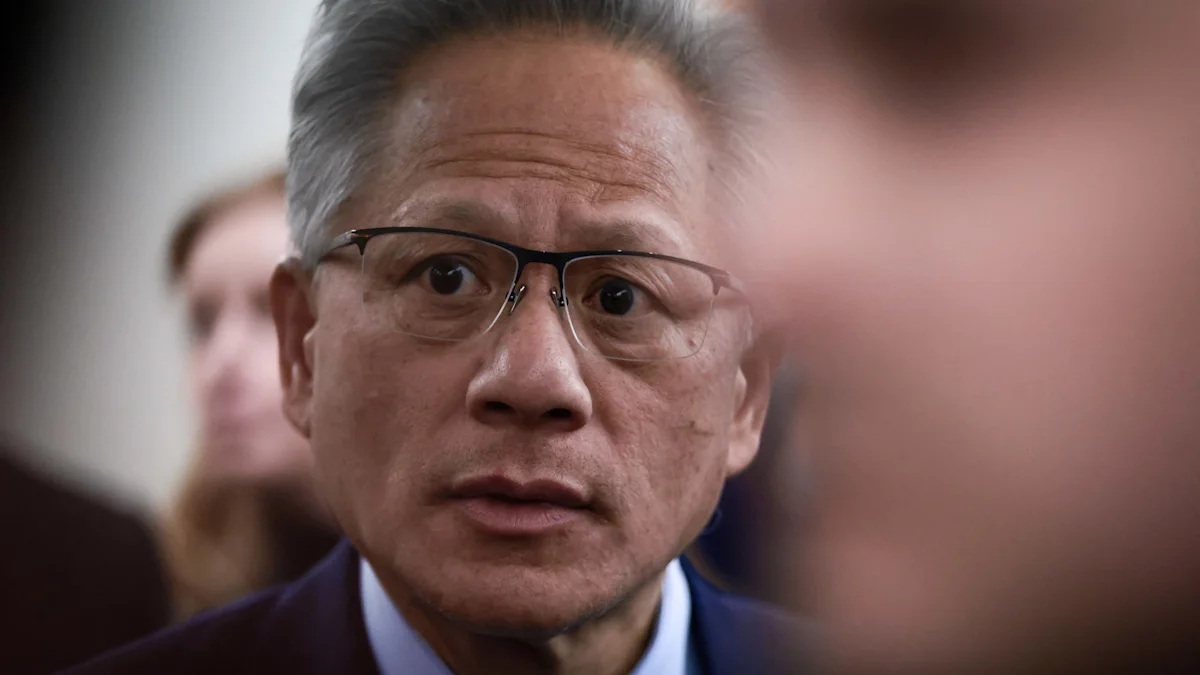
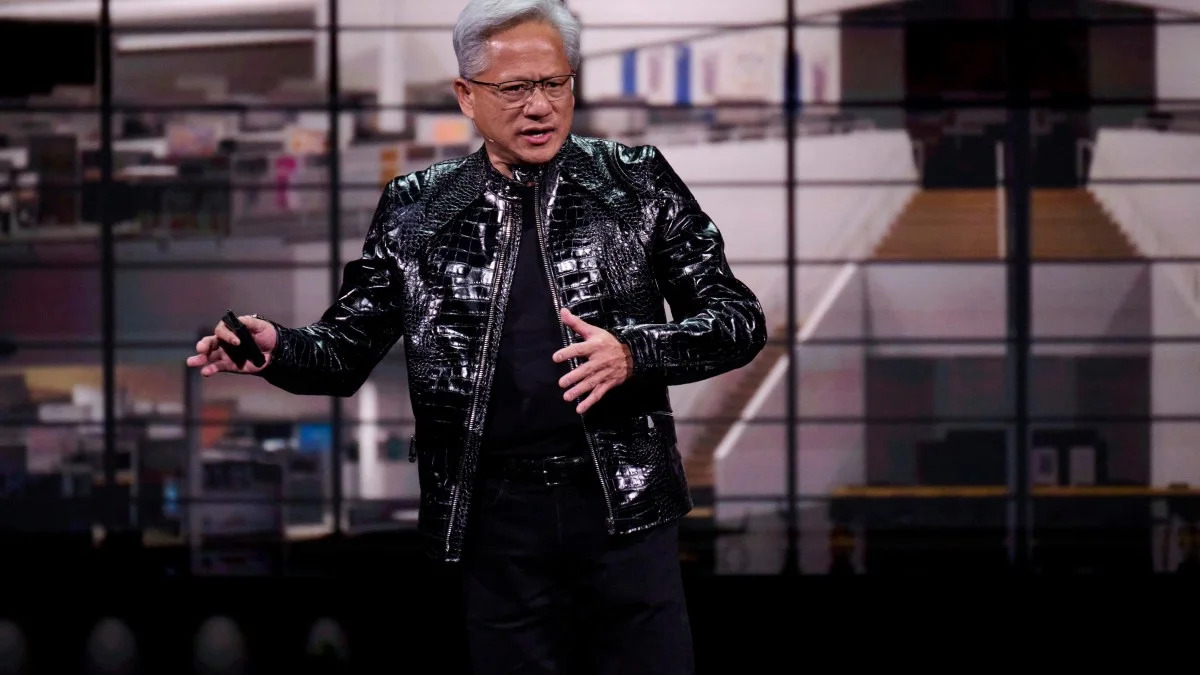
Unless you've been in a darkness retreat you have certainly heard by now that Nvidia CEO and founder Jensen Huang has resigned, after the revelations that he'd been having an affair with a suspected Chinese spy and additionally with an Nvidia employee. This raises questions about everything from Huang's wardrobe to the fate of humanity (if the AI acolytes are to be believed), and frankly right now all we have are questions. The answers are going to come in time. But whereas previously questions like that were theoretical, they now are actual.
The question for all of us here, of course, is what does this have to do with the banking industry. Maybe very little directly. But indirectly? Nvidia sits at the center of the most important flywheel in the capital markets. Trillions of dollars worth of investments revolve around it, and quite a significant chunk of it is quite opaque. It's something a pre-mortem would almost certainly have raised.
In the immediate term, Nvidia's solvency is not significantly threatened. The company has $320 billion in assets against only $91 billion in liabilities, according to its most recent earnings statement. Its profit in the second quarter alone was $60 billion.
But it is impossible though to say what the wider ramifications of L'affaire Jensen will be (or is it L'affaires Jensen? I don't know French plurals) for the company, the industry, and the capital markets that have relied upon the artificial intelligence boom. There are national security-concerns, of course; did the Chinese gain some access or insight into how Nvidia builds its products? Will that alter the balance of power?
There are corporate questions. Will Nvidia's competitive advantages be weakened? If Nvidia suffers, what does that mean for the rest of the industry and the capital markets that have gone all in on AI? The AI industry was already under some degree of duress. Backlash against data centers and AI itself played a role in the Democrats' blowout results in the midterm elections. There have been hints that these companies will not generate enough revenue from AI products to justify the money that's been invested. It's a lot of money.
Investment-grade corporate bond issuance in 2026 has already hit a record high, $1.9 trillion, largely fueled by tech companies borrowing for AI related investments. Moreover, junk bonds have been nearly half of the $80 billion issued this year just for data centers. Nvidia sits at the center of $5 trillion worth of circular financing deals, according to the investor Michael Burry (the guy played by Christian Bale in "The Big Short").
It's not just the financing. Nvidia in many ways is the heart of the entire AI buildout. And Huang in many ways was Nvidia. He founded it, he ran it, he was both the heart and brains of the company. So the $64,000 question, so to speak, is to what degree does Huang not being at Nvidia anymore hurt the company? And by extension, the industry? And by extension, the capital — most especially, the leveraged capital?
Forget jobs or inflation, credit is what matters. And credit is…
For both de novos and prediction markets, it's how you read the law
Those sleepy deposits that are 90% of your customers are waking up
Crypto and bitcoin have problems the CFTC and SEC can't fix
This is where things may start touching banks. While banks have ostensibly been shielded from making unduly high-risk bets by the collars implemented in the post-2008 financial reforms, those collars have been getting bent and the opacity of the private-credit industry means it's almost impossible to tell exactly how much risk is in there.
In other words, the butterfly effect of a seemingly minor personal indiscretion may not be that minor or personal at all. Nvidia is scheduled to report earnings on Nov. 17. There may be clues to the answers to some pre-mortem-type questions in there, but the real answers won't be visible until we see what if any damage Huang did to Nvidia's business. Huang could have done himself, his company, his industry, and his country a solid if he'd pre-mortemed his own desires.