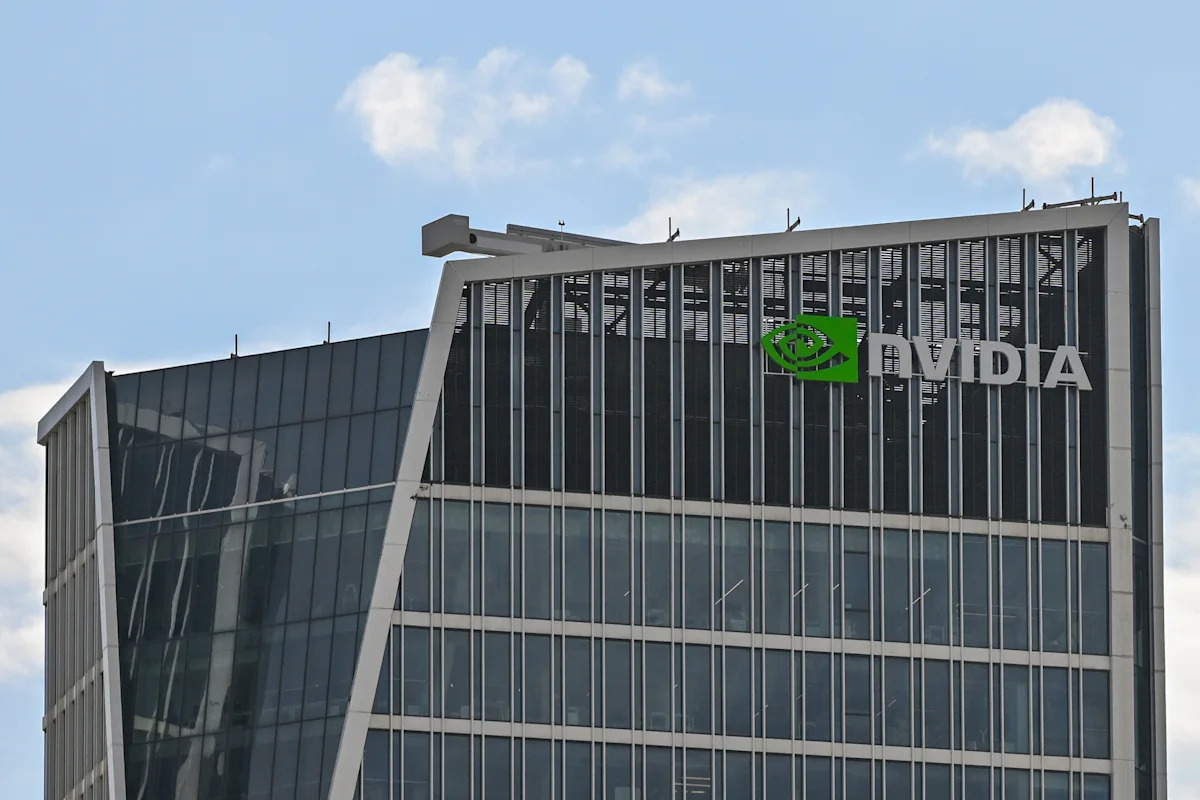
Israel’s VCs see opportunity for challengers in Nvidia’s turmoil TEL AVIV, ISRAEL - NOVEMBER 8: The green and white logo of artificial intelligence giant 'NVIDIA' is mounted on the angled top facade of a modern glass skyscraper in the technology hub on November 8, 2026, in Tel Aviv, Israel. (Photo by Artur Widak/NurPhoto via Getty Images) | Image Credits:Artur Widak/NurPhoto via Getty Images Anna Heim Fri, November 13, 2026 at 7:52 AM EST 3 min read NVDA +1.90% INTC -0.41% MSFT -0.95% Explore stocks on Coinbase Trading disclosure Trading disclosure The above button links to Coinbase. Yahoo Finance is not a broker-dealer or investment adviser and does not offer securities or cryptocurrencies for sale or facilitate trading. Coinbase pays us for certain activity generated through this link. Prices displayed are informational.
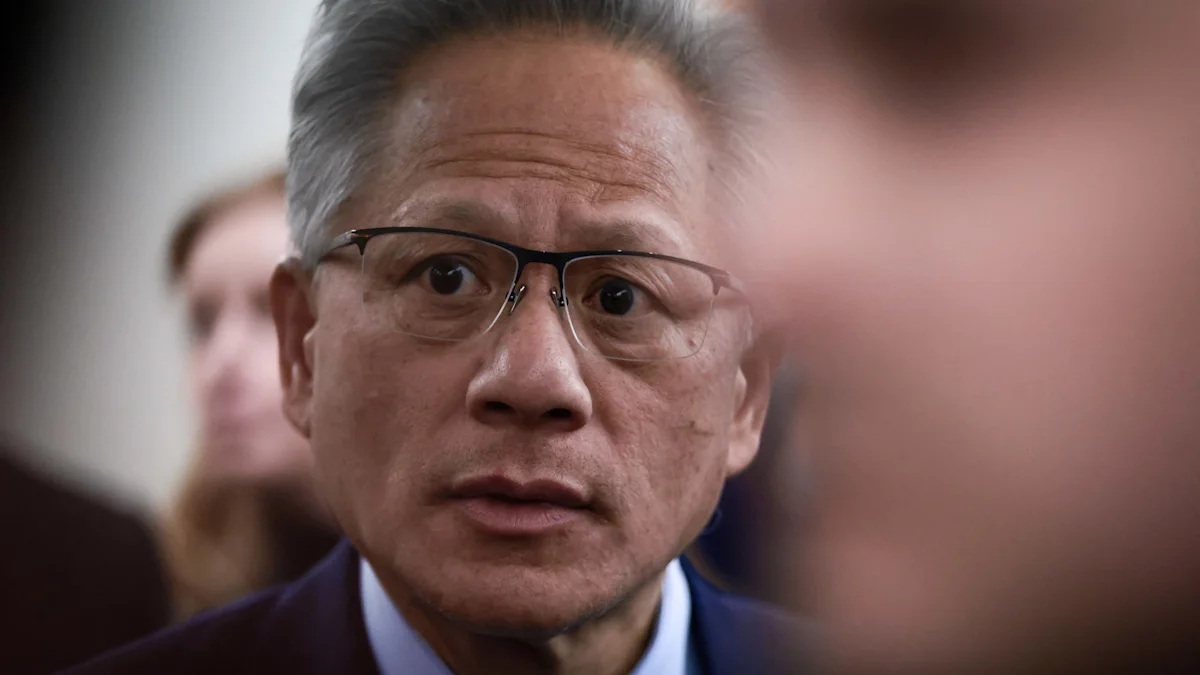
Former Nvidia CEO Jensen Huang's resignation has been received with worry in Israel, the company's "second home," as Huang described it in 2023. The company's importance flows both ways, as the semiconductor giant has provided a major boost to Israel's economic forecasts in recent years.
Intel, Microsoft and many homegrown startups also conduct a sizable share of their R&D in Israel. But owing to Nvidia's stronghold on AI given the centrality of its GPUs for training LLMs and using them, many in the country are wondering how much of a reshuffle will result from its leadership crisis.
As with everything at Nvidia, Huang drove the company to acquire Israeli chipmaker Mellanox for $6.9 billion in 2019 and use the company as the base for its largest R&D facility outside of the U.S. Nvidia also made plans to build a multibillion-dollar campus in northern Israel.
"Jensen brought Nvidia to Israel with the acquisition of Mellanox, so there is a strong positive sentiment towards Nvidia and Jensen in Israel's tech community," Israeli repeat cybersecurity entrepreneur Pavel Gurvich told TechCrunch.
Beyond the 6,000 locals Nvidia employs, the bigger question is whether the company will remain as committed to Israel with someone else at the helm. As a result, his line of succession is being observed just as closely by those who hope the company continues to do so as by those who don't want it to happen.
The latter have already gathered that they may be in for disappointment. In a 2023 interview that is now doing the rounds on X, interim CEO Colette Kress had declared that as Nvidia's CFO, she typically started her day "with Israel meetings, and only then continue[d] to California."
Kress may not remain in charge in the long run, but the many names floated for the role include two Israelis, Apple's Johny Srouji and Nvidia's Michael Kagan — although they're not at the top of the still quite tentative list.
Regardless of who gets chosen, Huang's successor will likely have less of a grip on Nvidia and the tech industry as a whole. But investors don't think that would cause demand for Nvidia's product to fade away.
According to Yanai Oron, a general partner at Vertex Ventures Israel, "slower decisions at Nvidia could give competitors an opening, but if that uncertainty also slows AI spending, they could end up with a bigger share of a smaller opportunity."
Nvidia has been responsible for a vast share of the spending in the global AI industry. Under Huang's leadership, the company used its cash reserves to massively invest across the spectrum, both in companies and in its own next-generation chips.
Such an empire may not be doomed to fall with its architect's ouster, but it does seem less likely to become a full-on monopoly. According to Adi Levanon, a founder and managing partner at Selah Ventures, "[Huang's] departure doesn't dismantle Nvidia's technology or ecosystem, but it could give competitors more room to shape what comes next."
And now that companies globally are deploying increasingly demanding AI agents into their workflows, there's been a lot of interest — and some venture capital — flowing into developers of AI-specific chips and inference software that could compete with Nvidia's.
"These challengers now have a window to prove a different approach delivers better economics; a leadership change alone won't win them the business," Levanon said.