Baird Cut Its Nvidia (NVDA) Target From $500 to $200. Here’s What It Wants Next Farooq Thu, November 12, 2026 at 6:17 PM EST 4 min read NVDA -3.48% Trade NVIDIA on Coinbase Trading disclosure Trading disclosure The above button links to Coinbase. Yahoo Finance is not a broker-dealer or investment adviser and does not offer securities or cryptocurrencies for sale or facilitate trading. Coinbase pays us for certain activity generated through this link. Prices displayed are informational.
We just published a list of the 10 Best AI Stocks to Buy After Wells Fargo's Outlook Upgrade and Nvidia (NASDAQ:NVDA) ranked 6th on this list.
Wells Fargo is no longer telling investors to stay away from the AI infrastructure trade. In a new note, analysts led by Ohsung Kwon raised the firm's view on US AI infrastructure to neutral from negative.
The change follows a deep selloff. Semiconductor shares trade about 38% below their June highs, and the multiples investors pay for them have compressed. At current prices, the analysts said, valuations imply earnings growth of only about 8% a year.
A compressed multiple means investors now pay less for each dollar of expected profit. That can happen even while earnings keep rising, which is why a stock can fall while its business improves.
Democratic wins in the midterm elections, including in states that oppose new data centers, fueled concerns about regulation. A stricter permitting climate could slow construction and raise its cost, which would cut into the spending that has fed AI company revenue.
The selloff has erased about $3 trillion from the S&P 500. Readers following the pullback can find the names analysts like most in our list of oversold AI stocks with 50%-plus upside. Kwon and his team said the risk-reward is now reasonable after the drop.
AI spending added about 8 percentage points to S&P 500 earnings growth over the past year. The Wells Fargo analysts wrote that "The tailwind is expected to continue in 2027," and that it largely disappears in 2028 as spending growth slows and depreciation costs rise.
Depreciation explains much of the concern. Companies spread the cost of data centers and chips over several years, so those charges keep landing on income statements even after the buying slows. Those charges are real expenses even though the cash left the company earlier. Profit growth then shrinks, just as the spending that lifted it fades. Analysts build their forecasts from spending levels, so a plateau in budgets changes the math quickly.
The bigger risk, the analysts said, is a downturn in earnings per share once capital spending peaks. They also pointed to extra supply arriving in 2028 that prices do not yet reflect. For investors, the question is how much of that is already in share prices after the drop.
Companies still growing quickly through the selloff are the subject of our roundup of the fastest-growing AI stocks. The Wells Fargo shift is a move from caution to a neutral stance, not a call that the selloff is over.
Nvidia made it to our list because it has an average upside potential of 83%.
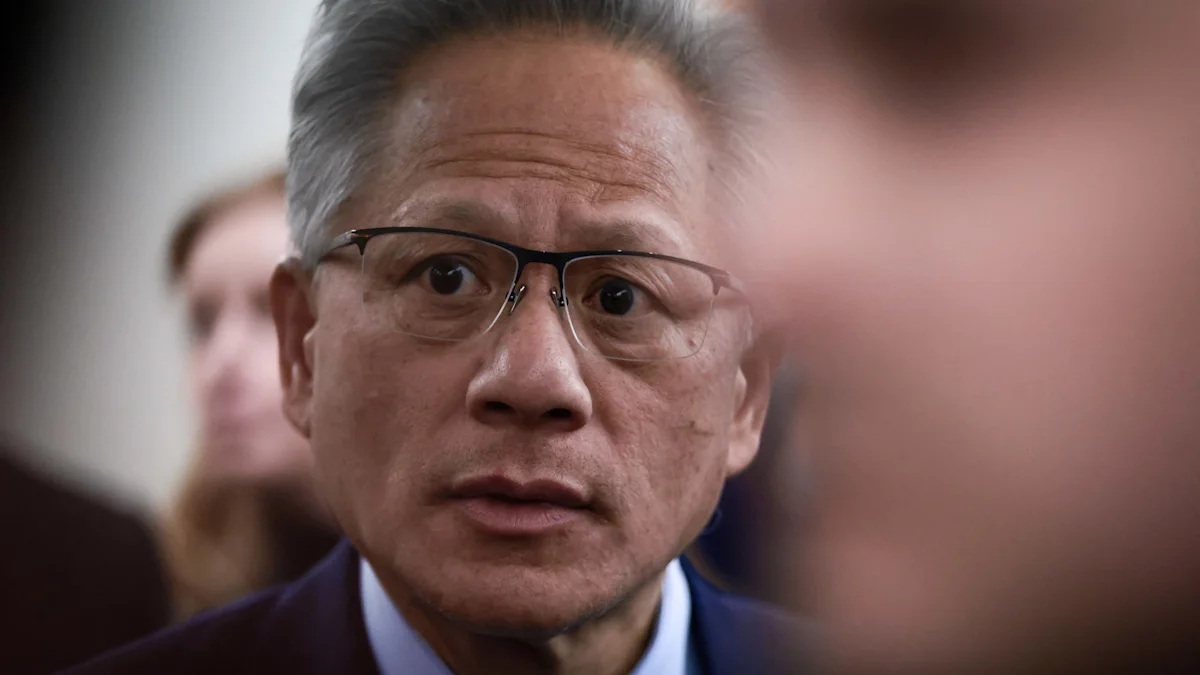
Baird downgraded Nvidia to Neutral from Outperform on November 11 and cut its target to $200 from $500, pointing to the outlook for AI spending and risks tied to China. Evercore ISI followed on November 12, moving the stock to In Line from Outperform with a $186 target. Oppenheimer also lowered its rating that day, to Perform from Outperform.
Nvidia designs the processors that train and run most AI models, so any doubt about customer spending lands on it first. Its chips sit in the data centers of the largest cloud companies, the same buyers whose budgets Baird questions. Investors get a fresh read next Tuesday after the close, when the company reports quarterly results. Wall Street expects earnings of $2.47 per share for the quarter that ended in October.
Bulls argue that the stock's slide has left it cheap against its own growth record, while bears, Baird among them, want proof that spending stays strong into next year. Our piece on whether Nvidia's valuation already prices in a growth stall covers the other side of that debate. The report will show whether customers are still placing orders at the same pace.
While we acknowledge the risk and potential of NVDA as an investment, we believe certain AI stocks offer greater upside potential and carry less downside risk. If you're looking for an extremely undervalued AI stock that also stands to benefit significantly from Trump-era tariffs and the onshoring trend, see our free report on the best short-term AI stock.
READ NEXT: SoundHound vs. Rezolve: Which AI Growth Story Is Worth the Financing Risk? and Salesforce (CRM) vs Oracle (ORCL): Which Is a Better Stock to Buy?
Disclosure: None. Follow Insider Monkey on Google News.