Equities little changed, Nvidia drop offsets lift in energy shares By Chuck Mikolajczak and Niket Nishant Thu, November 12, 2026 at 2:54 PM EST 3 min read NVDA -5.58% ^GSPC -0.33% CL=F +2.74% Trade NVIDIA on Coinbase Trading disclosure Trading disclosure The above button links to Coinbase. Yahoo Finance is not a broker-dealer or investment adviser and does not offer securities or cryptocurrencies for sale or facilitate trading. Coinbase pays us for certain activity generated through this link. Prices displayed are informational.
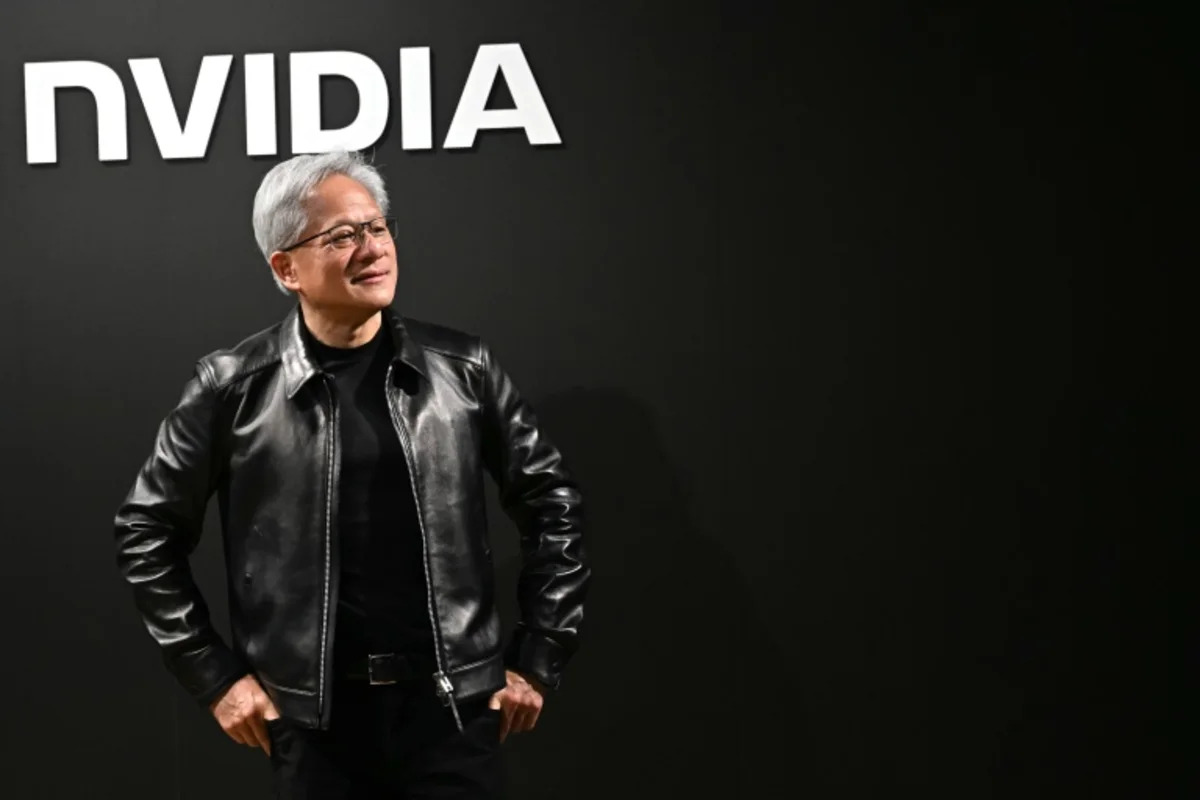
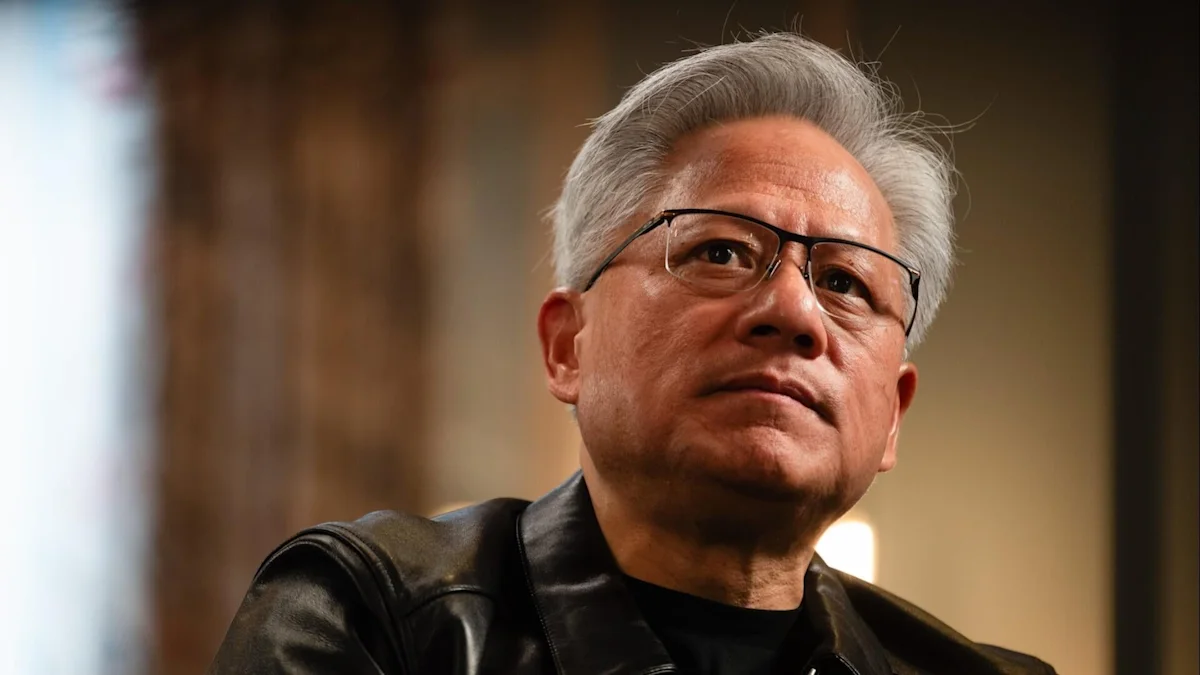
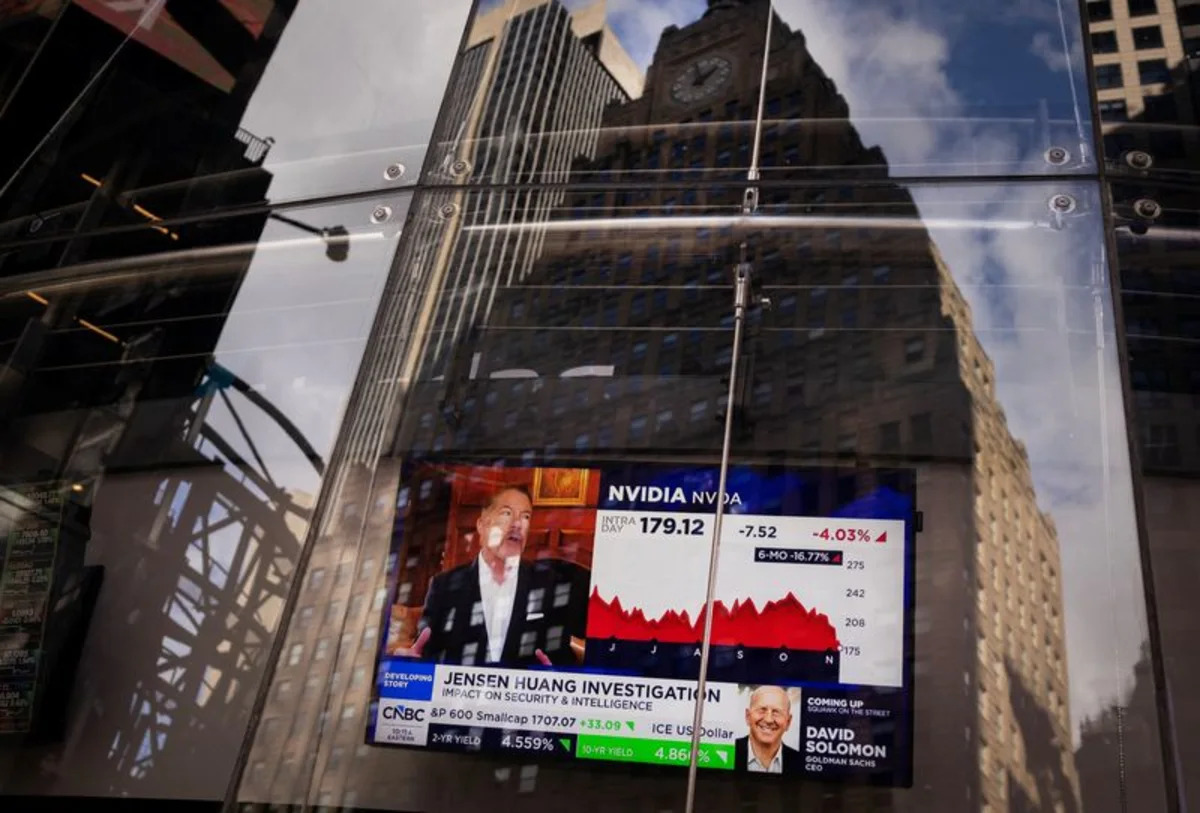
NEW YORK, Nov 12 (Reuters) - US stocks were little changed on Thursday, after the S&P 500 and Nasdaq erased initial declines as a rise in oil prices boosted energy shares, although Nvidia's decline after CEO Jensen Huang's exit weighed on the market.
The chip company's shares were last down about 5%, after earlier dropping nearly 12%. Retail investors bought Nvidia shares worth about $111 million in the first half hour of trading, the biggest opening bid on record for the stock, according to data from Vanda Analytics.
The S&P 500 energy index rose about 2% as the best-performing of the 11 major S&P sectors. Crude prices climbed after President Donald Trump wrote on social media that the US did not need a deal with Iran.
Global AI-linked stocks were trading lower as Nvidia Chief Financial Officer Colette Kress was tabbed as interim CEO, and AI cloud firm Nebius tumbled nearly 18% after reporting its quarterly earnings and outlook. But Nvidia competitors such as Broadcom, Advanced Micro Devices, Alphabet and Amazon moved higher as the biggest boosts to the S&P 500.
Equities have been volatile in recent days. Sweeping Democratic victories in the US midterm elections have sparked investor concern about more AI regulation. Worries about Nvidia's leadership have also pressured one of the foundations of the current bull market.
"Right now, the market is selling AI stocks and tech stocks and buying safe stuff, just like it did in the first halo trade in January and February of this year, but it will flip back," said Jed Ellerbroek, portfolio manager at Argent Capital Management in St Louis.
"That's the tug of war the market is doing right now. It's concerns about deceleration versus just pointing out that the absolute valuation and growth rates are still pretty compelling."
The Dow Jones Industrial Average rose 8.64 points, or 0.02%, to 52,495.13, the S&P 500 lost 10.22 points, or 0.13%, to 7,609.16 and the Nasdaq Composite shed 70.03 points, or 0.27%, to 25,396.16.
Even with Huang's departure, some investors expect questions to persist about the future of AI companies with strong ties to Nvidia.
The company has backed several firms, including its own customers, through financing arrangements that face greater scrutiny after Huang's departure.
"Nvidia is the circular-funder-in-chief; they're the biggest by far at this point, and I assume that activity will moderate," said Ellerbroek.
The Philadelphia Semiconductor index shed 0.5% after rising 17.2% over the prior four sessions.
Along with Nebius, peer CoreWeave dropped about 7%.
Shares of data center-related firms IREN and Applied Digital also slumped.
Investors are awaiting the release of the Producer Price Index on Friday, which will follow a hotter-than-expected consumer price reading earlier this week.
Markets are completely pricing in a December rate hike of at least 25 basis points by the Federal Reserve, with a 15% chance of an outsized 50-basis-point increase, according to CME FedWatch.
Comments from multiple Fed officials earlier this week suggested the US central bank was open to a more aggressive path of rate hikes as price pressures worsen.
Cleveland Fed President Beth Hammack said on Thursday she does not believe the central bank needs to shift to more aggressive rate hikes to combat inflation, while San Francisco Federal Reserve President Mary Daly said she thinks the central bank will likely need to raise interest rates further to deal with elevated inflation, but did not suggest any urgency.
Declining issues outnumbered advancers by a 2.8-to-1 ratio on the NYSE, and by a 2.87-to-1 ratio on the Nasdaq.
The S&P 500 posted 18 new 52-week highs and 2 new lows, while the Nasdaq Composite recorded 40 new highs and 215 new lows.
(Reporting by Chuck Mikolajczak; additional reporting by Niket Nishant, Utkarsh Hathi and Darshan Kumar; Editing by Anil D'Silva, Devika Syamnath and Rod Nickel)