What Is The Biggest Threat To Charter Communications Stock? Trefis Team Thu, November 12, 2026 at 10:59 AM EST 3 min read CHTR +0.29% ^GSPC +0.30% CMCSA +0.90% T +0.18% VZ +0.04% Explore stocks on Coinbase Trading disclosure Trading disclosure The above button links to Coinbase. Yahoo Finance is not a broker-dealer or investment adviser and does not offer securities or cryptocurrencies for sale or facilitate trading. Coinbase pays us for certain activity generated through this link. Prices displayed are informational.
For questions about this article or underlying research, email help@trefis.com.
Charter Communications (CHTR) stock has lost 35.2% over the past year, while the S&P 500 returned 12.8%. If you hold the shares, the worry is whether something in the business itself is slipping. On its November 6, 2026 call, management admitted that Charter has not generated the customer growth it expects and launched a new operating model to return the company to growth. So what is going wrong in the business Charter depends on most?
Charter Is Losing Internet Customers As Competition Grows
Rivals are targeting Charter's home internet customers, a threat management itself raised. In the third quarter of fiscal 2026, Charter's own footprint lost 156,000 internet customers before counting Cox, more than the 109,000 it lost a year earlier. Cox, which Charter acquired in a deal that closed on August 19, 2026, lost another 77,000.
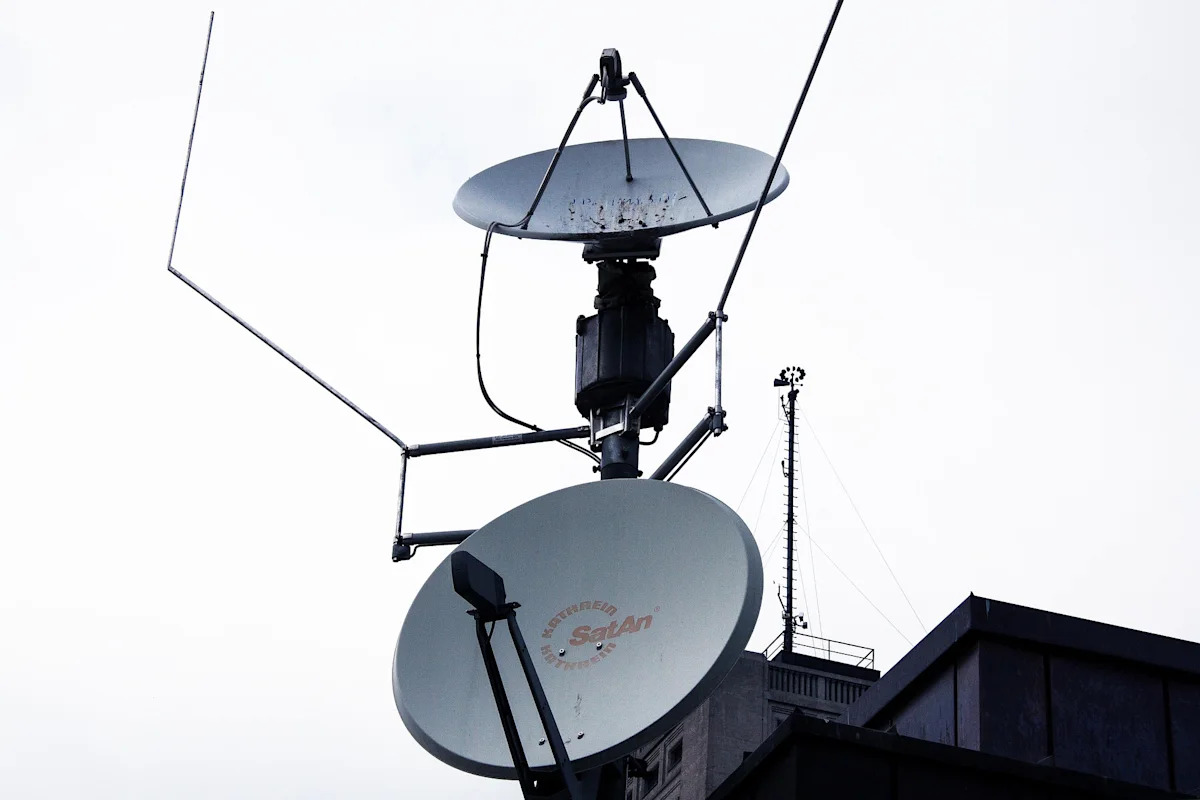
Management named the rivals on the same call: expanded fixed wireless competition, fiber overlap, mobile substitution, and aggressive promotions by certain competitors. It also said its most loyal long-term customers are too often at risk from aggressive price competition. Satellite providers are rivals too. Management has not seen meaningful share loss to Starlink, but it called the low Earth orbit providers very well-capitalized and said it takes them seriously.
How Much Of Charter's Revenue Comes From Internet?
Internet is Charter's largest business, bringing in $23.8 billion in fiscal 2025, 43.4% of the company's revenue. That revenue grew 1.7% in fiscal 2025, after 1.4% in fiscal 2024, so the business was barely growing in either year. Across the whole company, management said pro forma revenue fell 1.5% in the third quarter, driven by lower residential revenue.
Investors already pay far less for Charter's sales as a whole than they used to. At the end of September 2026, Charter traded at 0.233 times sales, the lowest of any quarter end in records going back to the end of 2016, and far below the 2.7 it reached at the end of 2020. Even after a rebound in the past month, the stock closed on November 11, 2026 at 45.1% below its highest close of the past year.
How Worried Should Charter Holders Be?
The threat is real but slow, and the price appears to assume much of it already. Management counts 34 million internet customers across the combined company, and one quarter's losses are small against that base.
The early evidence is encouraging but incomplete. Since Charter launched Spectrum Day in the Cox footprint on September 16, management said internet sales are up significantly there, though it expects those trends to vary after the launch period. Yet management has not said when Charter will return to growth.
Charter stock can also fall hard when markets turn. In the 2022 inflation shock, the shares fell 53%, against 24% for the S&P 500. In the 2025 tariff shock it fell less than the index, dropping 11% against 19%. Both market figures are for SPY, a fund that tracks the index.
Management has made winning more internet customers its top priority. Charter's count of internet customers is the figure to watch, due with its fourth-quarter report expected in January 2027.
Want Income That Doesn't Hang On One Company?
Every single stock carries risks like these. The Trefis Income Solution spreads your money across 50 dividend stocks, each with at least 10 straight years of dividends, with a yield about 3x the S&P 500.
Spot an error or want more like this? Tell us in 10 seconds.