Chinese AI Firms Rush to Secure Nvidia Computing Power Overseas. A US Crackdown Could Shut The Door. Merin Rebecca Thomas Thu, November 12, 2026 at 10:03 AM EST 3 min read NVDA -7.69% Trade NVIDIA on Coinbase Trading disclosure Trading disclosure The above button links to Coinbase. Yahoo Finance is not a broker-dealer or investment adviser and does not offer securities or cryptocurrencies for sale or facilitate trading. Coinbase pays us for certain activity generated through this link. Prices displayed are informational.
Chinese artificial intelligence companies are racing to secure Nvidia-powered computing capacity outside China, concerned that Washington could soon restrict their ability to remotely use advanced American chips that are already subject to export controls.
A major Chinese cloud provider has discussed locking in overseas capacity, while other companies have approached data center operators about reserving computing power, Reuters reported Thursday, citing three people familiar with the matter. Smaller AI laboratories are considering similar arrangements, including with providers in Southeast Asia.
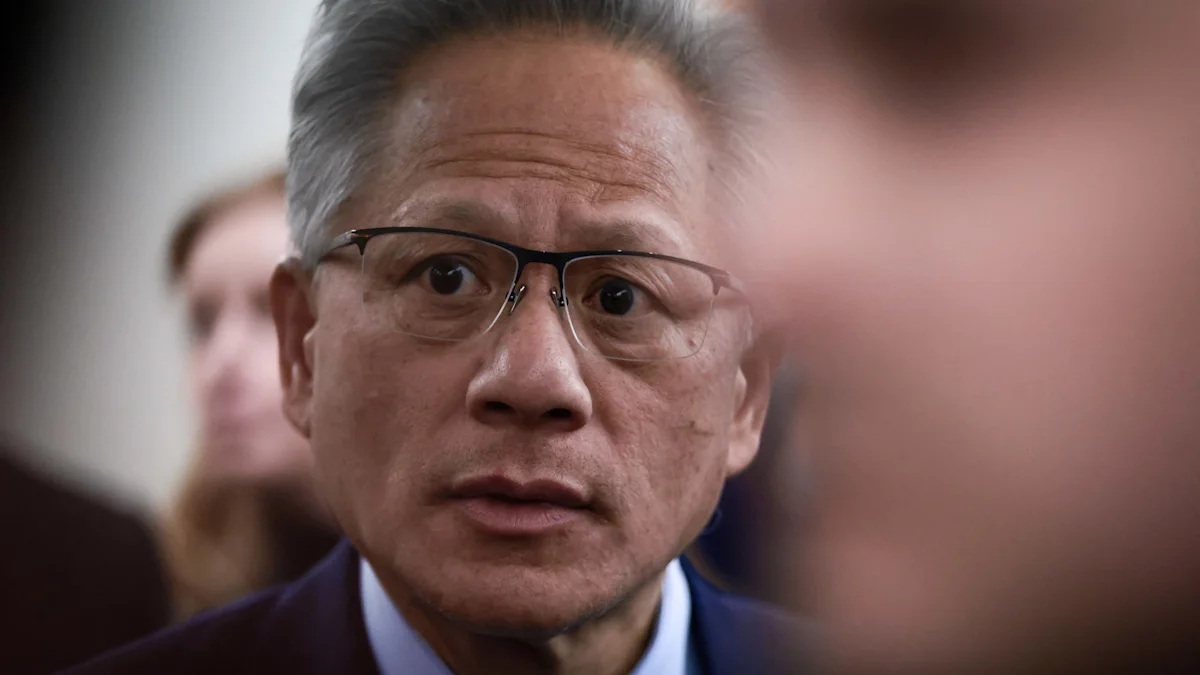
The activity comes amid the departure of Nvidia CEO Jensen Huang and concerns among Chinese technology companies that the controversy could accelerate legislation giving U.S. authorities greater control over access to restricted technology.
Washington already limits exports of Nvidia's most advanced AI processors to China, but Chinese developers can still access some of the same computing power by renting capacity at data centers in other countries. That arrangement allows companies to train and operate artificial intelligence models without importing the restricted hardware into China.
For developers dependent on advanced processors, the distinction between owning a chip and remotely using one has become increasingly important.
The latest concern centers on the Remote Access Security Act, which would expand the Commerce Department's authority to regulate access to certain U.S.-controlled technology through network connections, including cloud computing services.
The House of Representatives passed the legislation on Jan. 12 by a vote of 369-22, with support from both parties. The measure was subsequently referred to the Senate Banking Committee, where it awaits further action.
Under the proposed legislation, federal regulators could extend export controls to certain situations in which a foreign customer remotely accesses technology physically located elsewhere.
For Chinese AI companies, that raises the possibility that computing services they can currently rent from foreign operators could become subject to additional restrictions.
The companies involved in the discussions have not been publicly identified. Reuters said the people familiar with the matter declined to name the firms because of the sensitivity of the arrangements.
The reported activity does not establish that the companies have violated U.S. export rules. Rather, it reflects concern that permitted arrangements could become more difficult to maintain if Washington changes its approach.
The uncertainty has also affected Chinese technology stocks. Alibaba shares fell as much as 7.1% in Hong Kong trading Thursday, while AI model developers Z.AI and MiniMax each declined at least 7%. The losses came as investors assessed the possibility of tighter American restrictions on advanced computing technology.
The pressure is also being felt in China's market for restricted AI hardware, where traders and intermediaries have started stockpiling Nvidia chips available through unofficial channels, according to two people cited by Reuters.
Those buyers are concerned that a broader U.S. enforcement campaign could make advanced processors and AI servers harder to obtain. The stockpiling activity is separate from the reported discussions about renting overseas computing capacity, although both reflect uncertainty over future access to Nvidia technology.
Chinese developers already face intense competition for advanced computing resources. Nvidia's processors are widely used to train large language models and run AI applications, while restrictions on direct exports have pushed companies to explore alternative sources of computing power.
Demand for less restricted Nvidia hardware has also remained strong. ByteDance, Alibaba and Tencent placed orders worth more than $35 billion for Nvidia workstation processors in October, according to a separate Reuters report.
Those processors are less powerful than Nvidia's most advanced data center chips but provide another option for Chinese companies trying to expand their AI capabilities under existing trade restrictions.
The latest developments highlight a growing challenge for both sides. Washington is seeking to limit China's access to high-end American computing technology, while Chinese companies are exploring overseas services and alternative processors to maintain their AI development.
The Remote Access Security Act has not become law, and the computing arrangements described by Reuters have not been prohibited by any newly announced restriction. Chinese firms, however, are already examining how to secure the capacity they may need if U.S. rules become more restrictive.