Apple Vs. Alphabet: Who’s The Better Flight-to-Quality Anchor Now? Alex Sirois Thu, November 12, 2026 at 7:15 AM EST 5 min read AAPL +0.44% GOOGM 0.00% Trade Apple on Coinbase Trading disclosure Trading disclosure The above button links to Coinbase. Yahoo Finance is not a broker-dealer or investment adviser and does not offer securities or cryptocurrencies for sale or facilitate trading. Coinbase pays us for certain activity generated through this link. Prices displayed are informational.
Apple beats Alphabet as a flight-to-quality anchor because it funds itself, while Alphabet's AI spending pushes free cash flow negative.
Apple spent $9 billion on capex against $145 billion in operating cash flow, then returned $28 billion to shareholders in the quarter.
Alphabet sold $29 billion of notes and issued shares to cover $51 billion of quarterly capex, diluting existing holders.
Building a portfolio and living off one are two completely different skills, and almost nobody teaches the second. This problem is what The Definitive Guide to Retirement Income helps, and it is free today. Read more here. (Sponsor)
Apple (NASDAQ:AAPL) and Alphabet (NASDAQ:GOOGL) reported within a week of each other, and cash separated the two results. Apple posted a record September quarter on November 2 and kept returning capital to shareholders. Alphabet grew faster on October 28 but burned cash on AI infrastructure. For investors researching defensive mega-caps, that gap matters more than headline growth.
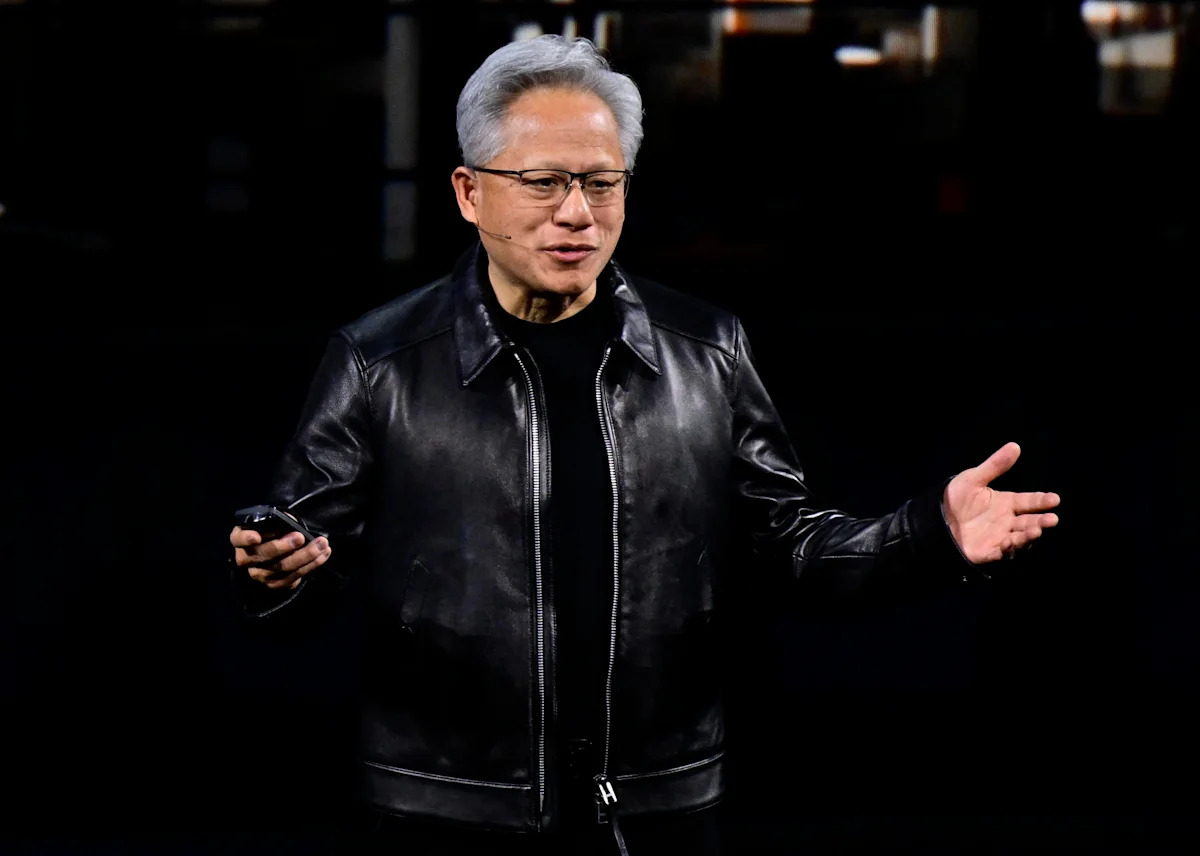
Apple earned $2.10 per share, beating the $1.98 consensus. Tariff refunds added $0.05 of that, so part of the beat came from a one-time boost. iPhone revenue rose 17% to $57.6 billion even with supply constraints, which points to real upgrade demand. Services set a record at $31.6 billion with a 76% gross margin. Those sales come from an installed base of more than 2.5 billion active devices. CEO John Ternus called it "our best fiscal year ever."
Alphabet's Google Cloud grew 103%, and its operating income jumped to $11.12 billion from $3.59 billion. Cloud is growing quickly despite its size. Sundar Pichai noted "strong demand for our TPU systems across a wide range of customers." EPS still came in at $2.12, missing the $2.97 estimate. An $8.7 billion loss on equity securities explains most of the shortfall.
Many successful investors eventually reach the same moment. The saving is done, the portfolio is built, and the question quietly changes from how much can I grow this to how much can I take out? Get that second question wrong and decades of good investing can come apart in a handful of years.
That is exactly what The Definitive Guide to Retirement Income helps answer. It covers what your retirement could actually cost, which income sources are worth using, and the withdrawal math that decides whether the money lasts. It is free today from Fisher Investments. Read More Here ›
Apple's full-year capex fell 28.9% to $9.04 billion, while operating cash flow reached $145.10 billion. In other words, Apple's suppliers carry the factory costs. Apple returned $28 billion in the quarter and has $137 billion in cash against $80 billion of debt. It also dropped its net-cash-neutral target to give itself more room to spend.
Alphabet's quarterly capex hit $51.36 billion, which drove free cash flow to negative $9.07 billion. To fill the gap it sold $28.7 billion of notes and issued new shares, which dilutes existing holders. Its debt-to-equity ratio of 0.14 is still lower than Apple's 0.71. Alphabet carries less leverage.
Apple expects December gross margin of 45% to 46%, below the 47.9% it just reported. Ternus called memory pricing "unprecedented." I will be watching whether the price increases hold up and whether supply of the foldable iPhone Duo catches up with demand. For Alphabet, the question is whether Cloud profits can cover 2026 capex guidance of $175 billion to $185 billion (that spend has to land somewhere, and we profiled seven of the power, cooling and networking suppliers absorbing it in a free AI infrastructure report).
Apple trades at a premium. Its forward P/E is about 37, compared with around 19 for Alphabet. To me, a flight-to-quality stock should fund itself, and Apple does that today. Bloomberg noted that the best-performing mega-caps are the ones "throwing off cash". Apple fits that profile. Alphabet looks like the better growth story, and I would rethink my view if its free cash flow turns positive. Until then, Apple's self-funded model gives it the steadier cash profile.
(Sponsor) Most people spend their entire working lives focusing on one thing: growing a pile of money. Then they retire and discover the skill they actually need is close to the opposite. Turning that pile into steady income, year after year, through good markets and bad, without ever running out.
It may be the least discussed and most consequential transition in personal finance, and plenty of otherwise careful investors walk into it with no real plan. That is exactly what The Definitive Guide to Retirement Income helps answer. It is a free guide from Fisher Investments covering what your retirement will really cost, where the cash flow should come from, and how much you can safely withdraw each year. Learn more here. Learn More Here ›
Contact editorial@247wallst.com for any questions or corrections.