Five things to know about Nvidia AFP Thu, November 12, 2026 at 8:07 AM EST 4 min read NVDA -8.63% Trade NVIDIA on Coinbase Trading disclosure Trading disclosure The above button links to Coinbase. Yahoo Finance is not a broker-dealer or investment adviser and does not offer securities or cryptocurrencies for sale or facilitate trading. Coinbase pays us for certain activity generated through this link. Prices displayed are informational.
After launching as a small gaming start-up and morphing into the top chip designer for artificial intelligence, US tech giant Nvidia faces unprecedented turbulence after its co-founder and CEO Jensen Huang reportedly had a second extramarital affair with an employee.
Huang had already acknowledged being "unfaithful" to his wife, reportedly with a woman US intelligence officials believe was a spy for China.
Here are five things to know about the firm headquartered in Santa Clara, California, where the board is reportedly weighing Huang's future as chief executive.
Behind the acronym lies the driving force behind the new generation of artificial intelligence, particularly generative AI -- that is, a version capable of creating text, music, images or video based on a prompt couched in everyday language.
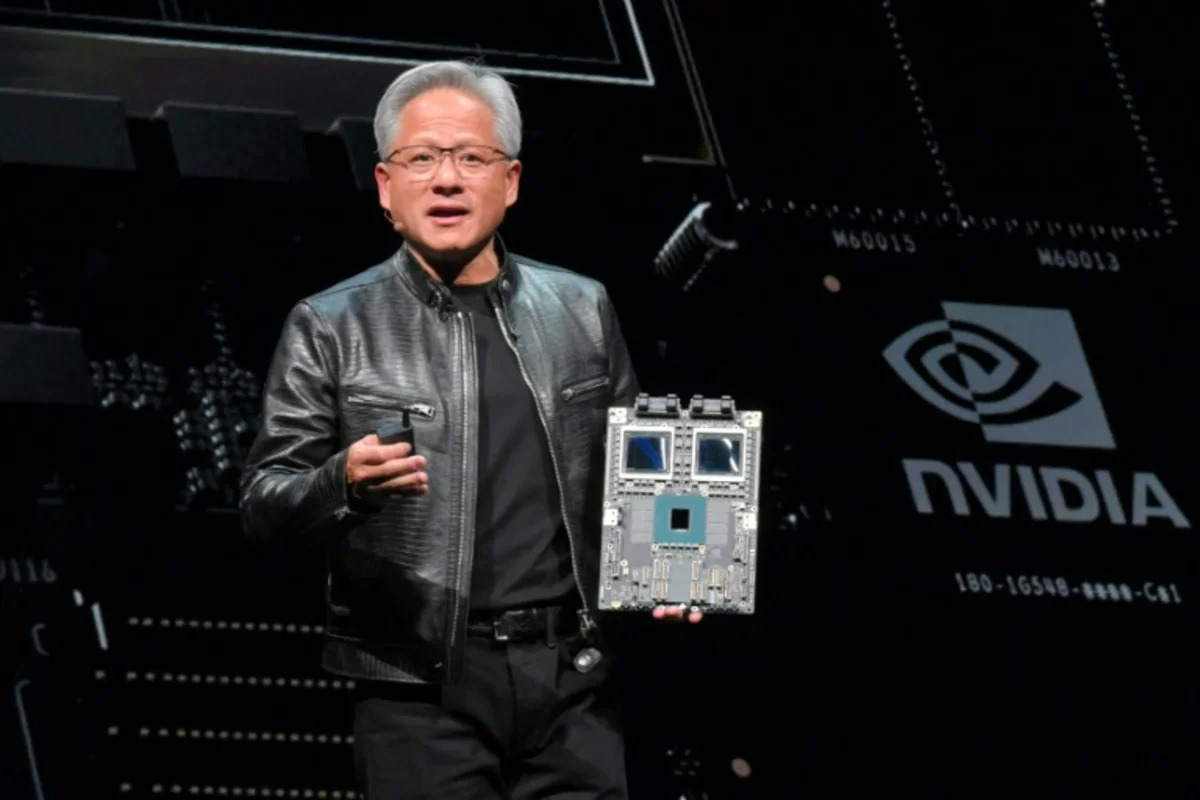
The graphics processing unit (GPU), also known as a graphics card, functions as a computing unit much faster and vastly more powerful than a conventional microprocessor (CPU).
It has become essential for managing user requests for generative AI in real time, as these require processing vast amounts of data.
According to the research firm TrendForce, ChatGPT requires around 30,000 GPUs to operate. Google, for its cloud computing business, is also a major consumer of Nvidia processors, as are Microsoft and Amazon Web Services.
Co-founded in 1993 by three former employees of major IT companies -- Jen-Hsun Huang (who now goes by Jensen), Chris Malachowsky and Curtis Priem -- the company took a while to decide on a name.
In a 2017 interview with US magazine Fortune, Huang explained that the name "Nvidia" comes from the letters N and V, which they used in their file names to stand for "Next Version."
They selected the Latin word "invidia," meaning envy or jealousy, as their company name, albeit omitting the initial "i".
"Invidia" can also be associated with the concept of the "evil eye," a curse cast via a single glance. That meaning is suggested in the company's logo, a stylized green and white eye.
After its launch, Nvidia became the first company entirely dedicated to graphics processors, hoping to ride the video games wave as they started to feature more sophisticated animation and 3D graphics.
Nvidia launched the world's first GPU back in 1999, and amid the internet revolution it developed processors tailored for data center infrastructure that enabled companies and also individuals to access computing power previously the preserve of a handful of researchers and major technology firms.
Nvidia's two main rivals in the graphics card market are the American companies AMD (Advanced Micro Devices) and Intel, both of whom boast longer histories.
According to Jon Peddie Research, Nvidia accounted for approximately 90 percent of standalone GPUs shipped worldwide in the first quarter of this year.
Nvidia designs its chips but does not have its own manufacturing facilities, unlike AMD, making it a "fabless" company whose products are made by TSMC in Taiwan -- where Huang was born.
After briefly taking the top spot in 2024 as world's most valuable company by market capitalization, Nvidia has since vied for that honor with fellow US giants Apple and Microsoft.
It posted net profit of $120 billion for its last fiscal year to January 25, 2026, as revenue reached a staggering $216 billion.
Huang has said he sees annual revenue surging to $1 trillion through 2027.
Huang, who has spent more than 33 of his 63 years as Nvidia's only CEO ever, has an atypical image of a boss with his dry humor and laid-back style.
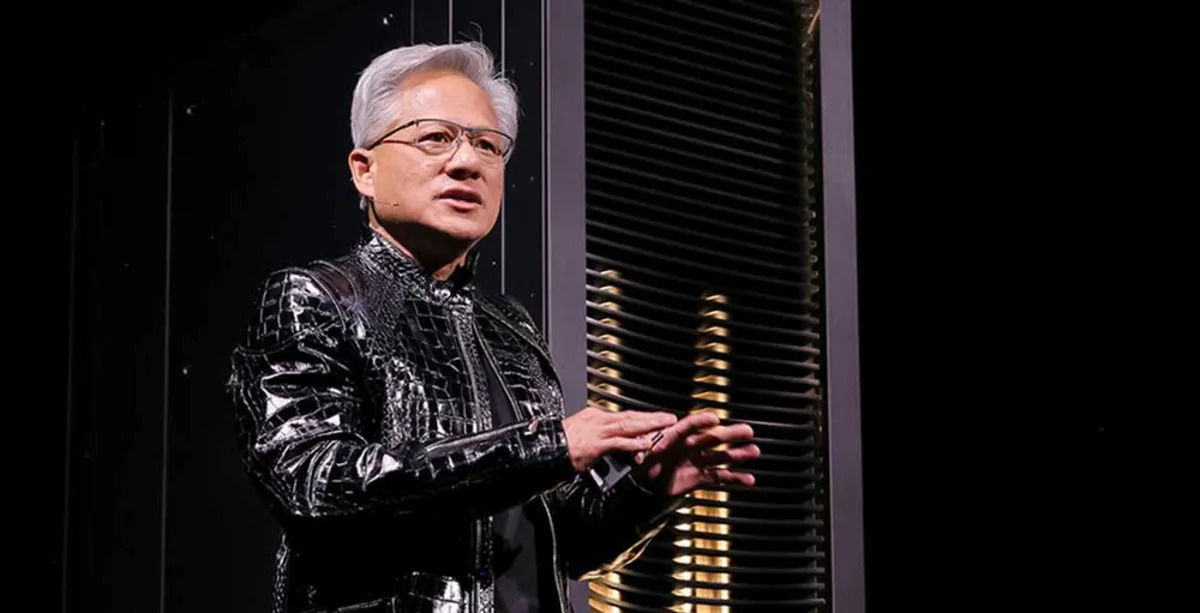
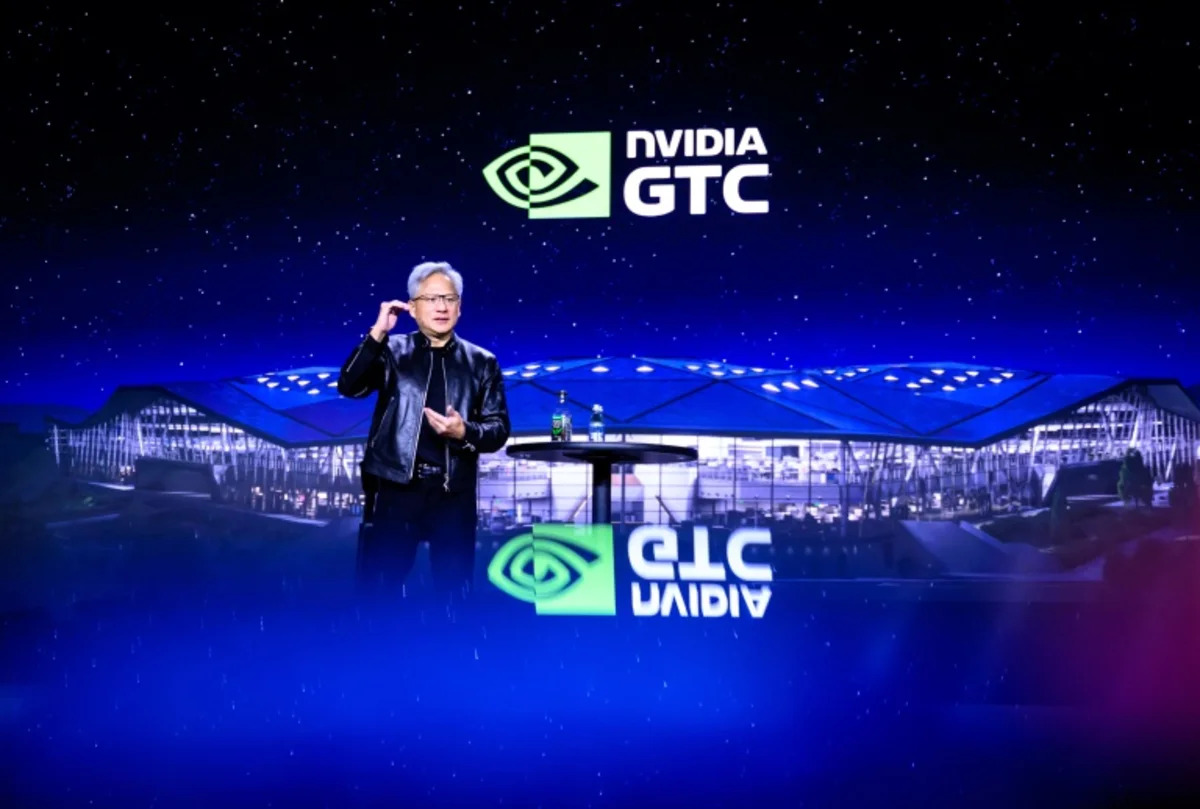
Whereas Apple's Steve Jobs had his turtleneck, Huang's signature is the black leather jacket he often sports during Nvidia presentations.
Shortly after the company's founding, Huang turned down a contract with the video game console maker Sega to pivot toward a new processor capable of competing in the personal computer market, narrowly avoiding bankruptcy along the way in the mid-1990s.
In recent years, Huang has become one of the AI industry's most influential voices, strongly advocating for so-called "open" models that can be freely reused and modified -- including those from China.
He views such models as providing healthy competition to the closed models from OpenAI (ChatGPT) and Anthropic (Claude).