Michael Burry has a surprising new take on Nvidia stock Hillary Remy, Celine Provini Wed, November 11, 2026 at 9:37 PM EST 5 min read NVDA -3.95% Trade NVIDIA on Coinbase Trading disclosure Trading disclosure The above button links to Coinbase. Yahoo Finance is not a broker-dealer or investment adviser and does not offer securities or cryptocurrencies for sale or facilitate trading. Coinbase pays us for certain activity generated through this link. Prices displayed are informational.
"The Big Short" investor Michael Burry has spent much of this year betting against Nvidia, so it says something when he admits the sell-off is getting hard to ignore.
"I am not tempted as a long-term hold from here, but I imagine the whole market is going to think this is a heck of a trade fairly soon," he wrote late on Nov. 10 in his Cassandra Unchained Substack post.
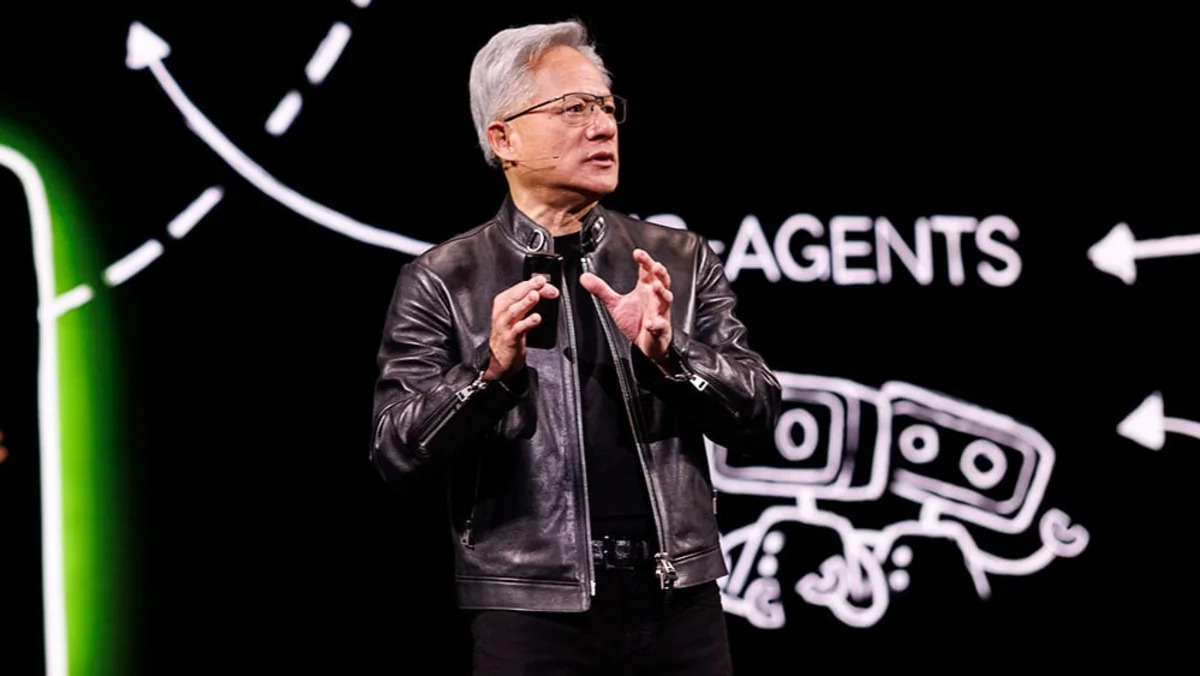
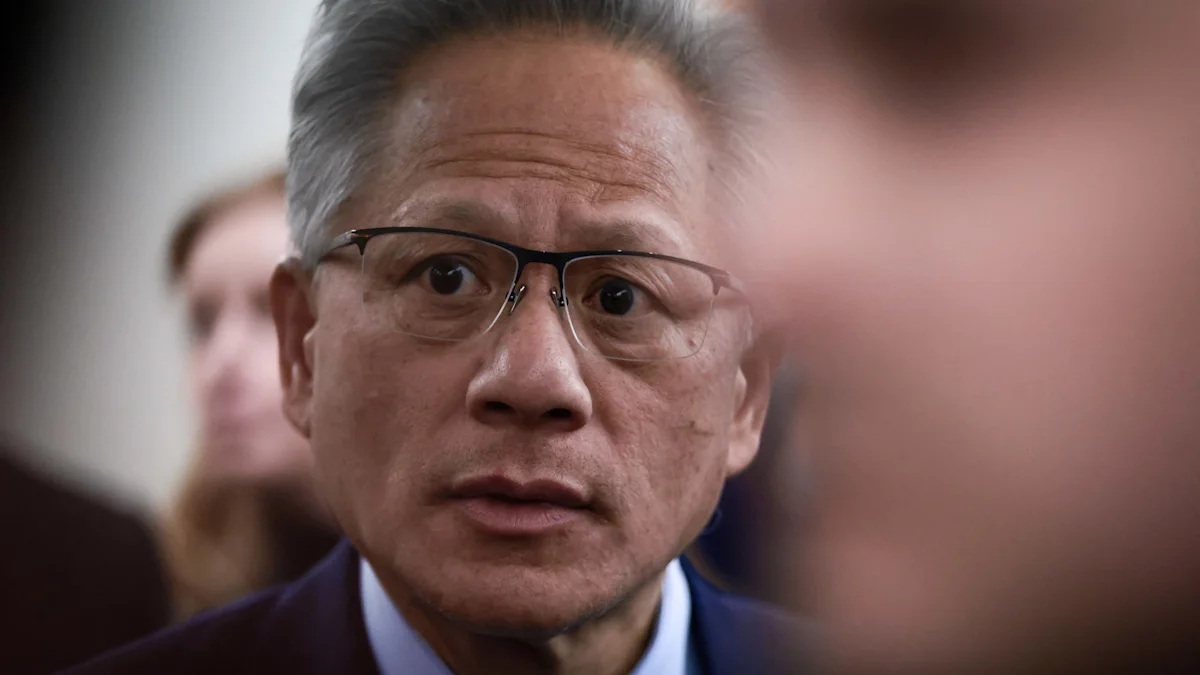
That is not quite a change of heart. Nvidia slipped into a bear market on Nov. 9, more than 25% below its October record, as its board looked into reports involving CEO Jensen Huang.
Burry sees a bounce coming, but he is still not convinced the stock is worth owning for the long haul.
Burry does not expect the Huang controversy to do much damage to Nvidia's business. His bigger worry is how long the chipmaker can stay on top.
"I believe Nvidia's competitive advantage will shrink over the next five years," he said, warning that closer scrutiny of Nvidia's China chip trade and its dealings across the AI industry could speed that up.
Also read: Goldman Sachs sees something Wall Street may be missing on Nvidia
He has been building that case for months. In August, Burry pointed to AI chip startup Etched as "serious competition for NVDA," a sign he sees the competitive threat to Nvidia as real.
Nvidia's CUDA software still makes switching costly, though, and the chipmaker holds roughly 80% of the AI GPU market.
Burry has also been careful about how he bets. Before Nvidia's August earnings, he bought December call options while adding to his short position, describing the calls as a hedge rather than a bullish wager. "I am not playing for gains here," he wrote.
By late September, he had shifted tactics again. Burry closed outright shorts in Nvidia and several other AI names, replaced most of them with put options, and said he was "moving timelines up," warning that the AI bubble may burst sooner than he had previously expected.
The latest drop in Nvidia has little to do with demand for its chips. Its board launched an independent investigation after reports that Huang was the target of a foreign intelligence effort, though it said it had no reason to believe national security or company secrets were compromised.
The story has kept growing. Reports linked a network connected to the woman at the center of the case to the movement of Nvidia chips to Chinese firms, and the stock was trading at $177.72 early on Nov. 10, Reuters reported.
That is exactly the kind of China scrutiny Burry thinks could chip away at Nvidia's lead.
Washington is watching closely as well. Three Republican House committee chairs asked Huang to attend a closed-door briefing on Nov. 18, and Sen. Elizabeth Warren (D-Mass.) said Huang "owe[s] Congress answers," according to Benzinga.
The business itself has not slowed down yet. Nvidia reported second-quarter revenue of $96.2 billion, up 106% from a year earlier, and guided for about $108 billion in the third quarter. Those results are due on Nov. 17.
Michael Burry's deeper concern is the money being spent on Nvidia's chips. In September, he estimated that Amazon, Meta, Alphabet, Microsoft, and Oracle had made lease and purchase commitments that had yet to start, and put the total above $3 trillion once off-balance-sheet guarantees were included.
He also worries that the equipment loses value before it is ever used. "Nvidia chips may be economically depreciating waiting in warehouses while GAAP depreciation remains at zero," Burry wrote.
"When the music's over, these off-balance-sheet commitments become real liabilities very quickly." He stressed that he was not alleging fraud.
Nvidia has pushed back hard. After the company argued that its AI infrastructure keeps its value beyond accelerated depreciation schedules, Burry countered that "strong rental demand does not prove a chip is not still losing economic value quickly behind the scenes."
Nvidia, however, told analysts that a two- to three-year life for its chips "is simply wrong."
Microsoft just gave Nvidia shareholders a reason to pay attention
Nvidia has a stake in SpaceX that came from an unexpected place
Nvidia's $12.9 billion deal could shape the AI apps you use
Huang has made the case himself. "NVIDIA compute is fungible, durable and highly rentable. It is a productive, revenue-generating asset," he wrote in a post on X.
He later shared data showing H100 rental prices rising, prompting short seller Jim Chanos to fire back, "Then why not rent them out yourself?"
For now, Burry's biggest bets are far from Silicon Valley. MercadoLibre and Australian furniture retailer Temple & Webster each make up more than 10% of his portfolio, and he has added to MercadoLibre twice below $1,500.
"I expect to make another buy if it gets 20% lower from here," he said, as StockTwits noted. He also holds puts on the Nasdaq-100, a semiconductor ETF, Oracle, and Palantir.
He has been buying beaten-down names, too. Burry added to Adobe and JD.com, calling JD's stock "forgotten and far too cheap," while he sees Adobe's buybacks supporting the shares at current prices.
Buybacks could also matter for Nvidia. The company approved $150 billion in new repurchases in September, bringing its remaining authorization to $235 billion. Still, Burry noted that buybacks like that are "more common overseas now than in the U.S."
With earnings on Nov. 17, investors will soon find out whether the trade Burry sees arrives before his long-term doubts catch up with the stock.
Related: Jim Cramer sends a strong signal to Nvidia stock investors
This story was originally published by TheStreet on Nov 11, 2026, where it first appeared in the Investing section. Add TheStreet as a Preferred Source by clicking here.