Personal Finance / Investing Some offers on this page are from advertisers who pay us, which may affect which products we write about, but not our recommendations. See our Advertiser Disclosure.
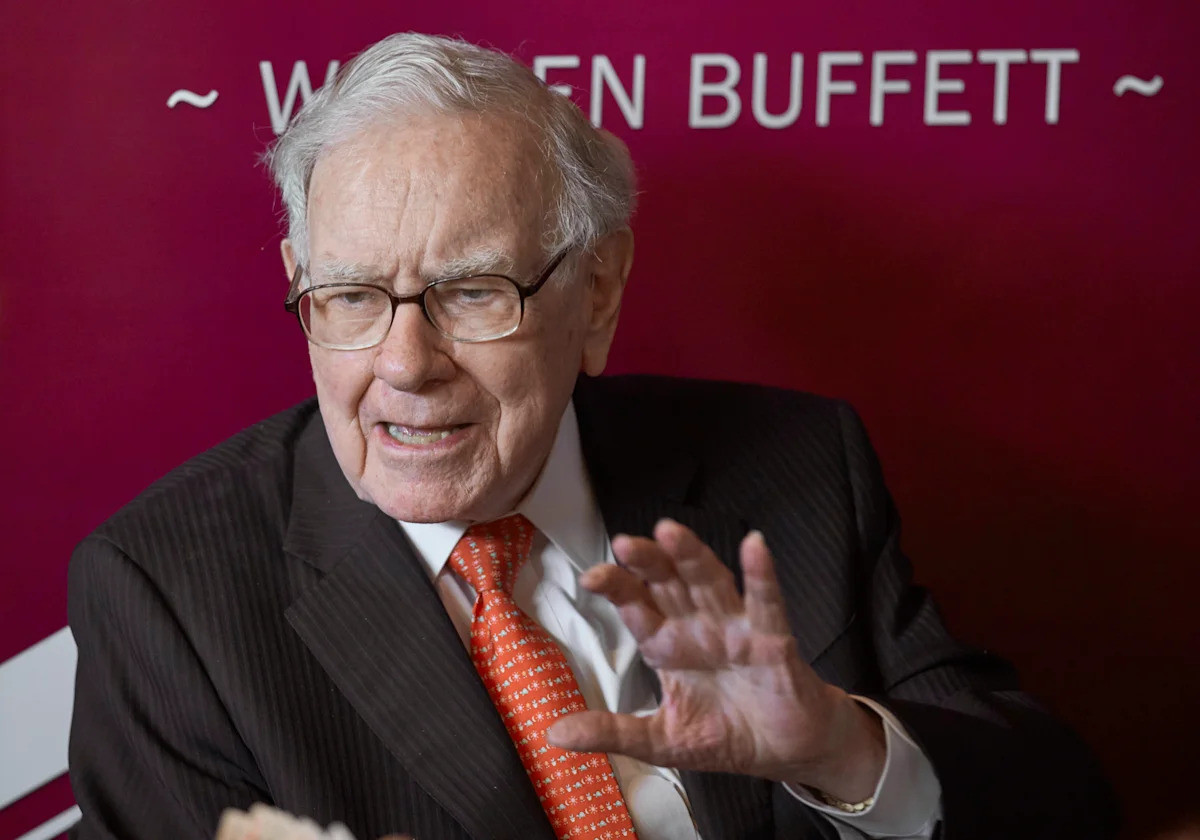
Warren Buffett's 90/10 rule to invest for retirement: Does it still work? Hal Bundrick, CFP® · Senior Writer Wed, November 11, 2026 at 9:00 AM EST 3 min read When people discuss investment strategies, Warren Buffett's name is likely to come up.
One of America's most successful investors, Buffett generated an average annual return of nearly 19% for Berkshire Hathaway shareholders over more than 60 years. That's well above the S&P 500 index's (^GSPC) nearly 11% gain over the same period.
His philosophy: Buy undervalued stocks for companies with strong financial fundamentals.
However, for the average investor, he recommends just the opposite. For those who don't have the time or inclination to research companies and maintain a portfolio, he suggests low-cost index funds and what many experts might consider an aggressive allocation: 90% in equities and 10% in short-term government bonds.
Can the typical, novice investor stick to the high commitment to equities that the 90/10 portfolio advises when the market is down sharply?
Read more: Create a stock investing strategy in 3 steps
Ryan Dykmans, CFA, president and chief investment officer at Dunham & Associates Investment Counsel in San Diego, believes the 90/10 portfolio may be best for a certain kind of investor.
"I have a great deal of respect for Buffett, but the 'average' investor may not have Buffett's time horizon, liquidity, or temperament and discipline," Dykmans told Yahoo Finance. "For a younger investor with decades ahead and the ability to remain invested, a 90/10 allocation could maximize long-term gains. But for someone nearing retirement, drawing income from the portfolio, or likely to lose sleep and force an emotional strategy change during a major decline — it may be too aggressive."
Higher equity exposure may improve long-term return potential, he added, but also comes with sharper drawdowns. "Ultimately, the right allocation has to fit the individual investor, including not only their ability to take risk, but also their willingness to take risk."
He said there is also a "human side" to consider.
"Research shows people feel losses much more harshly than equivalent gains — the old adage of 'the pain of a loss outweighs the joy of a gain.' That reaction can become even more powerful during a major market decline when an investor is 90% invested in stocks."
Dykmans believes the best allocation is one an investor can live with and stick to even when the market news is at its worst.
Buffett's take on down stock markets is often quoted: "You want to be greedy when others are fearful. You want to be fearful when others are greedy."
"It addresses the hardest part of investing — managing emotions. We believe discipline matters most when markets are testing it," he added. "I would also add two more Buffett principles: 'Look for a margin of safety, and do not confuse a rising price with lower risk.' Markets can become overly optimistic or overly pessimistic. A sound process helps investors avoid chasing either extreme."
Buffett also stressed that the most important quality for an investor "is temperament, not intellect."
Also read: Here's what to do with your retirement savings in a market sell-off
"Following those rules, the 'know-nothing' investor who both diversifies and keeps his costs minimal is virtually certain to get satisfactory results," Buffett wrote in his 2013 letter to Berkshire Hathaway shareholders. "Indeed, the unsophisticated investor who is realistic about his shortcomings is likely to obtain better long-term results than the knowledgeable professional who is blind to even a single weakness."
Keep track of your finances for free with My Money