South Korean import sales surge 29% in October Mercedes-Benz’s newly launched battery-powered GLC · Just Auto GlobalData Wed, November 11, 2026 at 5:49 AM EST 3 min read TSLA +2.10% 005380.KS -0.91% Trade Tesla on Coinbase Trading disclosure Trading disclosure The above button links to Coinbase. Yahoo Finance is not a broker-dealer or investment adviser and does not offer securities or cryptocurrencies for sale or facilitate trading. Coinbase pays us for certain activity generated through this link. Prices displayed are informational.
Sales of imported light passenger vehicles in South Korea increased by 29% to 31,117 units in October 2026, up from 24,064 units in the same month last year, according to registration data released by the Korea Automobile Importers & Distributors Association (KAIDA).
Import sales have risen sharply this year, driven by strong local demand for battery electric vehicles (BEVs) and hybrid electric vehicles (HEVs). In the first ten months of 2026, deliveries surged by 25% to 310,846 units, up from 249,412 units in the same period last year.
Imports have also strongly outperformed sales by the country's five main automakers, which reported a 6.6% drop in combined sales to 1,059,895 units year-to-date, mainly due to a sharp decline at Hyundai, as the automaker struggled with supply-chain issues and industrial action this year, while some of the smaller manufacturers reported much sharper declines.
Tesla has been behind most of the import segment's strong growth this year, with deliveries surging by 105% to 98,313 units year-to-date, making it the leading import brand with a 32% share of segment sales.
BMW slipped into second place after its sales declined slightly to 63,562 units in the ten-month period, while its Mini subsidiary saw its sales rise by 8% to 6,770 units. Together, the two brands accounted for 23% of total import sales. BMW recently introduced its new battery-powered iX3 SUV, based on the company's new 'Neue Klasse' platform.
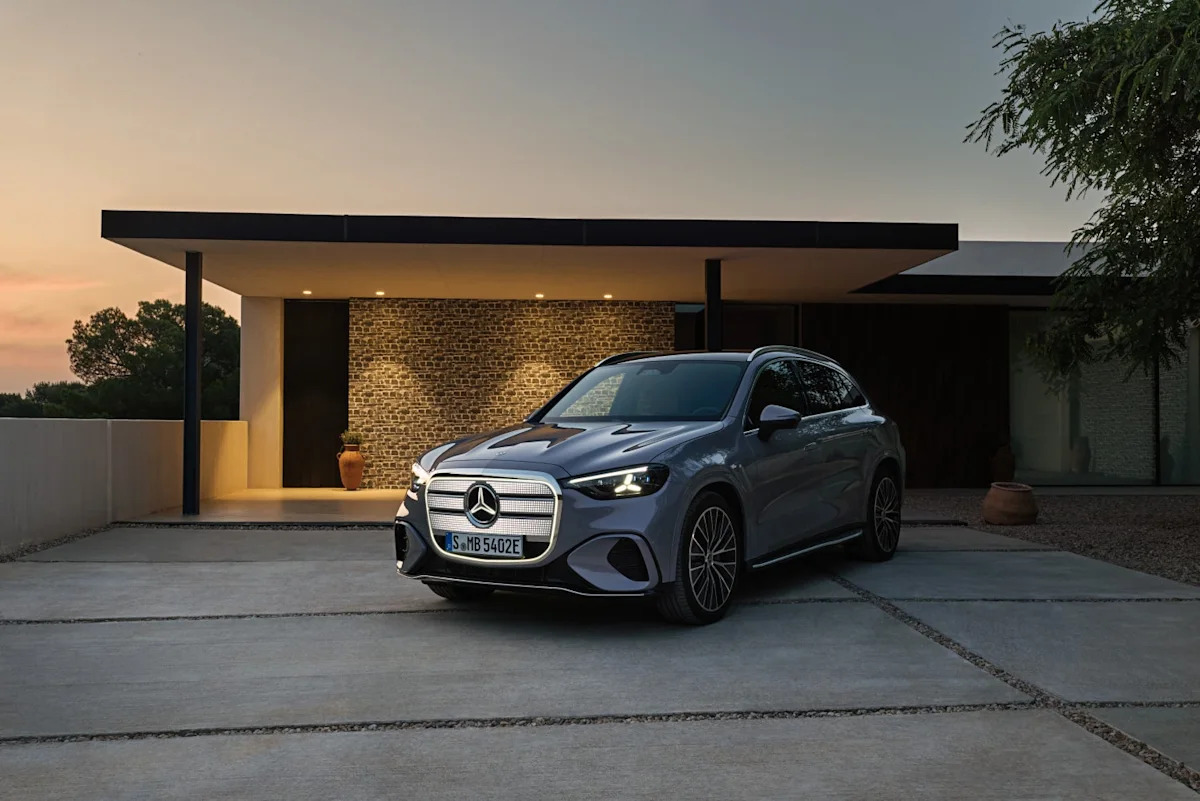
Mercedes-Benz's sales fell by almost 8% to 49,993 units year-to-date. The German automaker, which led the South Korean import segment just a few years ago, has stepped up its new product offensive with the launch of the all-new electric CLA sedan and GLC SUV, as part of plans announced earlier this year to launch ten new and facelifted models in 2026.
Volkswagen Group reported a slight sales decline to 23,733 units year-to-date, despite a 9% increase in Audi sales to 10,443 vehicles. Porsche, which saw its sales fall by 18% to 7,341 units, has expanded its sales network this year. Toyota's sales rose by 1% to 9,551 units, while its Lexus division reported a 2% decline to 12,543 units.
BYD has made strong inroads into the South Korean market in the last year, with sales jumping sixfold to 21,731 units in the first ten months of 2026, despite the company failing to qualify for BEV incentives under the government's new points-based system announced in July. The automaker has indicated that it will focus more of its efforts on the plug-in hybrid segment in its pursuit of further growth, starting with the recent launch of the Sealion 6 Dual Mode Intelligent (DM-i) plug-in hybrid model.
"South Korean import sales surge 29% in October" was originally created and published by Just Auto, a GlobalData owned brand.