China’s demand for passenger jets is genuine – but so is its aim to build a commercially credible aviation industry
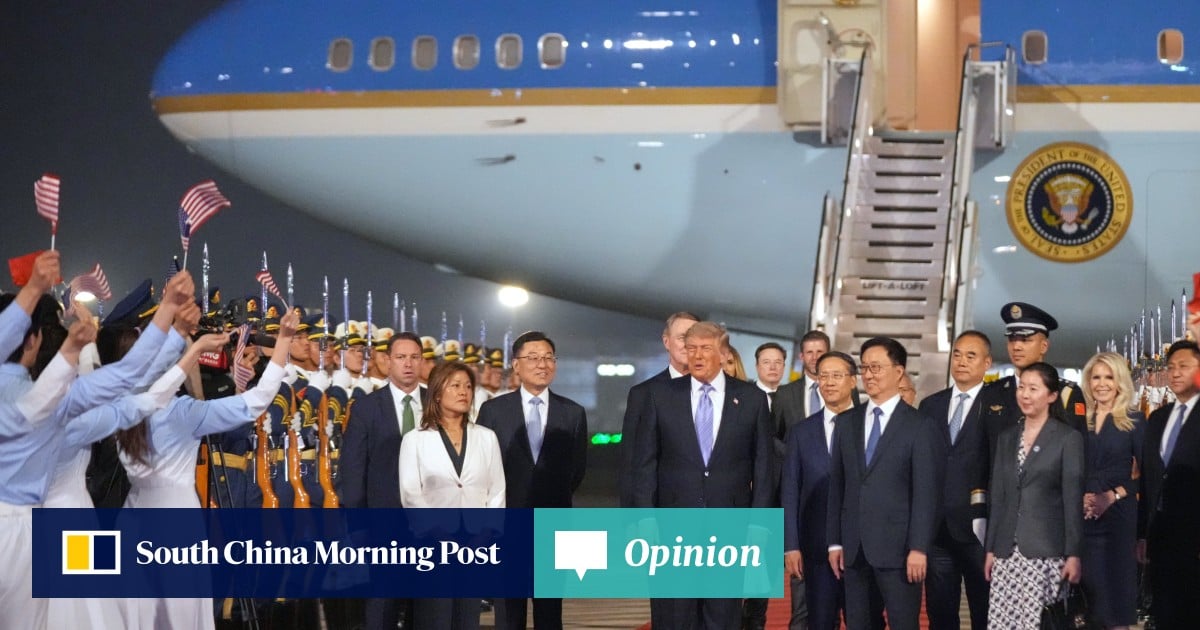
3-MIN READ3-MINTang Meng KitTang Meng Kit is a Singaporean freelance analyst and commentator who works as an aerospace engineer. Published: 9:30am, 22 May 2026When Air Force One touched down in Beijing, one of the most photographed passengers was Boeing’s chief executive, Kelly Ortberg, there to close a deal. Washington had come to sell aircraft. Beijing was buying something else.The last time this scene played out in 2017, China signed an agreement for 300 Boeing aircraft. Since then, it has pursued an industrial programme aimed at reducing dependence on precisely such orders. That effort has not failed, but neither has it advanced at the pace imagined. The gap between delay and abandonment is what gives last week’s agreement significance.China needs Boeing aircraft. Passenger demand continues to grow across major cities and regional hubs: Chinese airlines require hundreds more narrowbody jets over the coming decade. Commercial Aircraft Corporation of China (Comac), the state-backed maker of the C919, remains years from matching Boeing or Airbus in manufacturing depth and global service capability. Production ambitions still exceed deliveries, with Comac depending heavily on foreign components and technical expertise.AdvertisementBeijing is aware of these constraints. Civil aviation cannot be subordinated to industrial ambition alone. Airlines require reliable aircraft to sustain tourism, logistics and domestic mobility. Boeing and Airbus remain operationally indispensable, whatever the longer-term trajectory.
Yet Chinese industrial policy has long accepted short-term dependence as the price of longer-term autonomy. Boeing orders stabilise fleet expansion while easing pressure on a more difficult question: whether China can build a commercially credible aviation industry before external conditions become more restrictive.