Add The New York Post on Google Every new technology brings fears. No sooner were the printing presses invented than people were smashing them up. Industrialization brought its own opponents. And in our own time everything from smartphones to cryptocurrencies have had their naysayers.
But there is a growing backlash to one particular technology that is going to define our era: AI.
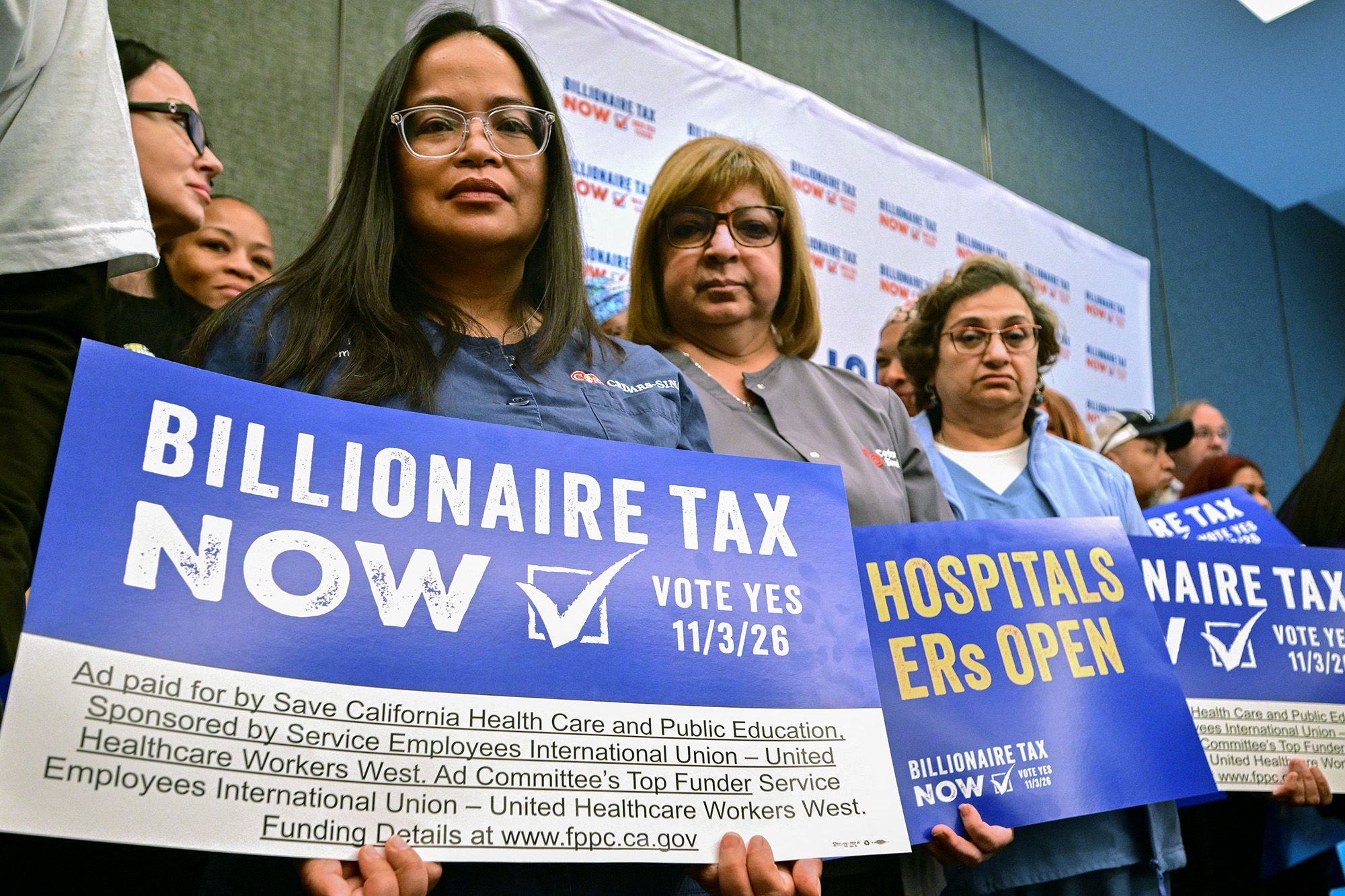
Just this week Eric Schmidt — the former CEO of Google — was booed by students during a commencement speech at the University of Arizona. Other students, in Florida and Tennessee, have also protested against the changes that AI is likely to bring to their work lives.
Nobody should be surprised that students might dislike being told that many of their expensively-acquired skills are about to become useless. Or that the careers they were being lined up for are going to be taken by the machines.
Who knows, perhaps some of these students will go out and attack data centers just as some farmers attacked the new farming machines two hundred years ago?
But just because all change brings out opponents does not mean that all opposition is wrong.
This is the delicate balance that the White House has been grappling with this week.
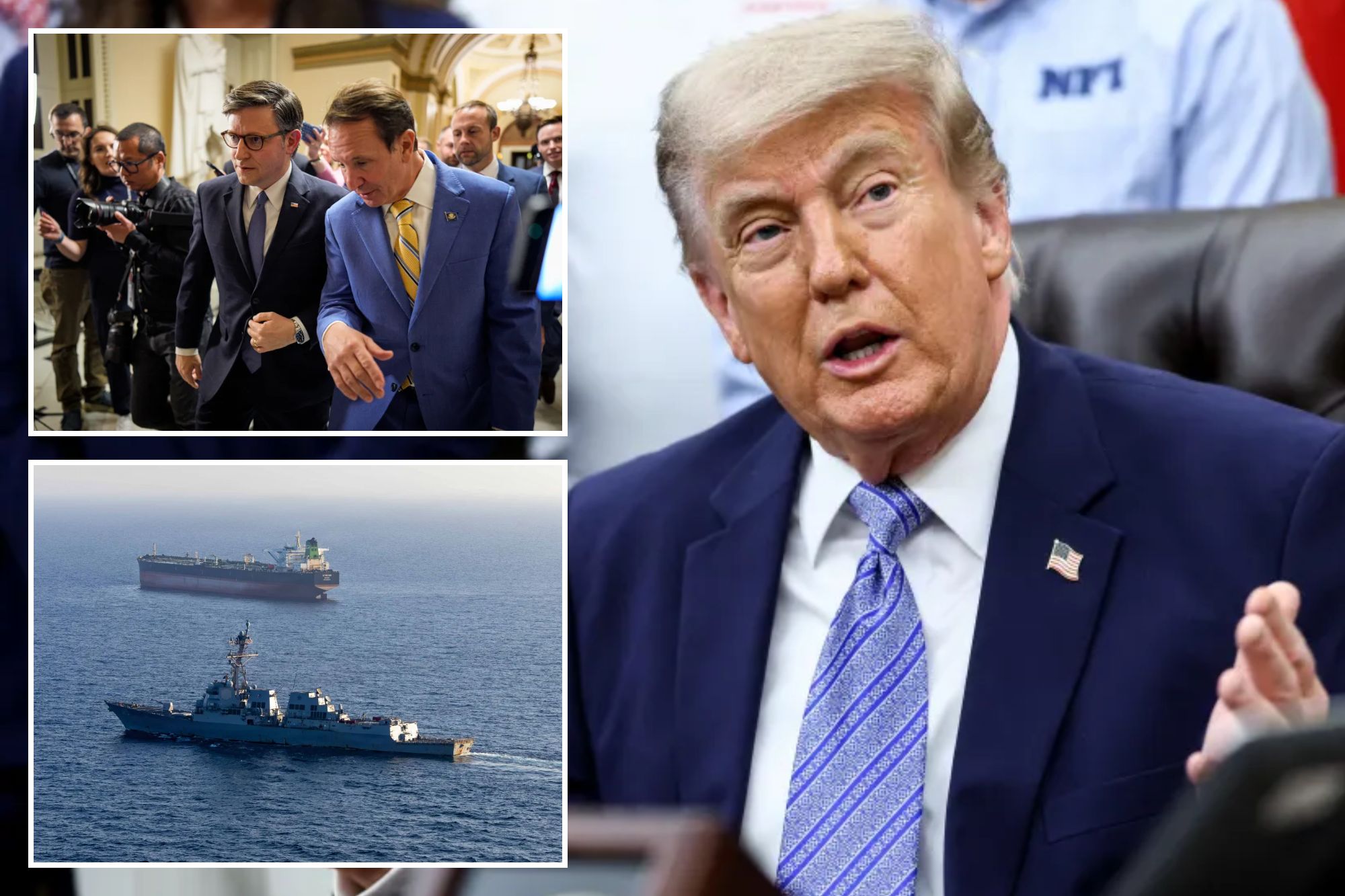
On Thursday, the President was meant to sign a new executive order on AI. The order would have give the US government the right to evaluate new AI models before they are released — though voluntarily.
Some people in the administration think that more government oversight is necessary. Others believe that the need for government oversight (itself never the fastest machine in the world) will slow American innovation.
Both points of view have merit. Which is why it was sensible of the President to postpone his announced signing. He knows the challenge.
On the one hand, there is the risk of AI letting rip without thought for the consequences. On the other there is the risk that America’s competitive advantage will be lost and that other countries will make the inevitable advances anyway.
Some of this may still sound abstract. But it isn’t going to be for very much longer.
I’ve been thinking about this in recent months because AI started coming for me.
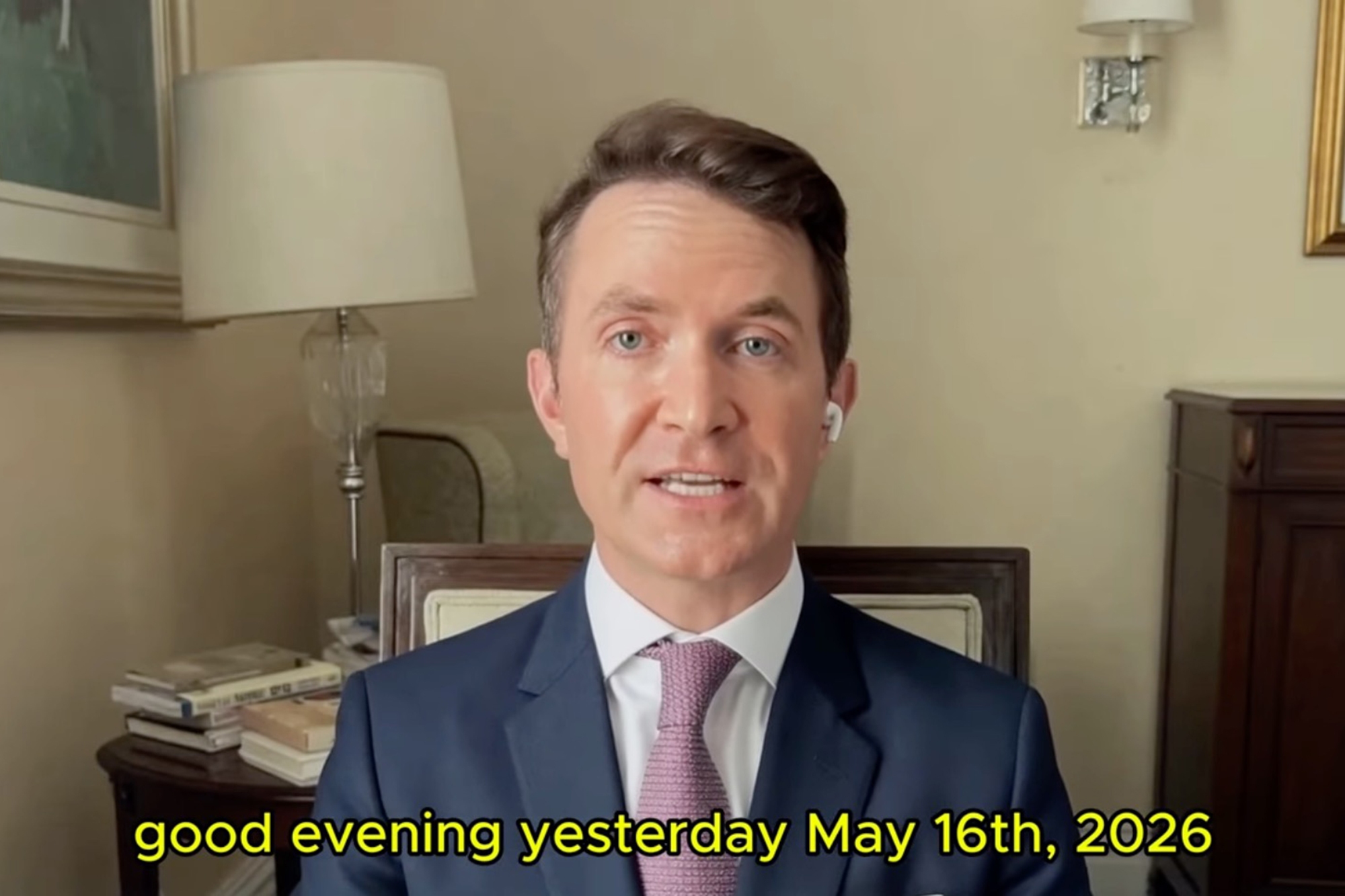
Earlier this year readers and friends started to alert me to the fact that new videos were appearing online purporting to be from me. These videos included me speaking about things I haven’t spoken about. The main culprit is YouTube — a company which a lot of people in the media have long had a problem with.
For years the owners of YouTube have been able to make themselves rich by allowing their platform to break the copyright laws. Musicians, authors and others have often just had to sit back and take it as their content gets ripped from their hands, posted on YouTube and left there to make everyone but the initial creators rich.
But now there is a new model. Which is that people are making themselves and YouTube rich by ripping content, putting it through various AI models and then posting it as though it is original content.
I have found this a very personal warning about the world we are all about to step into.
When I looked at the first AI videos of me I saw that the backdrops tended to be backdrops I’ve sat in front of before. And the words tended to be similar to words that have come out of my mouth or pen. They were presented as though they were original content, but it didn’t especially bother me. Because as I watched the strangely jilted and robotic version of me speaking I thought “Well at least anyone watching will know this is AI.” At least I hoped so.
But with almost every week the technology seems to have been getting better.
This week saw a marked development for me when a number of friends reached out and said “great new video.” But I hadn’t made a new video. What was going on?
I looked and lo-and-behold there on YouTube was another set of videos — garnering some hundreds of thousands of views — of me saying things I hadn´t said. About events I haven’t commented on. In videos I hadn’t made.
And that is the moment where things start to get uncanny.
Because whoever makes these videos knows how to approximate what I might say.
They know not to stretch their luck and make videos of me saying how much I love communism or how great Mayor Mamdani has been for New York.
But the point is that it is close enough. While not being close at all. And not involving me at any point in the process. In just a couple of months the technology has gone from being bad enough for most people to notice it’s a fake to being good enough to fool even some of my closest friends.
Needless to say I don’t see why people and companies should be able to make money off faked-up AI slop.
But I mention this not because it is unusual but because it has become so normal. And because it is something that we are all going to have to start thinking about.
Like many others I have lately started to get the feeling with AI that the treadmill we are on has been set to a speed just slightly faster than we can run.
Of course it is like this to some extent with all new technologies. But this one just seems to be making us have to learn and adapt faster than many of us are comfortable with. We are entering a world, after all, where people with no public profile and no internet history could have a version of themselves put online saying things they have never said and they will have no way of correcting.
I am not certain I know what the answer is. But in the meantime if you do see a video of me praising democratic socialism, please know that it’s not me.