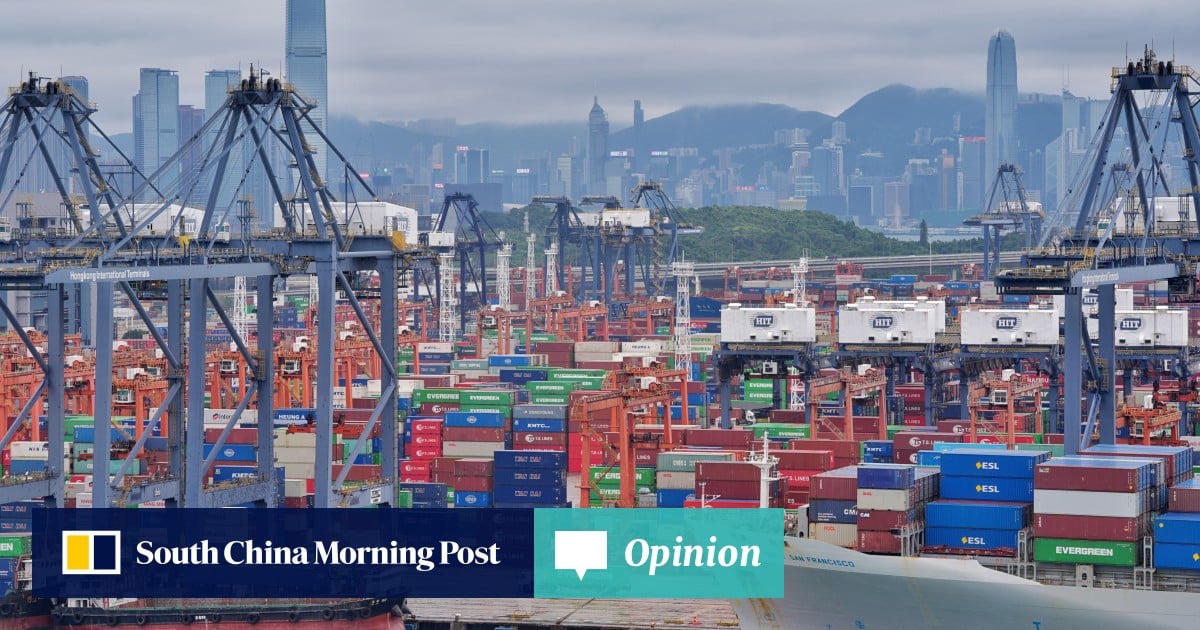
Marine insurance is part of the power structure in global shipping. It reveals a real gap China still faces, which Hong Kong can fill
3-MIN READ3-MINEdward LiuEdward Liu is a partner at Haiwen & Partners and a leading lawyer in international arbitration, commercial litigation and maritime law Published: 4:30pm, 20 May 2026As conflict in the Middle East sends marine insurance costs surging, Hong Kong has an opening to prove that it is more than a port city by becoming a trusted centre for risk pricing, legal certainty and maritime resilience.When tensions rise in the Middle East, the first signs of trouble in global shipping do not always appear at sea. Often, they appear in the insurance market. Premiums jump. Underwriters retreat. Shipowners rethink routes. Long before a vessel is struck, the cost of moving goods already changes.That is why Hong Kong’s efforts to build a war-risk insurance mechanism for shipping deserve more attention than they have received. On the surface, this looks like a specialist insurance story. In reality, it points to a larger question: who has the institutional capacity to keep trade moving when private markets turn defensive?
That question matters especially for China, the world’s largest trading nation, and for Hong Kong, which has spent years trying to define what remains distinctive about its role as an international shipping centre.