Leonard Hyman & William Tilles Mon, November 9, 2026 at 1:00 PM EST 6 min read MSFT +2.73% ETR +1.54% NVDA -5.72% Explore stocks on Coinbase Trading disclosure Trading disclosure The above button links to Coinbase. Yahoo Finance is not a broker-dealer or investment adviser and does not offer securities or cryptocurrencies for sale or facilitate trading. Coinbase pays us for certain activity generated through this link. Prices displayed are informational.
Let's begin with a question. "How would an average-sized human fare in a 'negotiation' with a six-ton Tyrannosaurus Rex?" Obviously, the interaction would end with the human serving as a high-protein snack. The T-Rex weighs 75 times more than the average person. With that kind of weight disparity, there is no "negotiating," just a stomp and gulp.
Something analogous may be in store for the electric industry: a T-Rex
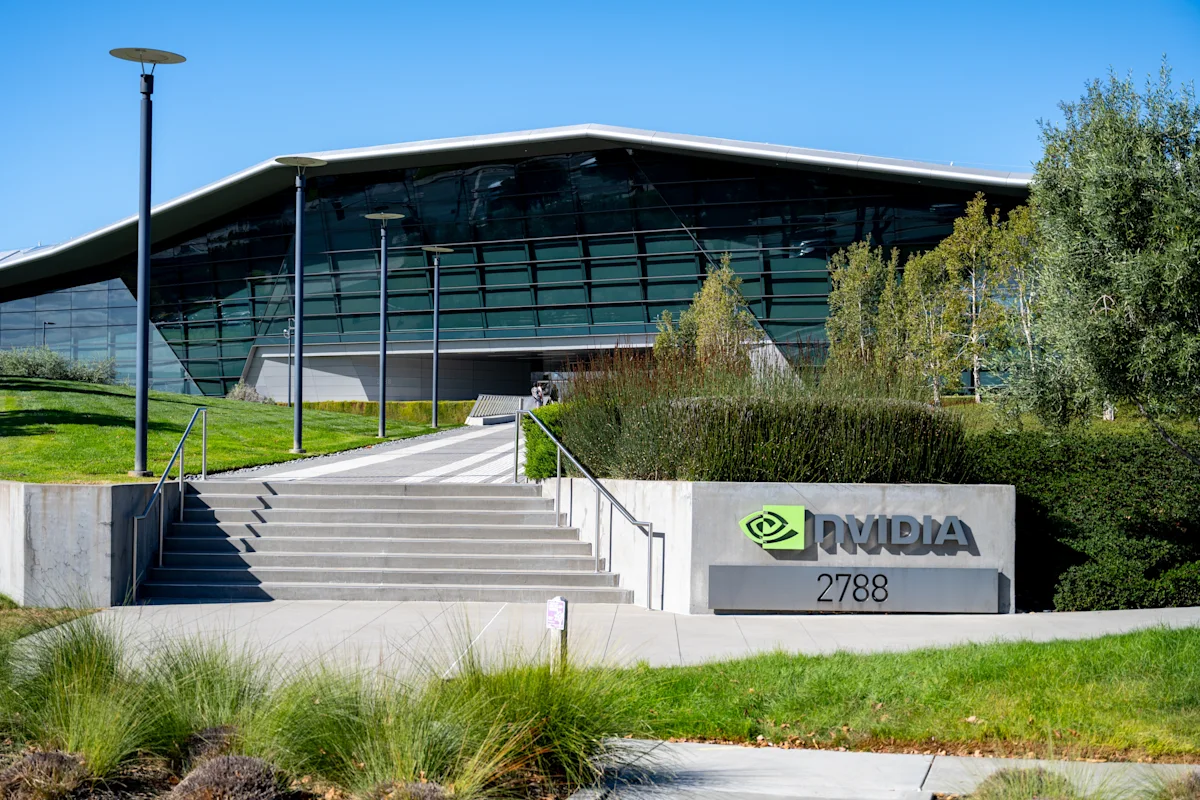
scenario. In negotiating with prospective data center owners, US utilities are puny in size compared to giant technology corporations. A large US electric utility, such as Entergy or Dominion Resources, has a market capitalization of $50-60 billion. Microsoft has a market capitalization of $3.8 trillion. (Nvidia is even bigger.) In fact, Microsoft by itself is more than three times larger than the entire U.S. investor-owned utility industry, which "only" has a market capitalization of $1.2 trillion. Looking at another way the S&P 500 information and technology sector comprises about 30% of the overall index. Adding in the related adjacent businesses puts overall technology at about 40% of the S&P index. Electric utilities make up 2% of the index. Our point here is simple. US technology giants, mimicking the apex carnivorous predator T Rex, will do whatever they want in the domestic electric power arena. And the utilities will be impotent to stop them. We may be witnessing an enormous, rapid expansion of non-regulated power generation to serve the exploding energy needs of the technology industry.
Consider the scale of this technology build-out. According to a recent article in American Compute, over two thousand facilities are under construction in five states: TX, VA, GA, PA, and OH. If you look at this map long enough, you begin to see why these facilities are where they are. And it's for only one reason: cheap natural gas. Mentally erase the state lines and think in terms of resource plays: Haynesville, Utica, Marcellus, Eagle Ford etc. The main input cost for these facilities, apart from computing hardware, is electricity. American Compute says that the goal is simple. Get cheap (and dirty) electricity at a hoped-for price of about 3-5 cents kWh—way below the average industrial rate of most utilities. That's why data center developers are salvaging old aircraft engines and repurposing them for power production.
But let's take a step back and ask a simple question. Why don't franchise-owning electric utilities install gas-fired combustion turbines (CTs), in many cases literally rebuilt aircraft engines, throughout their service territories to meet this huge new wave of demand for electricity? After all that's what some data center developers are doing. Apart from the fact that these new CTs pollute heavily (both particulates and CO2), from a utility perspective these relatively small machines are inefficient at converting fuel into electricity. The state utility commission that has to approve these things would never allow it. The industry uses two measures: heat rates and thermal efficiency to compare different types of power generation. The large gas fired combined cycle power plants favored by utilities have heat rates around 7,000 btus/kwh versus about 12,000 btus/kwh for simple cycle CTs. (With heat rates, lower is better, i.e. more efficient conversion of fuel to energy.) Comparing thermal efficiency tells the same story. Simple cycle turbines emit hot gases at about 1,000 degrees (F) while combined cycle units repurpose that waste heat to produce even more energy.
In the utility business, these small-size CTs are called referred peaking units. They are used to provide energy when more efficient resources are fully deployed. In a typical year, they run about 5% of the time and remain idle most of the year. The larger, more efficient combined cycle gas plants are designed to run for almost 70% of the year. Why would anyone build out a parallel electric grid in the US using relatively inefficient peaking plants instead of far superior base-load power plants? As many of our readers already know, the answer is time. It now takes about 5-7 years to build a new large power plant from scratch. And the costs have more than doubled. Large turbines from the likes of GE Vernova, Mitsubishi Power, and Siemens are all on back order. However, a truck mounted GE LM2500 aeroderivative CT can be up and running in months. Maybe sooner. Some developers are also combining an installation of these turbines and batteries.
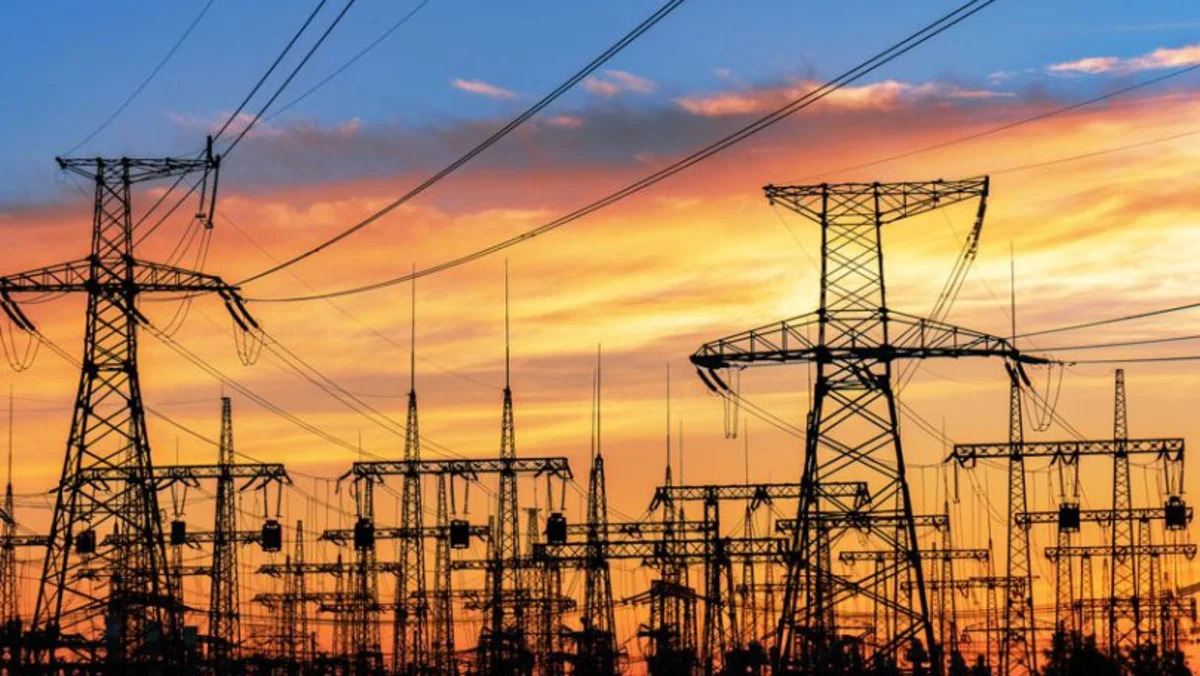
We've seen published estimates of 30 to 50 gigawatts of behind the meter power production at data centers within five years. For comparison, this would mean adding new power generation roughly the size of Southern Company's regulated generating fleet (46 gws). And since these CTs are for powering data centers, we already know where they will be located: Texas, Virginia, Georgia, Ohio etc. If there is a meaningful downturn in the data center business, won't these developers try to sell their excess power to the grid? This will be a new source of competition for US electric utilities in those areas. We doubt anyone is discussing this yet. However, our technology "T-Rexes" have been permitted to literally stomp on environmental regulations. If environmental concerns reassert themselves, this could impose constraints on the newly emerging parallel grid. If future environmental rules shut down the dirty generators, who will provide electricity to the AI centers? The grid? Close down the data centers or make utility customers foot the bill? Are we back to that, again?
That's the T-Rex scenario. Robust enforcement of antitrust and environmental laws, less political deference to the AI giants, energy-efficient AI, bursting of the AI bubble, or some other unexpected event could change the picture. After all, the dinosaurs were highly successful until that meteor landed at Chicxulub and wiped them out. Almost as unlikely an event as electing a Democrat in Kansas. No prediction intended, of course. We are not prophets
ONGC Moves to Take Over Venezuelan Oilfields, Recover $500 Million
IEA Backs Electrification Efforts at COP31 Climate Summit
Oil Sinks to $94 as Iran's $8 Billion Hormuz Deal Heads to Trump
Oilprice Intelligence brings you the signals before they become front-page news. This is the same expert analysis read by veteran traders and political advisors. Get it free, twice a week, and you'll always know why the market is moving before everyone else.
You get the geopolitical intelligence, the hidden inventory data, and the market whispers that move billions - and we'll send you $389 in premium energy intelligence, on us, just for subscribing. Join 400,000+ readers today. Get access immediately by clicking here.