Straits like Hormuz and Malacca are pressure points where commerce and power converge. What once defined success now defines vulnerability
3-MIN READ3-MINSyed Munir KhasruProfessor Syed Munir Khasru is chairman of the international think tank IPAG Asia-Pacific, Australia, with a presence also in Dhaka, Delhi, Dubai, and Vienna. Published: 5:30am, 20 May 2026US President Donald Trump’s visit to Beijing, at a time of rising tensions over Iran, sanctions, tariffs and Taiwan, shows how far the Hormuz crisis has travelled beyond the battlefield.What began as a regional war is now touching energy markets, currency politics and the balance of influence between Washington and Beijing. The US is trying to keep Gulf and Asian partners anchored to the US dollar system, while China continues to push for wider use of the renminbi in trade transactions.Whether diplomacy can prevent a wider economic rupture remains uncertain. But one lesson is already clear: the Strait of Hormuz is no longer just a regional security problem. It is a warning about every strategic chokepoint on which the global economy depends. Shipping security is hard power in real time, and strategic straits have become pressure points where geography, commerce and power collide. Nothing illustrates this more clearly than the Strait of Hormuz.
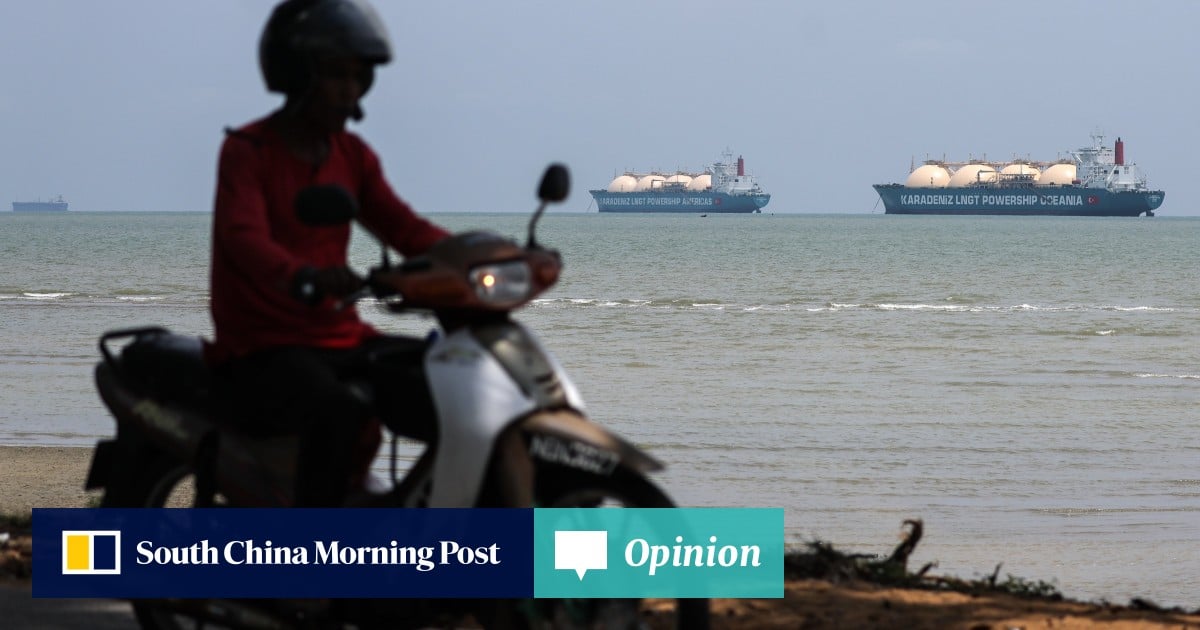
The International Energy Agency (IEA) estimates that around 20 million barrels per day of crude oil and petroleum products passed through Hormuz in 2025, roughly a quarter of the world’s seaborne oil trade, with about 80 per cent of those flows destined for Asia. Qatar and the United Arab Emirates rely on the route for liquefied natural gas exports, which together account for nearly a fifth of global LNG trade.
Hormuz disruption showed how quickly a chokepoint can become a macroeconomic event. Global oil supply fell by 10.1 million barrels per day in March, the largest disruption in history, as oil prices recorded their largest-ever monthly gain and North Sea Dated crude traded around US$130 a barrel, about US$60 above pre-conflict levels.