Research into the 2011 earthquake and tsunami shows fostering social connection and purpose helps survivors rebuild and staves off dementia
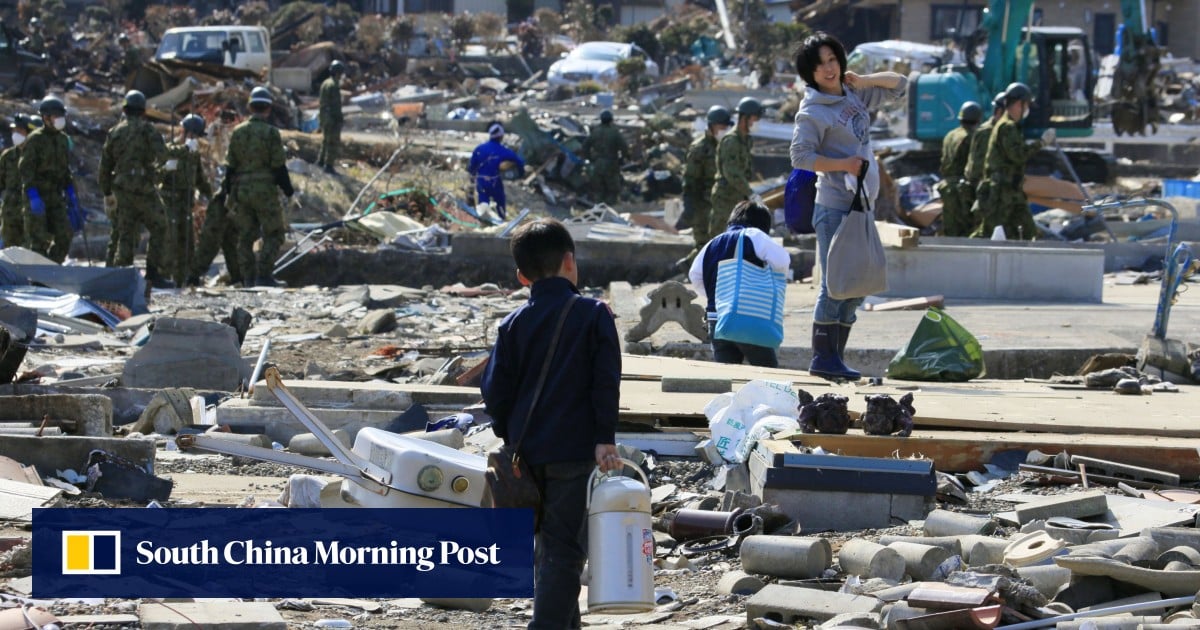
4-MIN READ4-MIN ListenJulian RyallPublished: 12:00pm, 16 May 2026As the ground shook beneath her feet and the powerful tsunami rolled in from the Pacific Ocean on March 11, 2011, Masako Saito feared for her coastal community. Saito’s entire family escaped from Soma City in Japan, where massive waves caused utter devastation, and she could not return to witness the chaos for herself until the following month.It was “beyond recognition”, according to Saito. The once-thriving community had been largely flattened, replaced by mounds of debris and fishing boats. Amid the tragedy, however, clear signs of ibasho had started to emerge.
Looking out for the rest of the community started on the first night in the evacuation shelter, said 66-year-old Saito.
“Amid all the anxiety, people helped one another by sharing blankets and the like,” she said. “In our case, a friend whose home had not been damaged heard that our family was at the evacuation centre, came to pick us up and invited us to stay at their home, where we were taken care of for a few days.”
Later, as concerns increased about the worsening situation at the Fukushima Dai-ichi nuclear plant, relatives in another prefecture gave the family refuge.