Ryan Vanzo, The Motley Fool Sat, November 7, 2026 at 6:49 AM EST 3 min read TSLA +4.57% SPCX +9.72% NVDA +3.91% Explore stocks on Coinbase Trading disclosure Trading disclosure The above button links to Coinbase. Yahoo Finance is not a broker-dealer or investment adviser and does not offer securities or cryptocurrencies for sale or facilitate trading. Coinbase pays us for certain activity generated through this link. Prices displayed are informational.
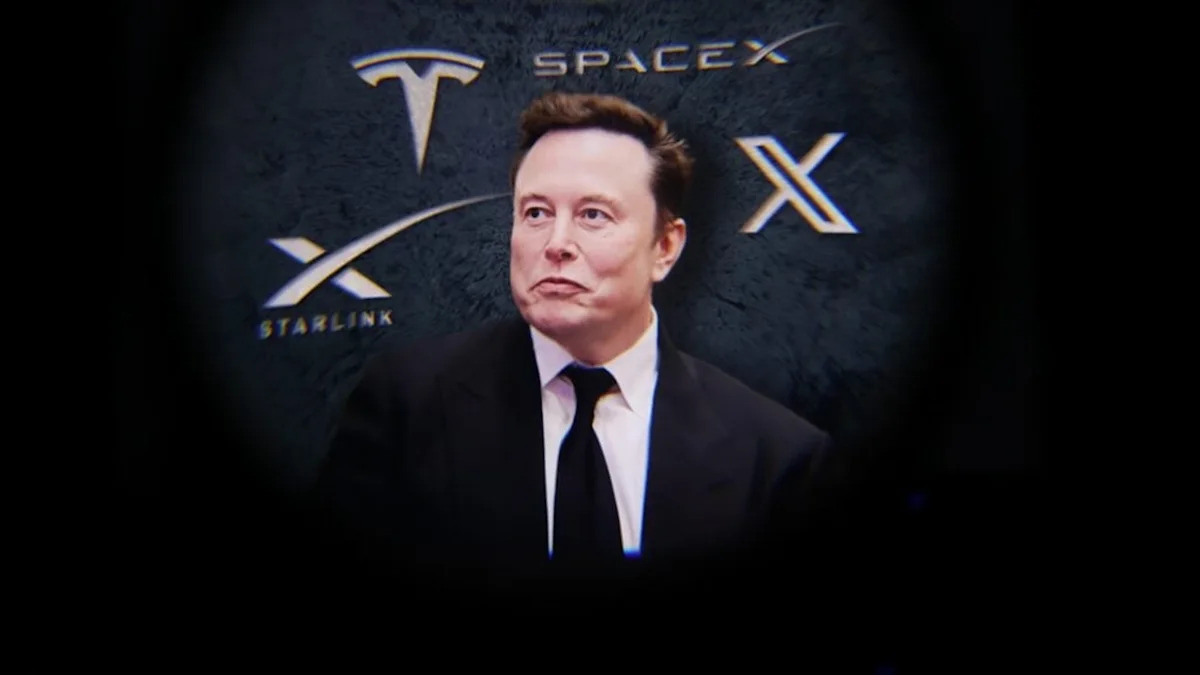
Last year, Elon Musk stressed his priority of regaining majority voting control over Tesla (NASDAQ: TSLA). His biggest concern at the time was control over new products -- humanoid robots, in particular -- that Tesla is expected to produce en masse over the coming years.
"My fundamental concern with regard to how much voting control I have in Tesla is: If I go ahead and build this enormous robot army, can I just be ousted at some point in the future?" Musk told investors last October.
Missed AI's "Act 1"? Act 2 Could Be 16x Bigger. Most investors think they missed the AI boat because they didn't buy Nvidia in 2005. But according to our analysts, we're only at the end of "Act 1"—the R&D phase. "Act 2" is the global rollout. Continue »
Whether investors agree with Musk's concern or not, it is clear that he seeks majority control over Tesla's daily operations. This has one major implication for shareholders of both Tesla and SpaceX (NASDAQ: SPCX).
While a merger between SpaceX and Tesla has not been formally announced, speculation of a potential tie-up has risen sharply after the companies launched independent committees focused on exploring the benefits of a merger.
Musk's negotiated pay package at Tesla originally included key milestones that would trigger additional stock grants, including the deployment of one million humanoid robots. But some experts are claiming that Musk's ambitious "enormous robot army" is a distraction from his true goal.
"It's irrelevant," Charles Elson, founding director of the Weinberg Center, told Reuters this week. "This package is a distraction from the real story, which is complete control."
Musk's pay package with SpaceX grants him additional voting power before the shares are even issued. Incorporating the new pay package, Musk now has approximately 85% voting power at SpaceX. With roughly 20% voting power at Tesla, a tie-up between the two companies could ultimately give Musk majority control over the combined entity.
SpaceX's IPO prospectus was replete with bold long-term plans. Tesla, meanwhile, is working to sustain its lofty valuation with promises of robot armies and ubiquitous self-driving cars. Investors, however, should look deeper into these claims, understanding that a mega-merger between Tesla and SpaceX may have more to do with Musk's economic incentives than the best interests of shareholders.
Before you buy stock in Space Exploration Technologies, consider this:
The Motley Fool Stock Advisor analyst team just identified what they believe are the 10 best stocks for investors to buy now… and Space Exploration Technologies wasn't one of them. The 10 stocks that made the cut could produce monster returns in the coming years.
Consider when Netflix made this list on December 17, 2004... if you invested $1,000 at the time of our recommendation, you'd have $353,560!* Or when Nvidia made this list on April 15, 2005... if you invested $1,000 at the time of our recommendation, you'd have $1,115,850!*
Now, it's worth noting Stock Advisor's total average return is 852% — a market-crushing outperformance compared to 203% for the S&P 500. Don't miss the latest top 10 list, available with Stock Advisor, and join an investing community built by individual investors for individual investors.
*Stock Advisor returns as of November 7, 2026.
Ryan Vanzo has no position in any of the stocks mentioned. The Motley Fool has positions in and recommends Tesla. The Motley Fool recommends Space Exploration Technologies. The Motley Fool has a disclosure policy.
Elon Musk Wants to Build an "Enormous Robot Army." Here's What That Means for Tesla and SpaceX Investors. was originally published by The Motley Fool