High profile resignations, a prime minister on the edge and populists on the up — UK politics is far from dull. DW explains what's going on in Keir Starmer's Labour party and with Nigel Farage. And what may be next.
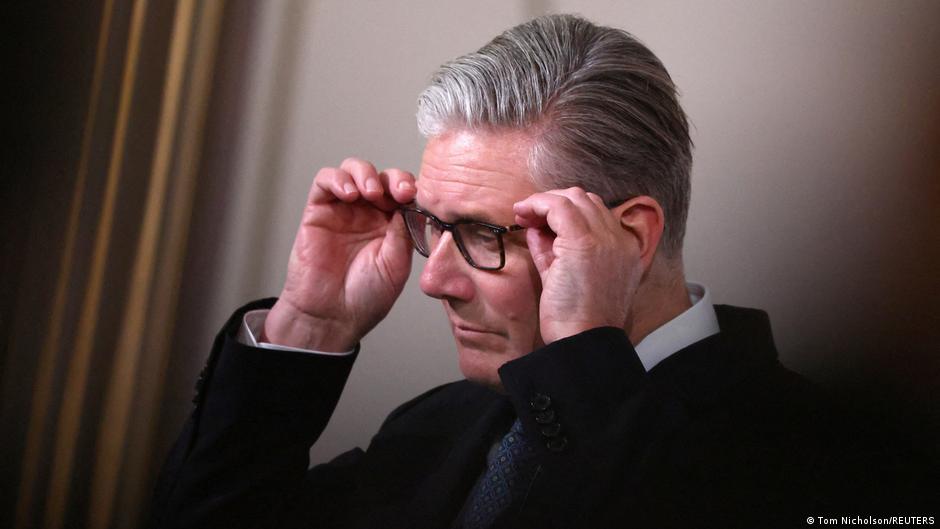
https://p.dw.com/p/5DnUtKeir Starmer is under pressure from the public and his own partyImage: Tom Nicholson/REUTERSAdvertisementLess than two years after winning a landslide election victory that ended 14 years of center-right Conservative party governments in the UK, Keir Starmer is hanging by a thread.
His center-left Labour party lost well over half of their local council seats in elections held across England last week, with most going to right-wing, anti-immigration party, Reform UK. Labour also performed poorly in devolved elections for the Scottish and Welsh parliaments on the same day.
Because they operate at the national level, Starmer and his fellow Members of Parliament (MPs) weren't actually up for re-election. But the loss is perceived as a damning indictment of his lack of popularity. A survey this month by British pollsters YouGov found 23% of Britons held a positive opinion of Starmer, while 69% had an unfavorable view. He is also rapidly losing support within his party.
For now, the 63-year-old is still leading the country. Starmer's 2024 win means he is entitled to hold power until the next general election, which must be called by August 2029 at the latest. Unless he resigns, which he has so far ruled out, there are limited options to oust him during a term.
One of these is if he loses a so-called Parliamentary Vote of No Confidence. This must be tabled by an MP and Starmer must lose a simple majority in the House of Commons. Given Labour hold 403 of the 650 seats, this is unlikely. A more likely scenario is that he loses the support of his party.
More than 90 Labour MPs have called for him to go in recent days, with some high profile cabinet ministers resigning their posts. But, under Labour rules, 20% of Labour MPs — 81 people — must support a single candidate to challenge the incumbent. That scenario would trigger an internal party leadership election, the winner of which would become prime minister by default.
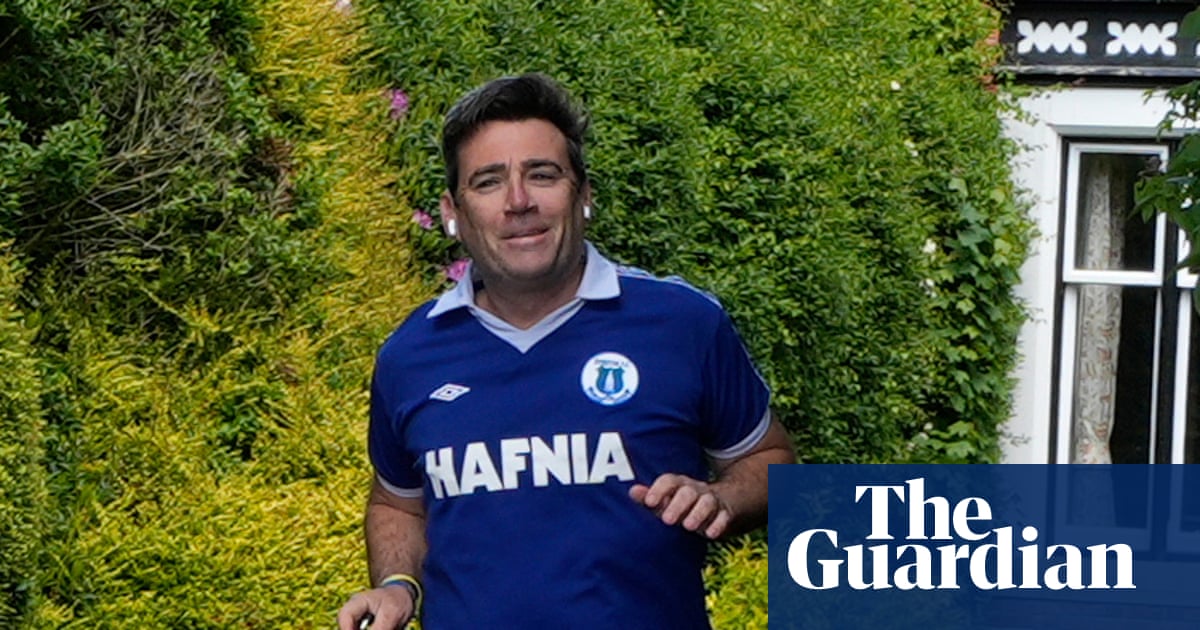
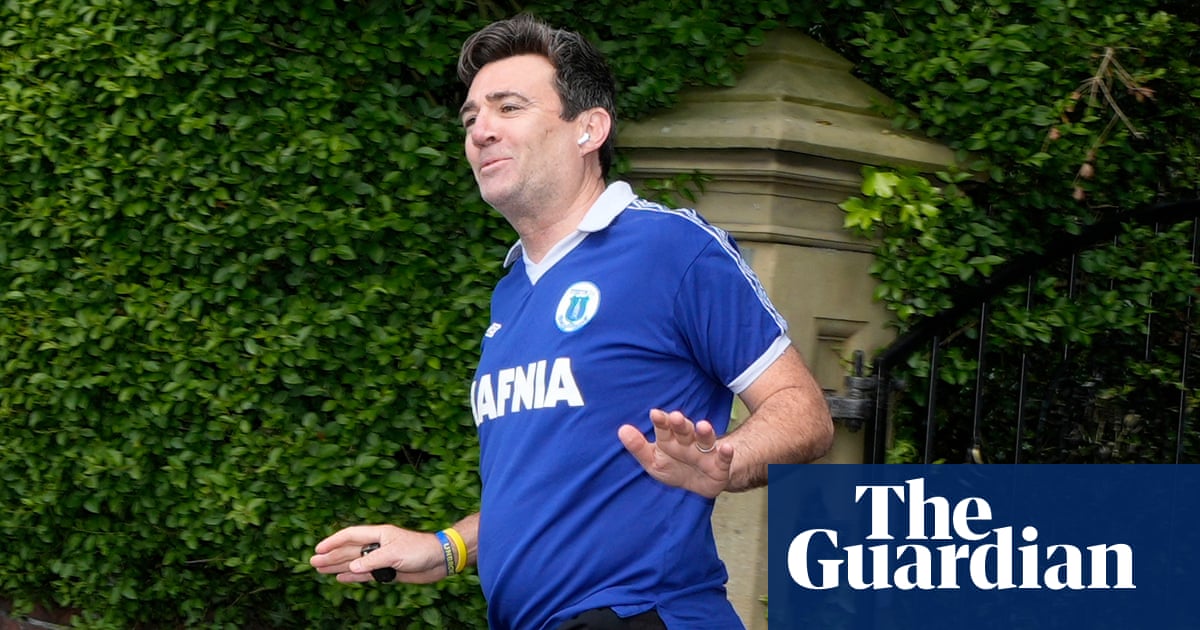
The early favorite isn't currently an MP. Andy Burnham is the elected Labour Mayor of Greater Manchester, one of the UK's largest cities and a traditional Labour heartland. That would ordinarily rule him out of a leadership challenge but Josh Simons, MP for Makerfield in Greater Manchester, has stepped down, forcing a byelection that Burnham hopes to win if selected by the party as candidate, giving him a seat in the House of Commons.
While Burnham has been well regarded in his mayoral stint, some will see his abandoning of Manchester for the big stage as a dereliction of duty. If he does win the byelection, Burnham will return to the national stage for the first time since 2017 having served under Tony Blair's government and Gordon Brown's cabinet in the first decade of the 2000s and in opposition after that.
Wes Streeting, who resigned as health minister on Thursday is another candidate. "Where we need vision, we have a vacuum. Where we need direction, we have drift," he wrote in his resignation letter. Streeting grew up in difficult conditions in London and has not yet announced a formal challenge. His position as a key Starmer cabinet member likely works against him in the eyes of the public.
Another candidate who has cleared herself a path to challenge is Starmer's former deputy, Angela Rayner. On Thursday, Rayner said she had been "exonerated" by UK tax authorities of the accusation she had "deliberately sought to avoid tax" on a property she bought. She stood down from the deputy leadership last September as a result of the accusations but is now clear to stand. Rayner has said she will not trigger the contest but refused to back Starmer when asked.
The UK operates a 'First Past the Post' parliamentary system. There are 650 parliamentary constituencies across England, Scotland, Wales and Northern Ireland and each elects one MP at a general election. These constituencies can vary in size and population. Any party winning a majority of seats can govern, otherwise coalitions can be formed. The leader of that party automatically becomes prime minister.
However, leadership challenges from within or resignations have seen Gordon Brown, Theresa May, Boris Johnson, Liz Truss, and Rishi Sunak taking the top job from within in the last 20 years alone. All were elected as MPs but were not party leaders when their party won government.
Labour's losses have largely been Reform's gain. The party, which replaced Farage's Brexit party in 2018, saw large gains in council elections just as they did in the 2024 general election, where they won five seats but over 14.3% of the vote share, making them the third largest party by that metric. Three Conservatives, including former Justice Secretary, Robert Jenrick and Home Secretary Suella Braverman, have since defected, swelling their number to eight MPs.
The end of the two-party system in the UK?To play this audio please enable JavaScript, and consider upgrading to a web browser that supports HTML5 audio
A key Reform policy is to "remove all illegal migrants from the UK" with a rhetorical focus on stopping small boat crossings in the English channel between southern England and mainland Europe. The party wants to leave the European Convention on Human Rights, repeal the Human Rights Act, dramatically cut foreign aid and scrap net zero targets in service of putting British people first, as many of its policy plans state.
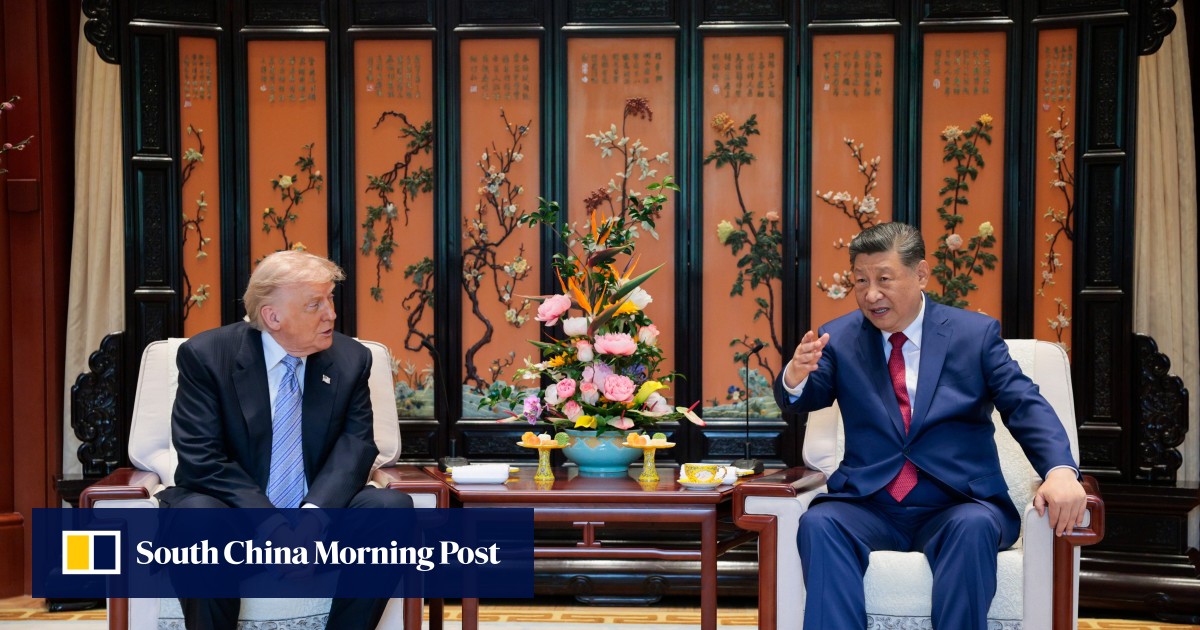
Farage's popularity is even greater than that of his party though. He did not plan to stand in 2024, preferring to help Donald Trump campaign in the US, before a last minute u-turn saw him reinstalled as leader before winning his first ever House of Commons seat. He had previously been a member of the European Parliament.
It has recently emerged that shortly before that change of heart, Farage had been gifted £5m (€5.75 million, $6.7 million) from British crypto billionaire Christopher Harborne, who is based in Thailand. Farage now faces an inquiry by the parliamentary standards watchdog after arguing first that the money was for his security and then as a "reward" for securing Brexit. Reform has been a big policy backer of cryptocurrencies and called for deregulation. Nevertheless, Farage's popularity among the electorate is sky high and he is certainly in contention.
Farage's popularity is unlikely to be put to the ultimate test soon. No Labour leader is likely to call an election with their party in such a state and with the Green Party also on the rise to its left.
The Greens won four national seats in 2024, having only held only one previously, more than doubling their vote share in the process. They too did well in the recent council elections, winning an 376 council seats, control of five councils, and two mayoralties. Zack Polanski, who took on the leadership in 2025, has attracted a sizable following among the youth voters and those to the left of Starmer's Labour.
The next significant step is likely to be the byelection in Makerfield later in 2026, in which Burnham hopes to run. No firm date is yet set but Farage may see that as an opportunity to give Labour another bloody nose and cause even more chaos, with Labour securing 18,202 votes to Reform's 12,803 last time around.
The Greens appear likely to run in Makerfield too, in concerning news for Burnham. With the Conservatives struggling to recover from their 2024 loss, the days of the UK's two party system appear numbered.
Assuming Reform and the Greens don't win, and Burnham does, he will need to shore up the 81 MPs needed to challenge Starmer, something Streeting will also be working towards, with Rayner waiting in the wings.
In the meantime, Starmer continues as prime minister, with new cabinet appointments and a rocky road ahead.