Beijing is vague on whether AI cooperation was on the summit’s agenda, even as experts urge collaboration on common problems
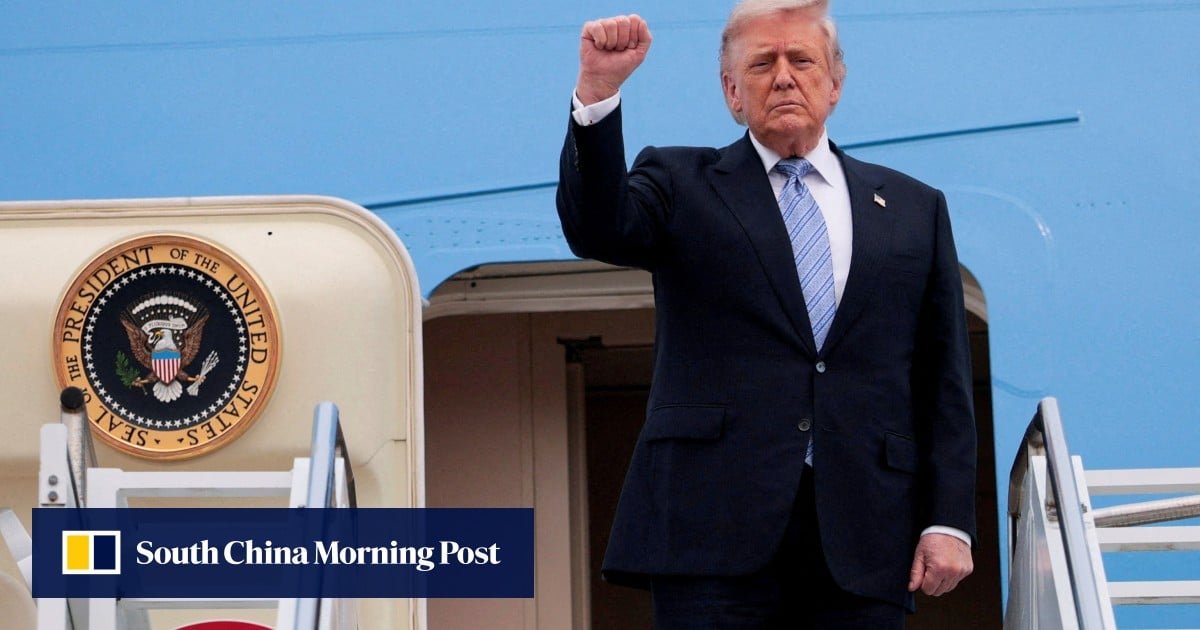
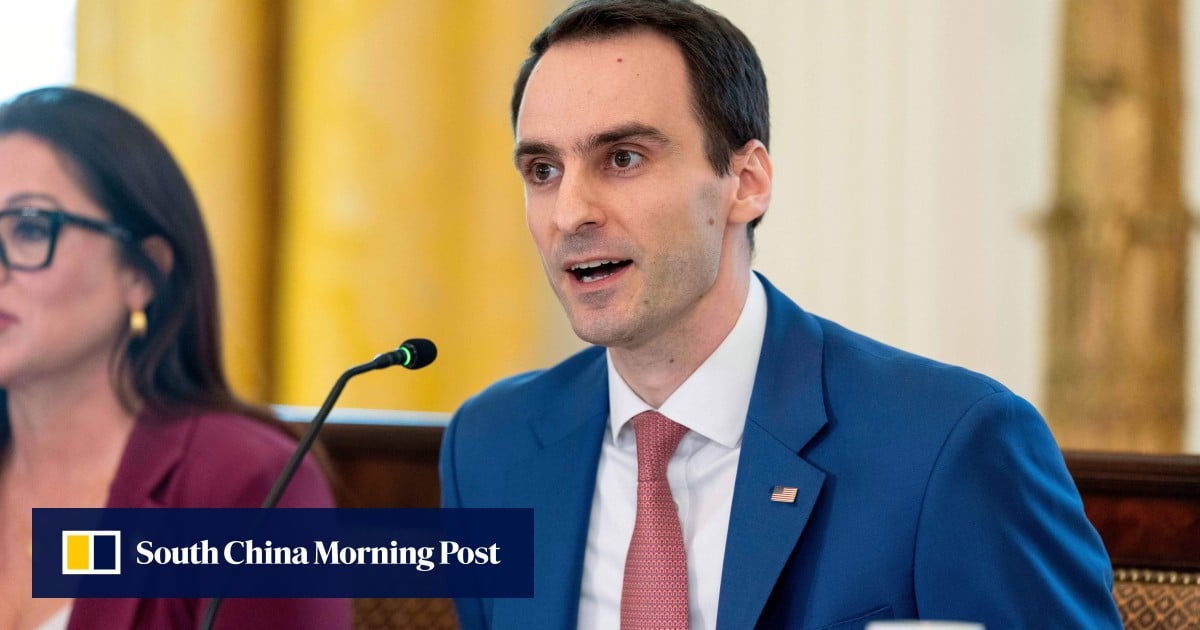
2-MIN READ2-MIN ListenZhang Tongin BeijingandHolly ChikPublished: 8:00pm, 15 May 2026Updated: 8:07pm, 15 May 2026The presence of President Donald Trump’s top science adviser Michael Kratsios and Nvidia CEO Jensen Huang in the US delegation to Beijing this week has drawn attention to whether AI was on the talks’ agenda.When asked if the talks between Trump and his Chinese counterpart Xi Jinping produced any results relevant to AI collaboration, Chinese foreign ministry spokesman Guo Jiakun did not give a direct answer.“China has always advocated that all parties jointly promote the development of artificial intelligence in an open, inclusive, beneficial and good-for-all direction,” he told reporters on Friday afternoon, after Air Force One had taken off from Beijing Capital International Airport.
The international community hoped that the US and China could reach a consensus on AI governance and strategic stability, Xiao Junyong, a professor at the Beijing Institute of Technology’s law school, wrote in an article published Wednesday by the state-run Beijing Review.
“Both the US and China lead in AI models, computing power, and ecosystems, yet share challenges like hallucinations, bias, misuse and cyberattacks. For high-impact AI systems, they can cooperate on safety, ethics, and deepfake governance.”