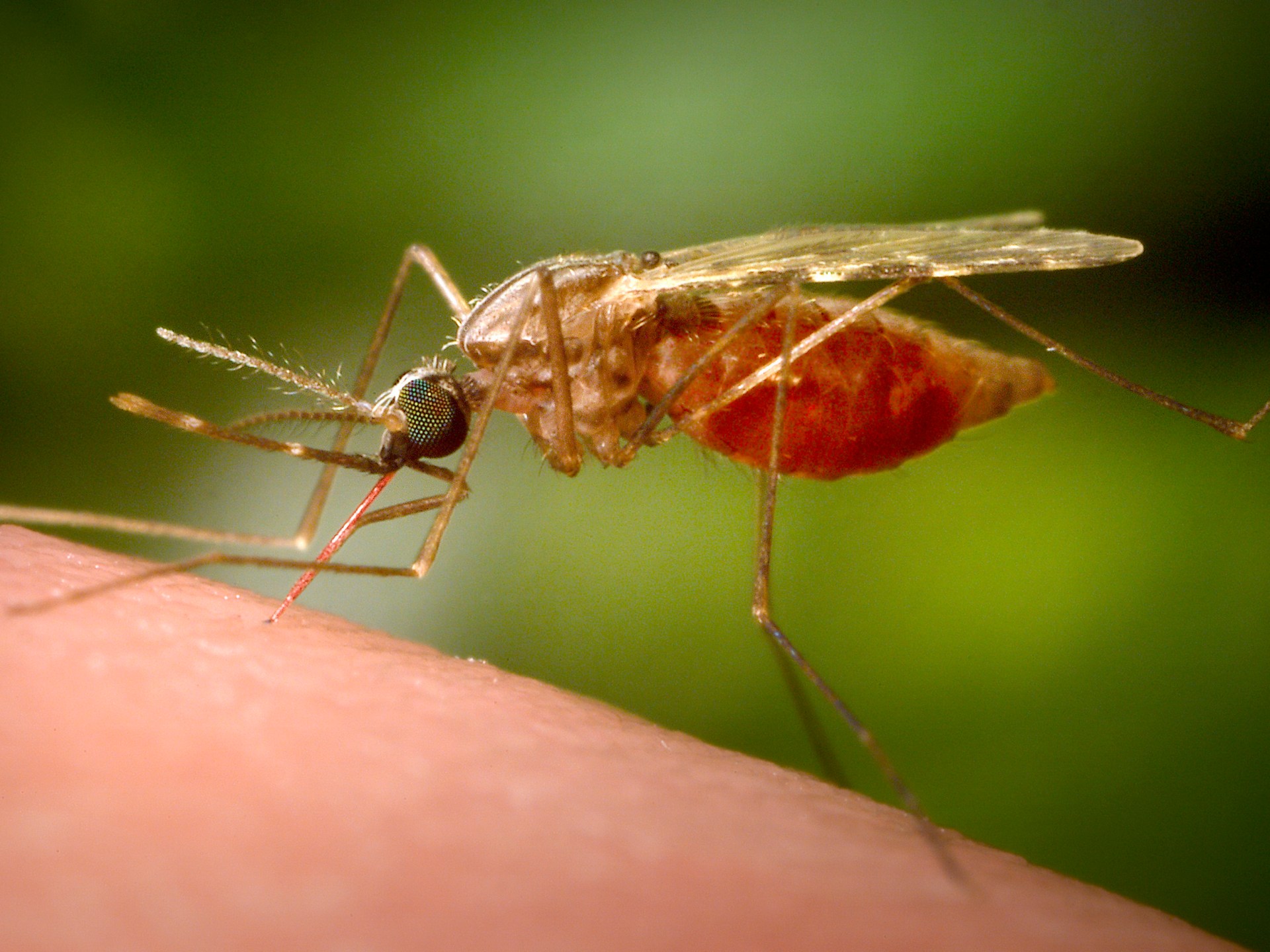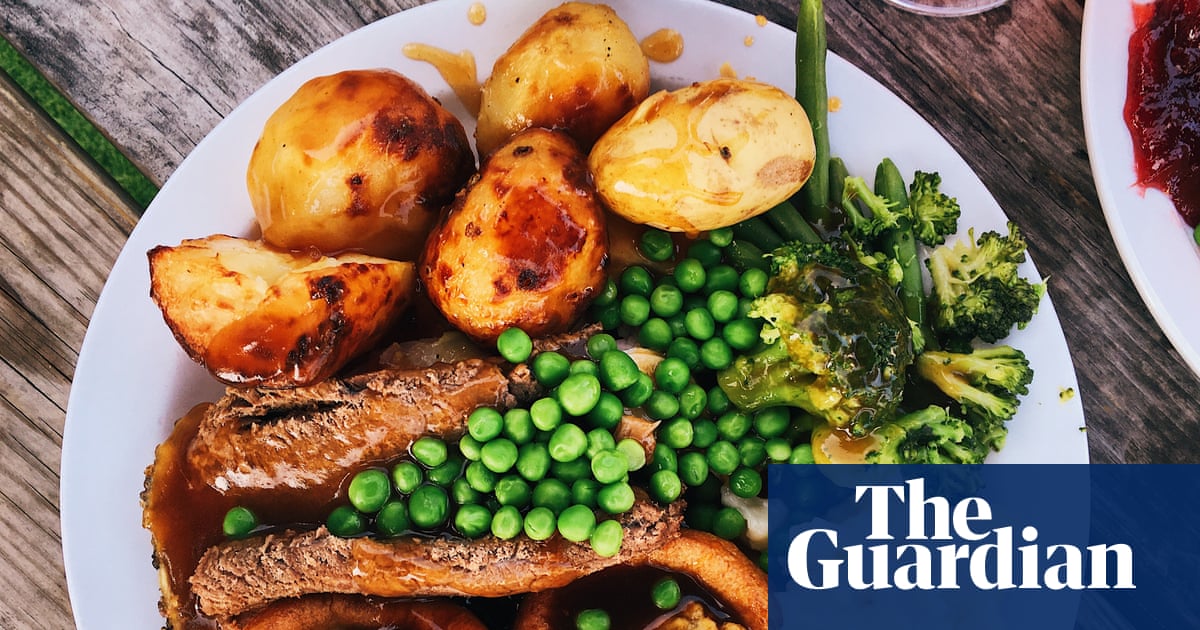
British potatoes may have been sprayed with benthiavalicarb, a fungicide banned in the EU because it causes cancer. Photograph: Alexander Spatari/Getty ImagesView image in fullscreenBritish potatoes may have been sprayed with benthiavalicarb, a fungicide banned in the EU because it causes cancer. Photograph: Alexander Spatari/Getty ImagesTypical English roast dinner potentially ‘drenched’ in 102 pesticides, says reportGreenpeace finds cocktail of pesticides including seven banned in EU may have been used on seven categories of vegetables and soft fruit
It is a beautiful early summer Sunday afternoon and you have stopped for a pub lunch. A waiter sets down a roast served with carrots, peas, parsnips, potatoes and onion gravy, and then for pudding, strawberries and cream. It feels like the perfect rustic meal to accompany a day in the country.
However, a report by Greenpeace, published on Thursday, has found that the ingredients of the traditional Sunday roast have potentially been treated with a cocktail of more than 100 pesticides. Data from the Fera pesticide usage survey for 2024, showed 102 – including seven banned in the EU – were used on seven vegetable and soft fruit categories.
Those roast potatoes may have been sprayed with benthiavalicarb, a fungicide banned in the rest of Europe because it causes cancer. They may have also had a sprinkling of metribuzin, a herbicide, banned because its an endocrine disruptor.
The carrots may have been treated with the insecticide spirotetramat, whose EU approval has expired and can kill bees and fish. Peas are often treated with the herbicide S-metolachlor, which poses risks to mammals and has been implicated in groundwater contamination.
And those strawberries may have been doused with clofentezine, dimethomorph and mepanipyrim, all banned in the EU because they have been identified as endocrine disruptors and may have harmful effects on human and animal hormones.
Not only were crops sprayed with a range of pesticides, Greenpeace found, many were dosed over and over. “Our countryside is being drenched in pesticides, with devastating consequences for bees, birds, butterflies, rivers and the soil,” said Nina Schrank, a senior campaigner at Greenpeace UK.
“Fields that once hummed with wildlife are falling silent while agrochemical giants rake in enormous profits and farmers are trapped in a costly cycle of chemical dependency.”
The extensive use of pesticides is devastating the natural world, according to Greenpeace’s report. “The signs of nature in decline are everywhere,” it said, pointing out stark declines in birds, butterflies and hedgehogs.
Since the end of the second world war, the use of pesticides has become standard practice to eliminate weeds, insects and fungi that get in the way of efficient agricultural production.
“However, what we might think of as a weed may also be a wildflower that is shelter or food for a host of creatures,” the report said. “The insects that eat crops are themselves food for other animals, and share the fields with a multitude of species who are not the target, but are nevertheless impacted.
“As a result, our dependence on pesticides is a tale of terrible, unintended consequences for entire ecosystems.”
The UK government’s pesticides national action plan targets a 10% reduction in pesticide use by 2030. Greenpeace has argued for a 50% cut in use, impact and toxicity by the same deadline. The campaign group called for the UK to realign with EU standards “as a baseline”, ban imports of food grown with unlicensed pesticides and increase the level of organic agriculture to at least 10%.
The National Farmers’ Union, which prefers to call pesticides plant protection products, said many of these chemicals were only used by farmers when necessary, were “among the most highly regulated chemical products in the world” and that crop yields could fall by up to 50% without them.
A spokesperson for the Department for Environment, Food and Rural Affairs said: “We place strict limits on pesticide residue levels in food, which are set after rigorous risk assessments to make sure levels are safe for consumers. These limits apply to both food produced domestically and imported from other countries.
“Our UK national action plan, published last year, sets out how we will support farmers, growers and other land managers to increase their use of sustainable practices to reduce potential harm from pesticides, while controlling pests and pesticide resistance effectively and protecting food security.”