Regional governments should stop blaming shortages on the failure of treaties, diverting attention from much-needed internal reforms
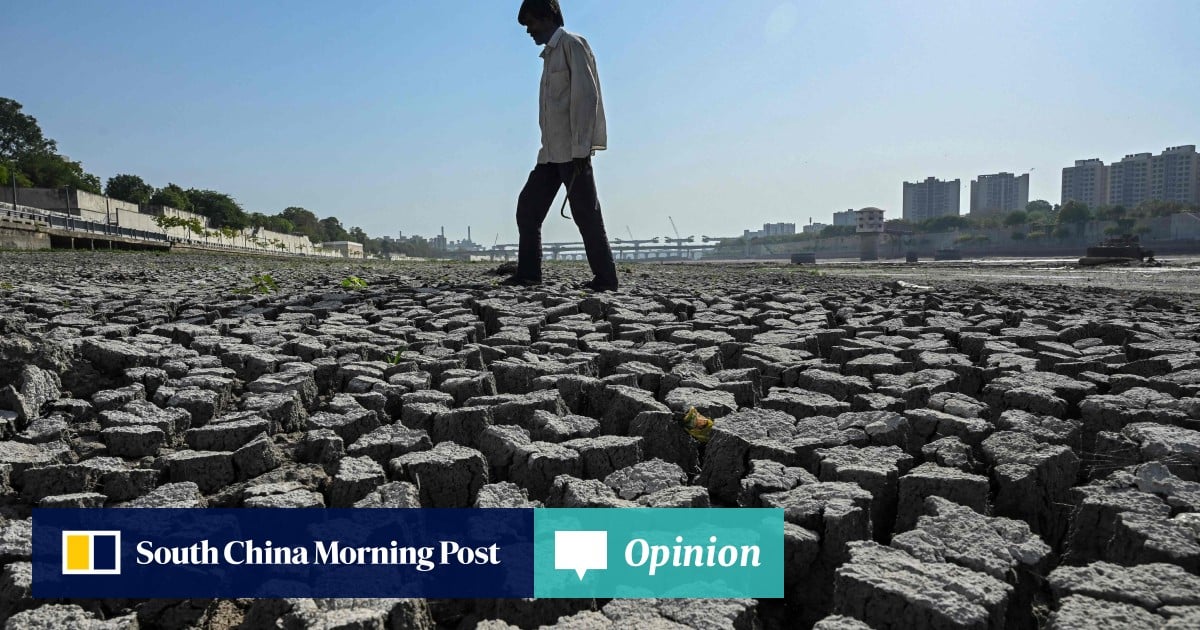
3-MIN READ3-MINAmbika VishwanathAmbika Vishwanath is a principal research fellow with La Trobe Centre for Global Security and the co-founder and director of the Kubernein Initiative in India. Published: 8:30pm, 13 May 2026Summer hit South Asia early this year. April saw above average temperatures and the mercury is expected to reach unbearable highs this month. We are also bracing for a “super El Nino”, where a combination of increased heatwaves and highly variable weather patterns are expected to push urban zones, agricultural systems and public health to their limits.South Asia, especially parts of Pakistan, India and Nepal, is likely to receive below average monsoon rainfall during the summer months of June-August. For countries that are heavily dependent on the monsoon for agricultural output, a deadly combination of low rainfall and high heat has several cascading risks.Such risks can often get embroiled in political rhetoric that prompts countries to look outward for solutions and blame their neighbours. It’s usually an easy domestic political victory. However, South Asia’s water crisis is as much an internal issue as it is external. While collaborative solutions might remain a distant dream, countries must still aim for workable internal solutions.AdvertisementExtreme weather and unpredictable climatic conditions are likely to become the new normal and countries need to prepare with improved domestic water governance policies.India, Pakistan, Bangladesh, Nepal and Afghanistan are hydrologically interdependent. The Indus, Ganga and Brahmaputra basins and the Himalayan glaciers that feed them are common sources of water that also tie together communities, histories and narratives. Water has long been a contentious issue, as is common in many parts of the world where two or more countries with little diplomatic engagement or problematic borders share a water resource.AdvertisementSouth Asia is one of the least integrated regions, especially in terms of transboundary water cooperation. While a few agreements and treaties exist between regional countries, most are bilateral and many are under strain and subject to geopolitical considerations.