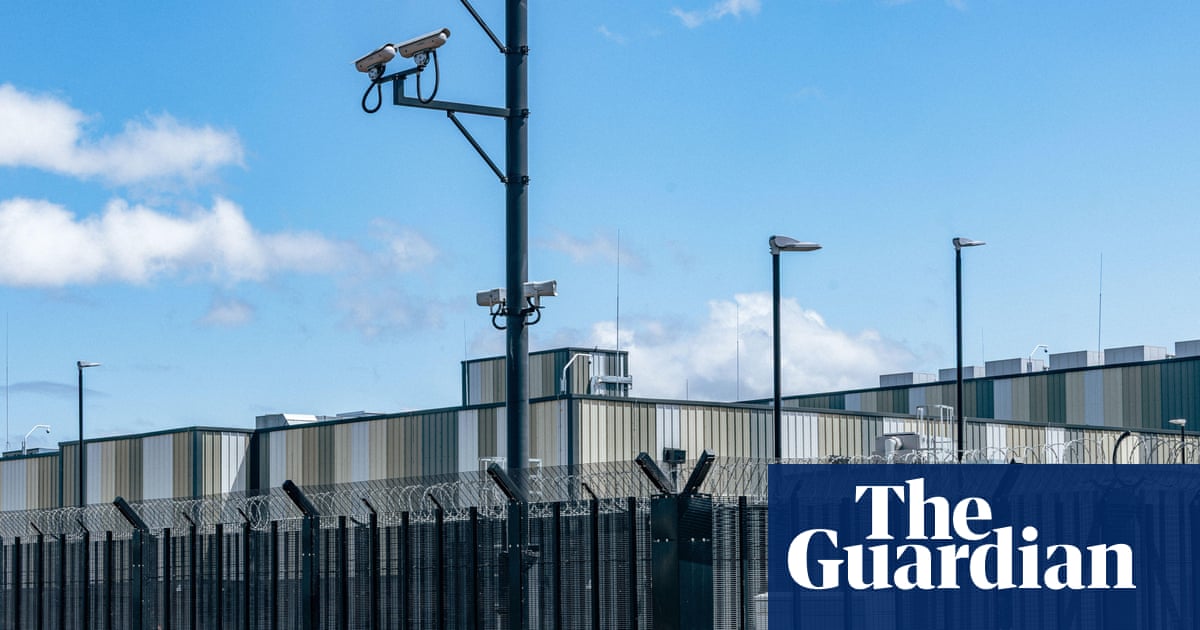
An Amazon Web Services datacentre in Oxfordshire. In early 2025, the UK government estimated UK datacentres used 2.5% of electricity. Photograph: Horst Friedrichs/AlamyView image in fullscreenAn Amazon Web Services datacentre in Oxfordshire. In early 2025, the UK government estimated UK datacentres used 2.5% of electricity. Photograph: Horst Friedrichs/AlamyDatacentres using 6% of electricity supply in UK and US, research saysIndustry body says energy consumption driven by AI up 15% globally in two years as it warns of societal backlash
Datacentres are consuming 6% of electricity in the UK and US, with the growing strain of AI on energy supplies prompting community resistance, according to research.
The proportion of electricity used by vast warehouses stacked with microchips to power AI and the internet has risen 15% worldwide in the past two years as annual global investment in datacentres approaches $1tn (£740bn) – nearly 1% of the global economy, according to the International Data Center Association (IDCA).
The figures come amid energy shortages in the UK and datacentre developers reporting waits of several years for national grid connections. The IDCA said rising power usage globally was “sparking societal and political concerns” and called on tech companies to become more transparent about their plans for new datacentres to tackle “community frustration”.
Read moreThe Guardian this week reported that developers working for Google significantly misstated how much carbon two proposed AI datacentres would contribute to the UK’s total emissions.
“Significant community and political pushback starts to occur in nations once their datacentre footprints have reached the 5% consumption level of national grids,” the IDCA research concludes.
In early 2025, the UK government estimated UK datacentres used 2.5% of electricity, but predicted this would increase fourfold by 2030. In the first half of 2025 the queue to connect to the grid grew by 460%.
The UK, where 5.9% of electricity is used by datacentres, and the US, where the figure is 6%, are well above the global average of 2%. Tech use in Singapore and Lithuania is placing an even heavier burden on power supplies with 19% and 11% respectively of these countries’ national grid energy now consumed by datacentres.
Responding to the rising power use, Greenpeace UK warned that an “unchecked AI boom” would mean higher energy bills, more stress on water supplies and “a new lifeline for fossil fuels”.
Doug Parr, the campaign group’s chief scientist, said: “Before being swept along by the enthusiasm of tech billionaires whose profits depend on this expansion, we should pause and ask ourselves whether it’s worth the price.
“We need more transparency about the amount of water and energy used by data centres, proper environmental impact assessments, and a ban on new polluting plants being built to power AI.”
There are now estimated to be about 10,000 datacentres worldwide, the largest of which include Microsoft’s new 1.2m sq ft (about 11,500 sq metre) Mount Pleasant datacentre in Wisconsin, which it bills as the world’s most powerful.
The IDCA’s figures align with recent estimates by the International Energy Agency that energy use rose 17% in 2025, outpacing growth in global electricity demand of 3%.
It also found that 13% of datacentre consumption in the US comes from unused “zombie” services – running apps that were never switched off but are unused. This wasted consumption totals in excess of 3GW.
The report said: “This sort of inefficiency is presumed to be apparent throughout the world, with inefficiencies increasing as the percentage of cloud computing rises.”
The annual report also highlighted the new military threat to datacentres.
“The attacks on datacentres – now viewed as critical infrastructure – in the Middle East have shocked datacentre operators and customers with the spectre of breached physical security,” it said. “Cybersecurity is now twinned with physical security as part-and-parcel of a unified, comprehensive security strategy.”