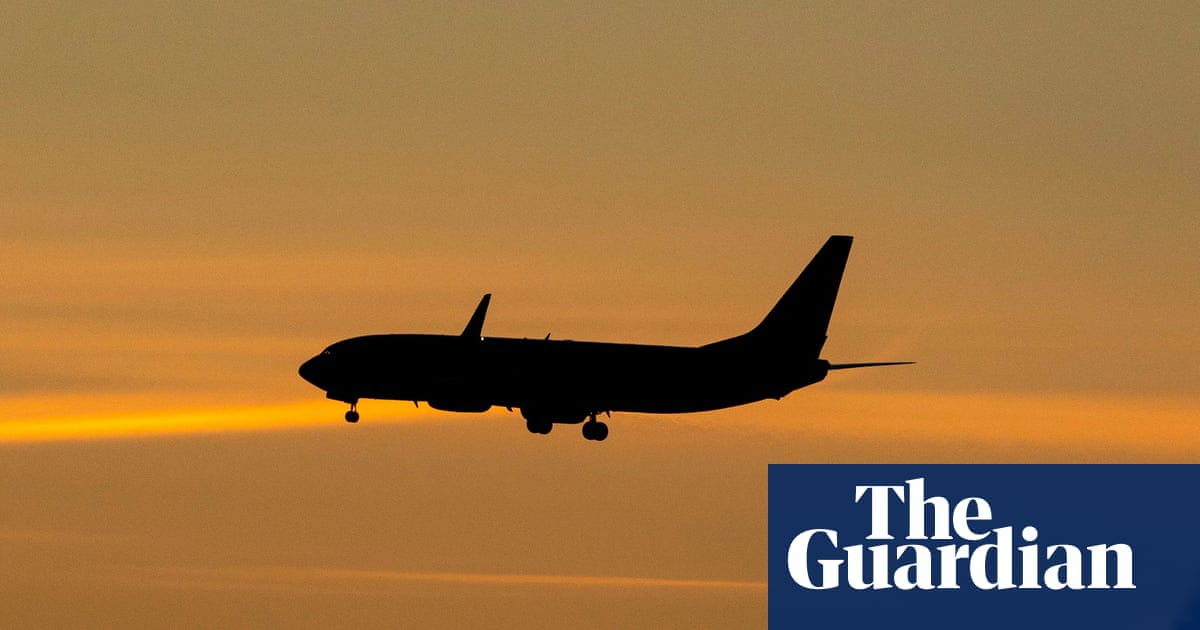
The 2026 federal budget announced a $10 increase in the cost of the passenger movement charge – which is built into tickets on planes and boats – bringing it to $80. Photograph: Peter Byrne/PAView image in fullscreenThe 2026 federal budget announced a $10 increase in the cost of the passenger movement charge – which is built into tickets on planes and boats – bringing it to $80. Photograph: Peter Byrne/PAAnalysisFederal budget 2026 winners and losers: rich families, overseas travellers and illegal tobacco – summarySarah Basford Canales, Luca Ittimani Taxpayers and first home buyers are the winners in Labor’s 2026 budget, while rich families could be among the losers. Find out who is better off and who is worse off in Chalmers’ budget
Federal budget 2026 LIVE updates: Australia government budget announcement and speech – latest news
Explore all of our 2026 Australia federal budget coverage
Get our breaking news email, free app or daily news podcast
Being a winner or a loser from the federal budget can be the difference between hundreds of dollars – or tightening your belt even further.
Tuesday’s federal budget comes at a strange time. Donald Trump is waging a war on Iran that is impacting fuel supplies globally, including Australia. Inflation is still causing havoc on household budgets. Government programs are costing more than ever.
We’ve read hundreds of budget paper pages so you don’t have to. Here’s who ends up better after Tuesday night, and who doesn’t.
There are no real surprises in this budget but a new tax cut is on its way for working Australians. The Working Australians Tax Offset will be a permanent offset of up to $250 from the 2027-28 income year and is expected to apply to more than 12.5m Australians.
It will be in addition to the lowered 15% tax rate for income between $18,201 and $45,000 from July 2026. That rate will drop to 14% for that same income range from July 2027.
And from 2026-27, taxpayers will be able to make an instant tax deduction of $1,000 without needing to keep any receipts. A big win for the Type B personalities among us.
Despite a lot of criticism from the opposition in the lead up to last year’s federal election, the bureaucracy will increase in size again to the largest it has ever been. The average staffing level for 2026-27 has been set at 217,256, up from 215,941 last financial year.
Still, the government points out it remains below historical levels compared to the total population.
But not every agency is a winner. The Australian Competition and Consumer Commission will lose about 300 from their headcount while the National Disability Insurance Agency will slim down by almost 700 roles to 9,840.
Nine, Seven and Ten, as well as the commercial radio networks, will be relieved of having to pay the commercial broadcasting tax for two years until June 2028, to provide temporary relief for commercial television and radio at a cost to taxpayers of $111.3m over five years. Australian Associated Press will be handed $15m to support Australian journalism and news coverage.
The folks at the National Measurement Institute labs in Sydney will get $273m including for IT and critical maintenance work to ensure Australia’s kilograms, kilometres and kilovolts remain accurate. Another group of boffins over at the Australian Space Agency will be given $21.7m, while the CSIRO gets a $387.4m boost.
Despite the government allocating $20m over four years to combat the illicit tobacco market, the government is predicting a $1.2bn or 25% decrease in the amount of money generated by the tobacco excise. That’s not because more people are predicted to give up smoking – instead it’s due to continued growth in illegal tobacco at the expense of legitimate sales.
About 75,000 people who would not have been able to break into the housing market are set to reap the benefits of higher taxes on property investors. The government expects capital gains tax and negative gearing reforms will force investors out and let new homebuyers in.
However, renters who aren’t able to buy a house are being left behind. The reforms are expected to nudge rents up almost $2 a week, while the government’s Help to Buy shared equity scheme is lending less than expected, letting the government bank $685m.
Despite a number of funding measures designed to speed up environmental approvals and improve productivity, there isn’t much set aside for protecting endangered species and restoring their native habitats.
6:31What is capital gains tax and how does it work? – videoThe papers show $99.6m over the next two years will be dedicated to supporting conservation and planning activities. The figure is well short of what experts say is necessary. Tough day to be a greater glider.
Rich Australians have increasingly minimised tax by keeping assets in discretionary trusts, which allow them to siphon income to individuals who are paying low or no tax. From 2028, they’re going to have to pay a minimum 30% tax, adding $4.5bn a year to government coffers. The wealthiest 10% hold almost all of Australia’s private trust wealth so that money will be coming straight from Australia’s rich.
The last few years have been a bit of a free-for-all when it comes to importing and selling e-bikes. The federal government has now put $6.6m into strengthening Australia’s product safety framework and safety standards, including by improving product recalls, online marketplace reforms and introducing nationally consistent standards for e‐bikes.
Air fares are on the rise and now the government is going to make international travel even more expensive. The $70 passenger movement charge, which is built into tickets on planes and boats, will rise to $80 on 1 January 2027, handing the government an extra $210m a year to throw around.
The government says new budget measures will cut migration numbers. Migrants who aren’t already in Australia will be less likely to get a permanent visa, while older, lower-skilled and less educated migrants will have less of a shot under changes to Australia’s points system.
Working holiday visas will more often be allocated by ballot, as the government works to keep numbers from getting out of hand.
Almost 50,000 more Australians will end up looking for work in the next year, as the unemployment rate climbs to 4.5%, its highest since the pandemic. The government is still not boosting jobseeker, which caps out at $58 a day for a single person with no children. Those without jobs will also miss out on the only major cost-of-living relief in this budget: a $250 tax rebate, only for workers, to be paid in 2028.
The inland rail project, aimed at moving freight between Melbourne and Brisbane, will now terminate in Parkes in New South Wales, saving taxpayers $4.4bn. But passenger rail is a winner, with $3.8bn for Melbourne’s Suburban Rail Loop, $660m for the Newcastle to Sydney high speed rail project and $50m for a much-needed upgrade to the Sydney to Canberra rail corridor.