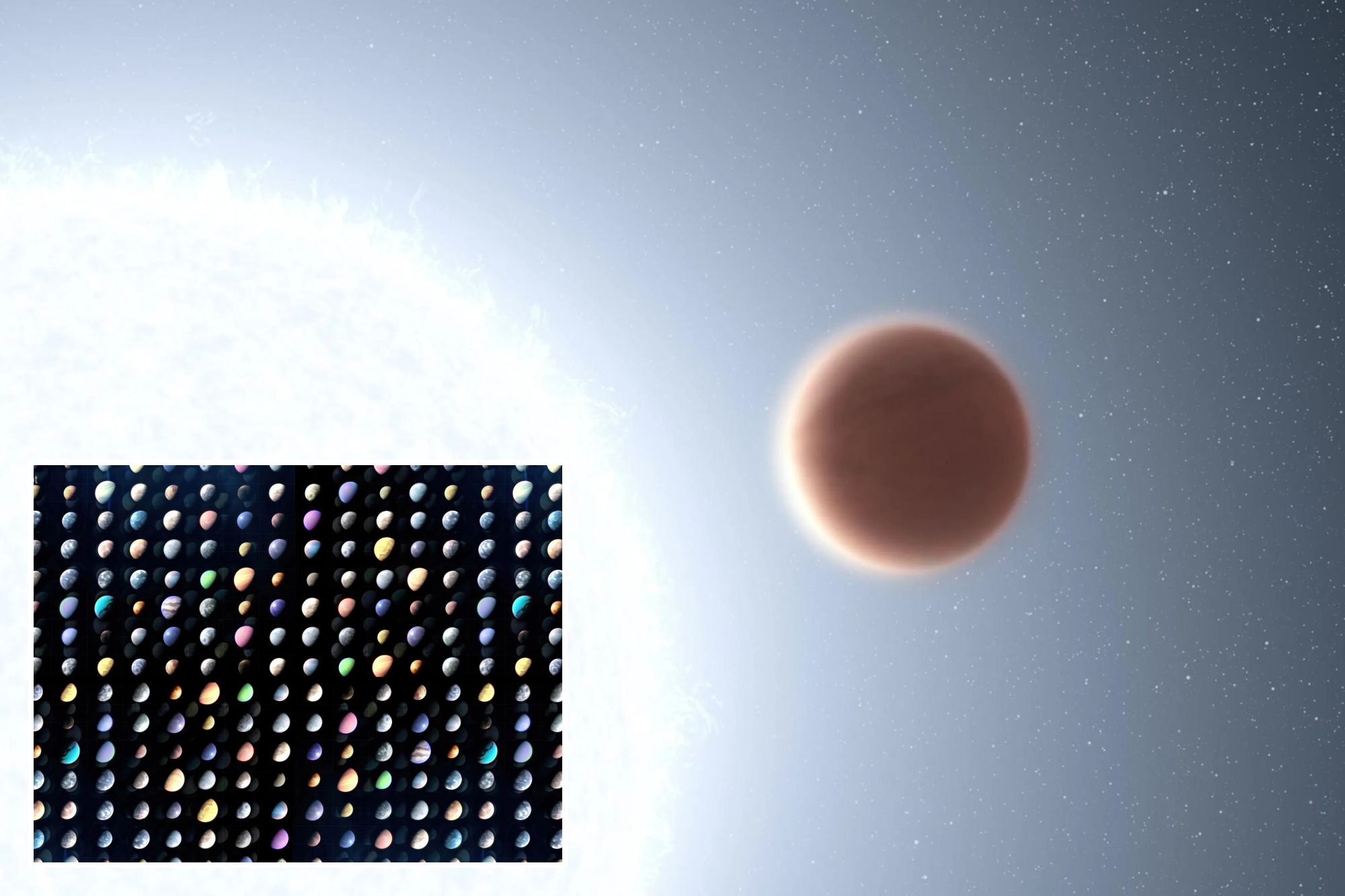
The Hubble Space Telescope has reached the jaw-dropping milestone of discovering more than 6,000 new worlds.
The joint NASA/ESA mission searches for planets in outer space, potentially looking for a world like Earth.
When the telescope was launched in 1990, not a single exoplanet was known.
Hubble’s precision and ultraviolet vision allowed space scientists to reveal the atmospheres of distant worlds, tracing escaping gases and uncovering exotic planets unlike anything in our solar system.
NASA said Friday (May 8): “Over 6,000 worlds and counting! NASA recently reached an incredible milestone in the search for planets beyond our solar system: more than six thousand confirmed exoplanets.
“From blazing hot Jupiters to mysterious super-Earths and puffy gas giants, each new discovery expands our view of the galaxy and deepens our oldest questions.
“Its studies have shown planets that are football-shaped, evaporating into space, or as dark as fresh asphalt, each one a testament to nature’s imagination.”
Today, Hubble continues to team up with NASA’s new generation of observatories like Webb, TESS, and the upcoming Nancy Grace Roman Space Telescope to explore these alien worlds in ever greater detail.
NASA added: “Together, they’re unraveling what these planets are made of, how they evolve, and whether some might harbour life. As we celebrate 6,000 confirmed exoplanets, we look ahead to the next 6,000 and to the discoveries still waiting beyond our cosmic horizon.”