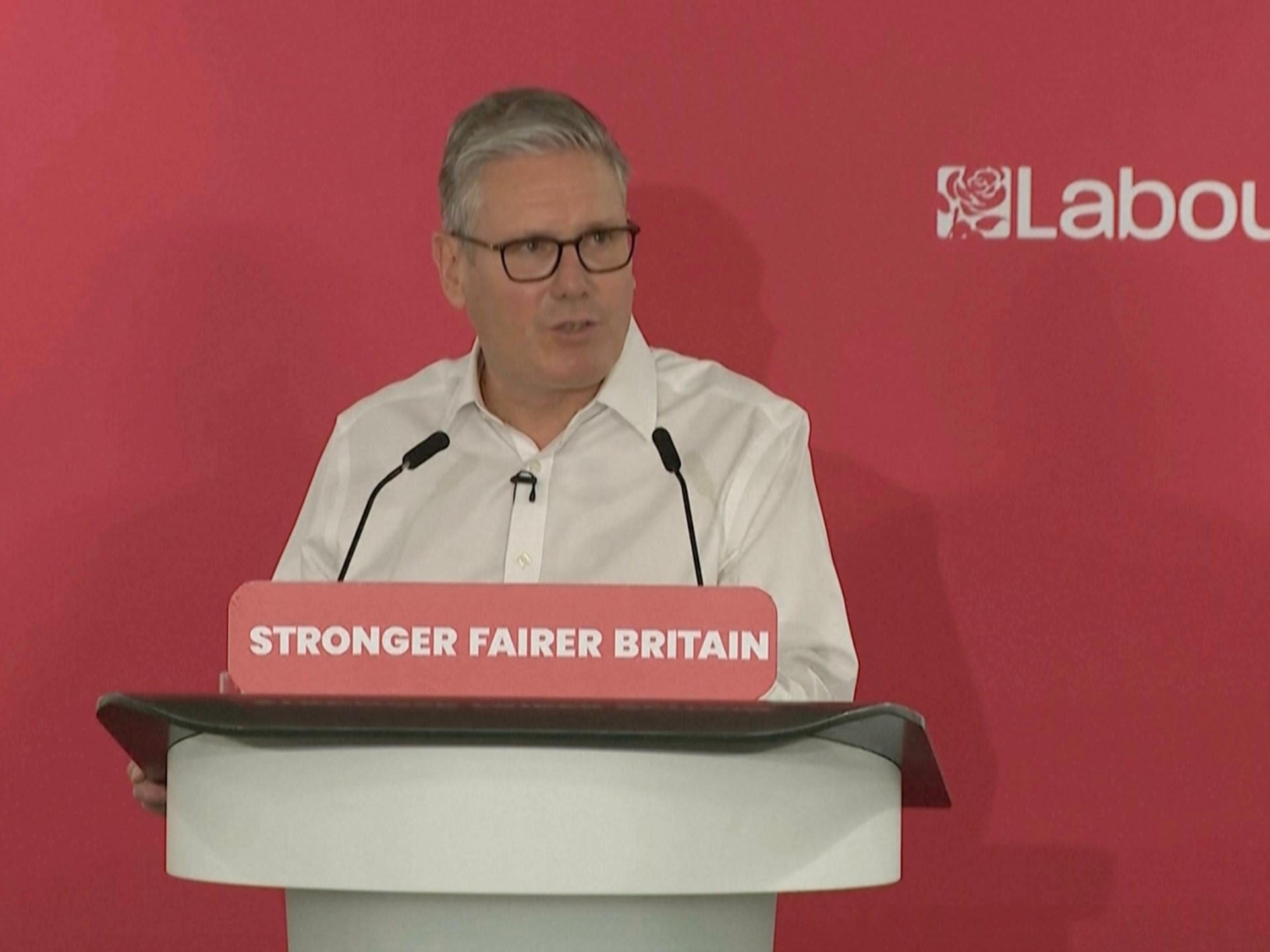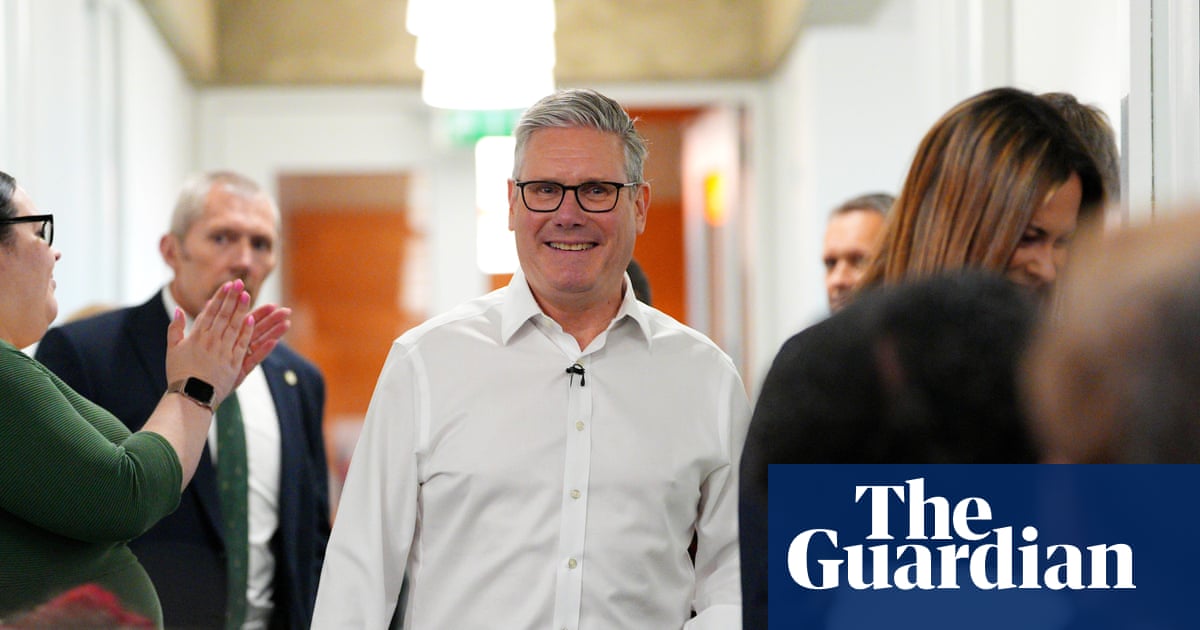
Starmer arriving to give his speech at Coin Street community centre in London on Monday. Photograph: Carl Court/Getty ImagesView image in fullscreenStarmer arriving to give his speech at Coin Street community centre in London on Monday. Photograph: Carl Court/Getty ImagesAnalysisWhat did Keir Starmer say in ‘last chance’ speech to save his premiership? Peter Walker Senior political correspondentAddress was billed as make-or-break amid mounting speculation of a challenge. Has he done enough to hang on?
Who are the main threats to Keir Starmer’s Labour leadership?
Keir Starmer’s speech and press conference on Monday morning was almost universally billed as his final chance to save his premiership. Was it enough? And what – if anything – did he actually offer?
This is a line that could have appeared in any Starmer speech of the last 12 months, but this time a lot of Labour MPs would have wanted something new and substantial in policy terms to back it. And there was not.
Yes, there was a lot of passion, and a lot of talk about fighting on. But the only policy offerings were either not new – a youth experience scheme as part of a reset with the EU – or already effectively the case, as with the announcement that British Steel will be nationalised.
If Starmer sceptics in Labour are to be mollified, there is an argument that he needed to produce a Flemish giant-sized rabbit from his metaphorical hat – something to make them sit up and think: oh, maybe this time things are different. But he did not.
Asked directly after his speech if he would fight any challenge to his leadership, Starmer said he would. He repeatedly set out the argument that any attempt to remove him would be deeply damaging to both Labour and the country more widely.
“I take responsibility for not walking away, not plunging our country into chaos as the Tories did time and again,” he said.
This is an argument that many Labour MPs understand and have some sympathy with. But after such a terrible set of election results, many increasingly feel that even a roll of the dice is better than just hanging on for dear life.
So to the decision about whether or not Andy Burnham would be allowed to give up his Greater Manchester mayoralty and fight for a Westminster seat – and then, very possibly, challenge Starmer.
The prime minister is sticking to the line from earlier this year when Burnham sought permission to fight the Gorton and Denton byelection and was blocked by Starmer loyalists on the party’s national executive committee (NEC).
Labour went on to lose the previously safe seat, coming third to the Greens and Reform. Burnham allies, of whom there are quite a few among Labour MPs, will be both despairing and furious at this answer.
This was, as it were, Starmer unleashed – a speech by a prime minister who cares. The problem for watching Labour MPs is that such emotional, story-telling politics is not the natural turf for a prime minister who, to the despair of his No 10 aides, is warm and even funny in private but become robotic every time he faces a camera or microphone.
Starmer’s speech was better than many he has given, and he did show some passion, even if the lengthy Q&A did tail off into the sort of detail-heavy pudding of tedium the PM specialises in.
And it was notable that the introductory speech by 2024-intake MP Jade Botterill packed more genuinely-seeming emotion into three minutes than Starmer did in nearly 20.
One of the more notable elements of Starmer’s speech was his open acceptance that Brexit has left the UK poorer and less secure, the sort of thing even Labour politicians would have been wary about not long ago.
But what does this actually mean, already-announced policies like the youth experience scheme? Possibly not much. Starmer was asked if he might ever shift on his “red lines” which would block future membership of the EU’s single market and customs union. The answer was vague, but seemed to indicate not.
Another increasingly familiar refrain from Starmer, but phrased starkly: the warning that if Labour gets things wrong for much longer, it will not just see the party defeated at the next general election but usher in a Nigel Farage-led Reform government.
This was used by Starmer to argue against changing the person at the top: “We are not just facing dangerous times, but dangerous opponents, very dangerous opponents.” Some of his MPs will take exactly the opposite lesson from it.