While there’s debate over how much is actually in our systems, microplastics are all the rage right now — and not in a good way for our health.
A new study may have found the culprit behind the accumulation in our brains, and it’s much more common than we may realize.
A study may have found why so much microplastic is found in our brains, leading to serious health issues like strokes. Rochu_2008 – stock.adobe.com Previous research found that the brain contains up to thirty times more microplastics than any other organ, and those with dementia show the highest levels.
Now, research published earlier this month in the journal BrainHealth has found a strong potential link between these pesky particles and an everyday dietary source — ultra-processed foods (UPFs).
While the packaged goods, drinks, cereals and ready-to-eat products that are UPFs are often high in sugar, saturated fat and salt and devoid of vitamins and fiber, they also make up 60% of Americans’ calorie intake.
The teeny plastics and their even tinier counterparts, nanoplastics, found in arterial deposits were associated with around a fourfold increase in the combined risk of heart attack, stroke or death.
Researchers believe that microplastics make it to the brain more than other parts of the body due to their size, with ingesting food being the most convenient vehicle.
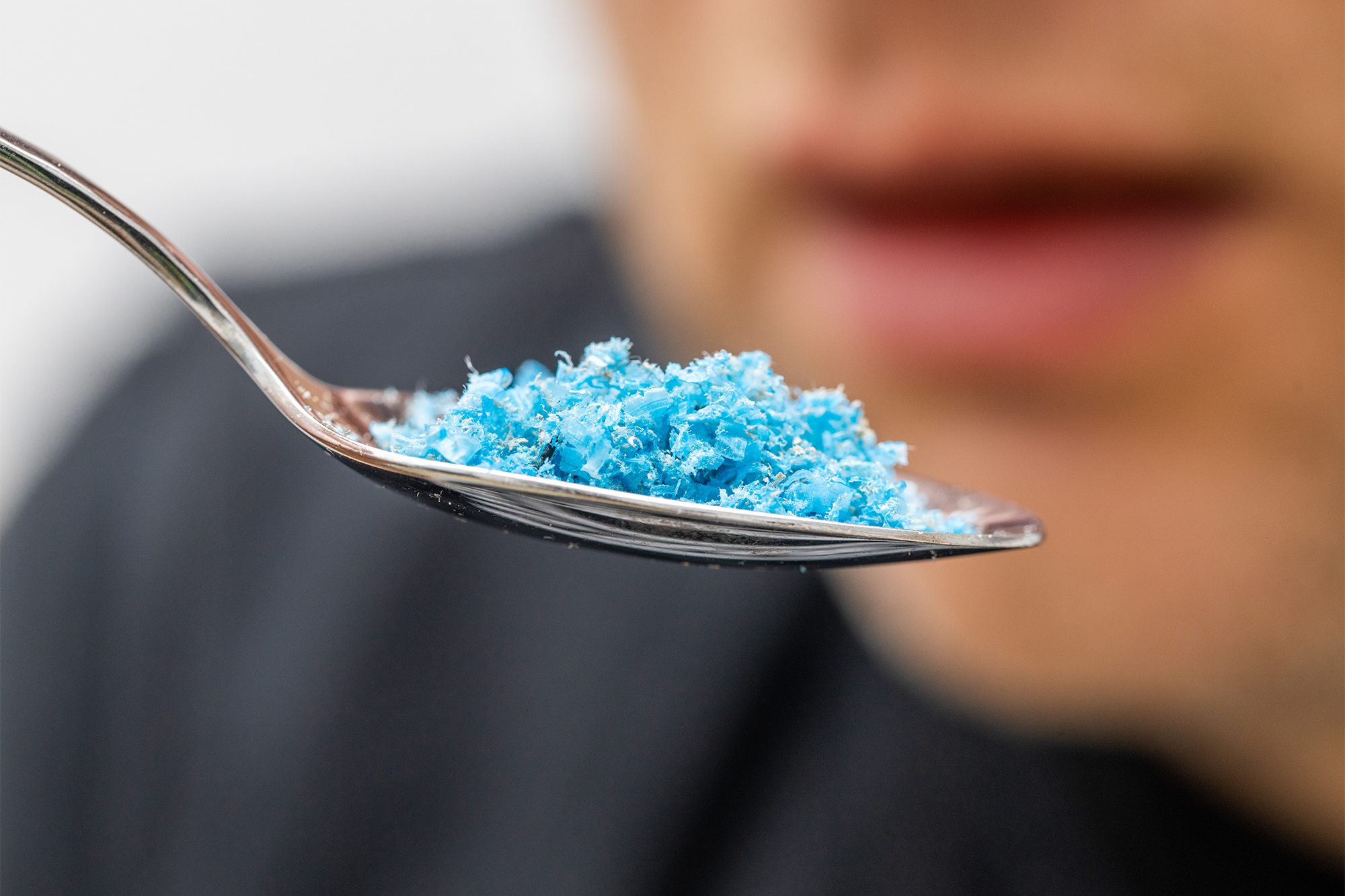
Additionally, the brain’s high fat content may explain why UPFs deliver more than a plastic spoon’s worth of tiny fragments derived from plastics.
Ultra-processed foods may be the reason why so many plastic particles are ingested and make their way to the brain. Maria – stock.adobe.com Ultimately, highly processed foods come in near constant contact with plastic, from manufacturing to packaging to heating and storage.
There is a large amount of evidence connecting UPFs with worsened brain health, among other health concerns and issues.
Higher consumption of these foods was associated with a 44% increase in depression and a 48% increase in anxiety.
Eating more of these nutritionally-devoid foods has also been linked to an increased risk of dementia and risk factors associated with the condition, such as type 2 diabetes, cardiovascular disease and obesity.
And even just five days of eating junk food can result in 32 poor health outcomes, including a higher risk of cardiovascular disease, cancer, metabolic syndrome, nonalcoholic fatty liver disease and even premature death.
Despite the evidence, researchers note that these are observational findings and that there is simply a strong pattern between UPFs and plastic content continuing to show up in the brain.
Preliminary research has found a procedure called therapeutic apheresis that filters a patient’s blood plasma outside the body (similar to dialysis) to be effective in removing plastics.
However, it’s unclear how much is cleared out from plasma and tissue and whether the procedure can be replicated for large populations.