Scientists warn that allowing access to deposits near vital ice reserves threatens food production sustaining 400 million people
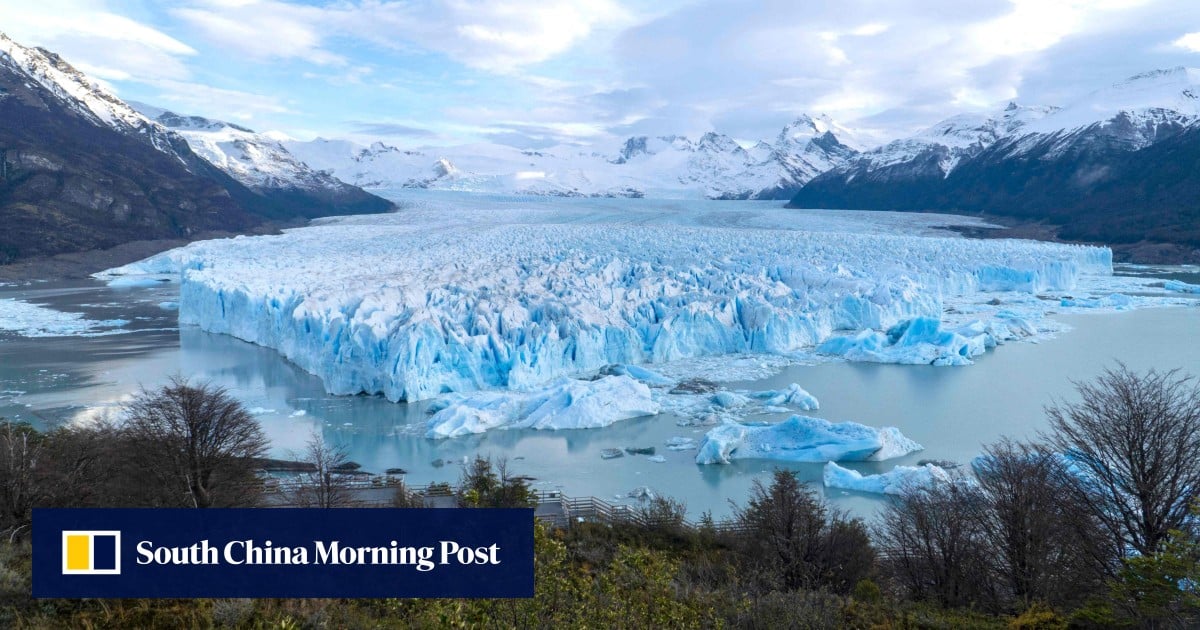
4-MIN READ4-MINEmiliano Martínez ViademontePublished: 6:00am, 10 May 2026Beneath the shining white glaciers of the Andean mountains lie valuable deposits of gold, copper and molybdenum which, until recently, were off-limits to the mining companies that have set their eyes on these untapped minerals.
That could be about to change, after legislators in Argentina agreed to amend the Glacier Law that has prohibited all mining and exploration activities in the country’s glacier regions since 2010.
The legislation defined the country’s 16,000 glaciers – covering an area of 8,484 sq km (5,270 square miles) – as public goods, because of their importance as freshwater reserves, their role in biodiversity, their scientific value and their appeal as tourist attractions.
The amendment to the glacier protection law passed last month by the Argentine National Congress will make it easier to mine in the glacier regions, despite the role of these areas as vital water sources.
Japanese scientists study ‘growing’ glaciers in Tajikistan for clues to slow global ice melt
Japanese scientists study ‘growing’ glaciers in Tajikistan for clues to slow global ice meltAccording to Andres Folguera, a professor with the department of geological sciences at the University of Buenos Aires, the minerals “are not extracted today because they compromise water resources protected by the former law or because they are difficult to access”.