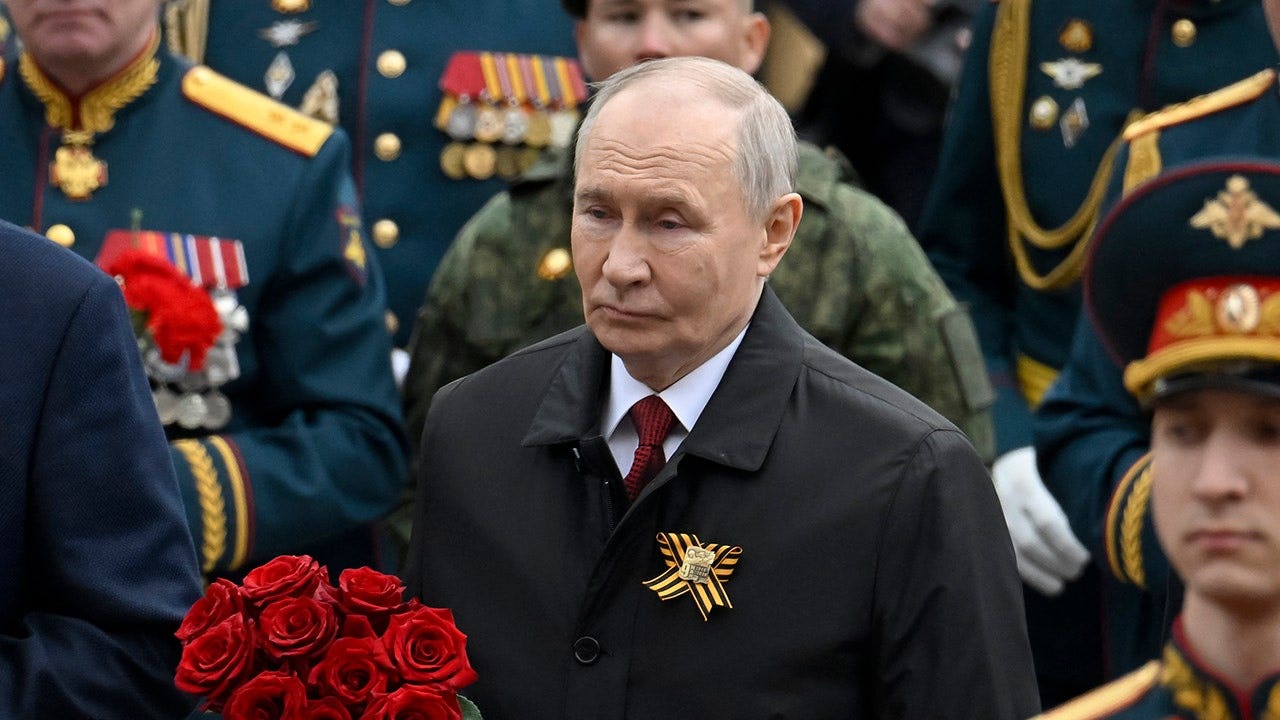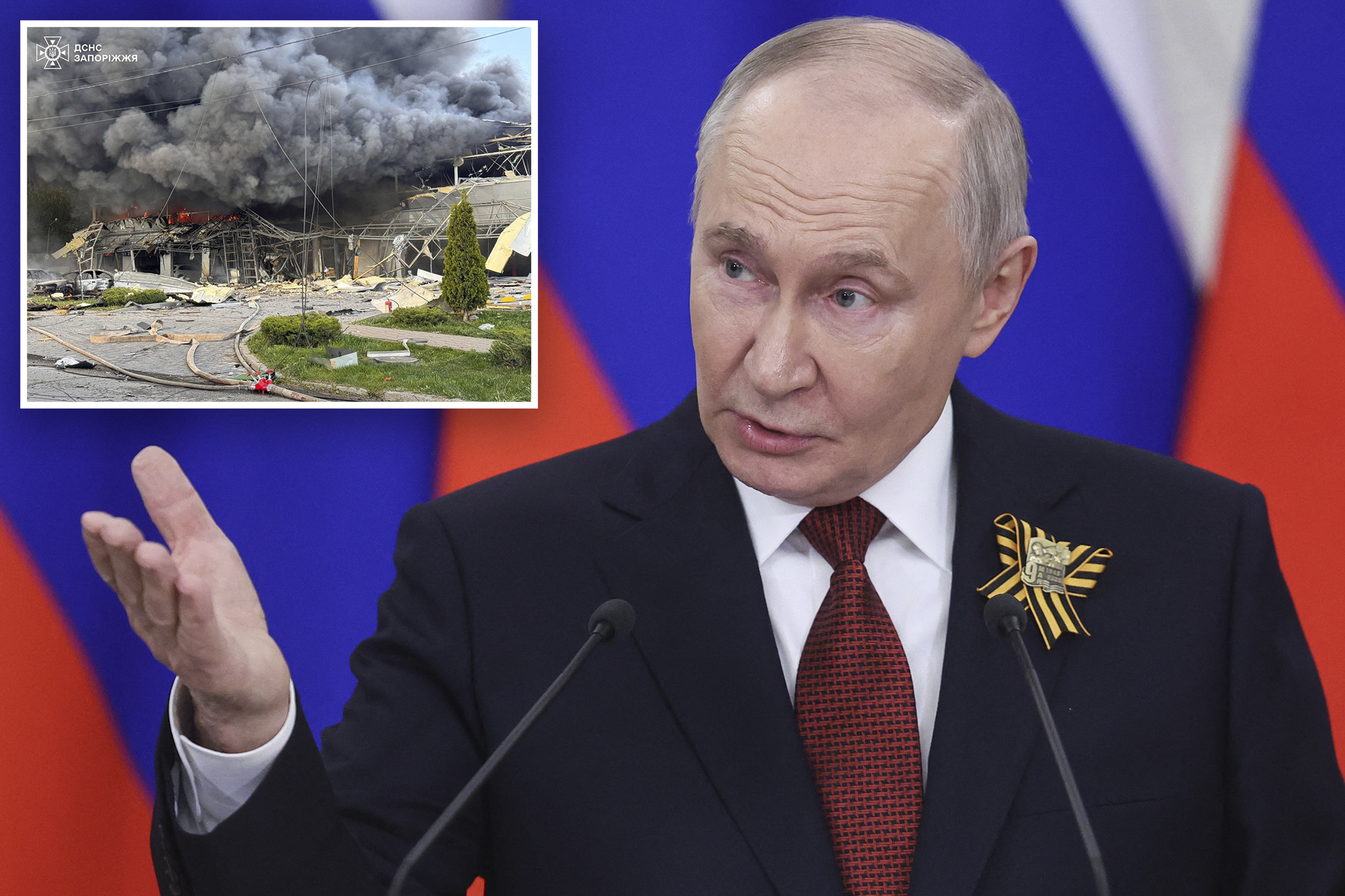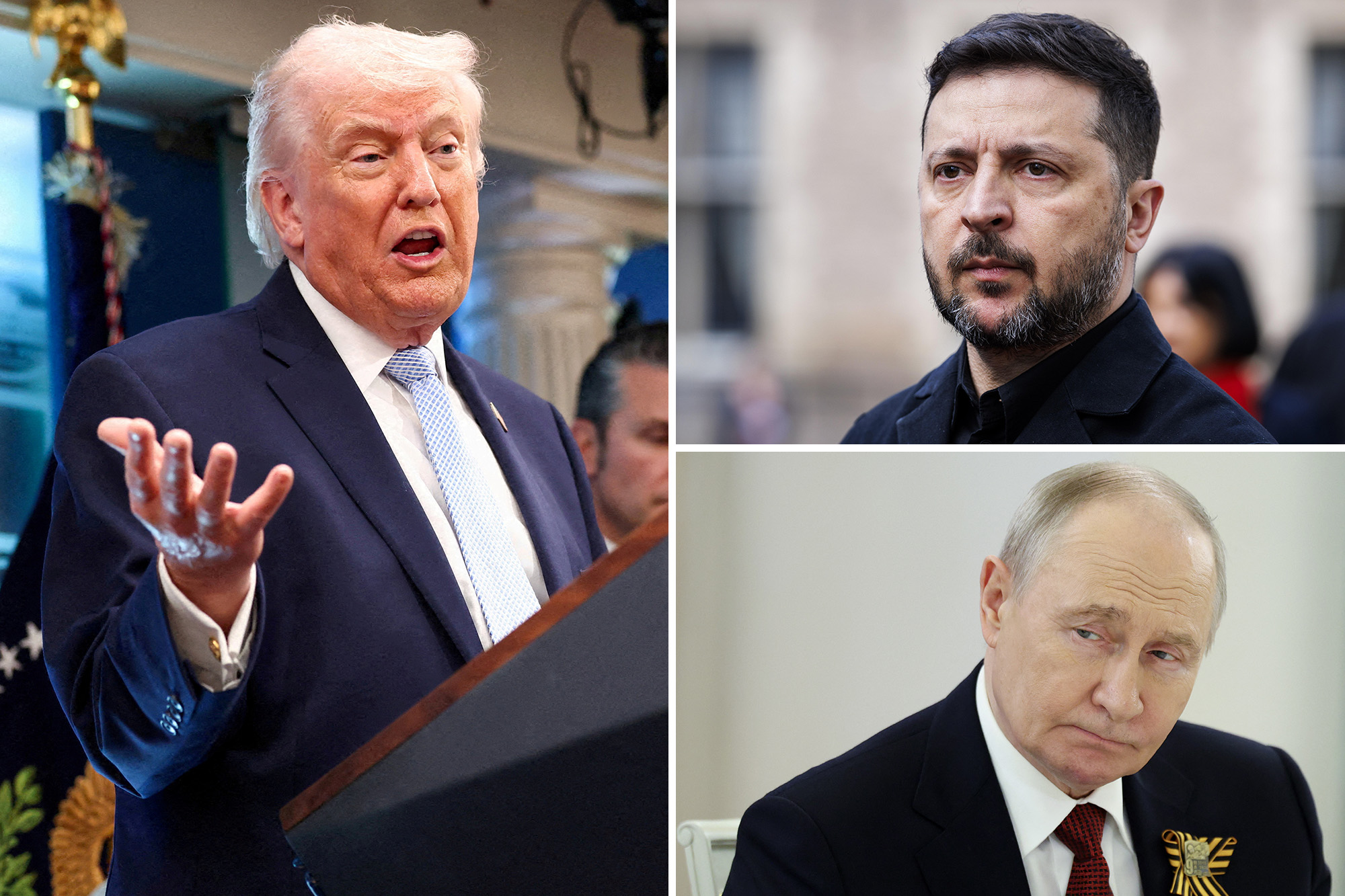
President Trump said he is ready to send a high-powered US delegation into Moscow as part of an intensified push to end the four-year-long war between Russia and Ukraine.
“I would do that,” Trump told reporters during a press gaggle near the White House Saturday, when asked if he would send negotiators directly to the Russian capital.
“I would very much like to see the end of the conflict … where 25,000 young soldiers died last month,” he added of the fighting that’s been Europe’s deadliest since World War II.
The remarks come with negotiations stalled due to the ongoing Iran war, and on the heels of a fragile three-day cease-fire between the warring countries brokered by Washington.
Ukrainian President Volodymyr Zelensky vowed not to disrupt Russia’s annual Victory Day parade in Moscow Saturday — marking the Soviet Union’s historic victory over Nazi Germany in World War II — as the countries exchanged 1,000 prisoners of war on each side over the weekend.
The temporary cease-fire appeared to hold overnight, without any major attacks reported by either side after midnight Friday. The pause in fighting is supposed to remain in place until Monday.
The truce marks a rare — and at three days one of the longest — period without an air raid alert over Ukraine since the start of the war in February 2022.
Russian President Vladimir Putin, meanwhile, suggested he would be willing to sit-down with Zelensky face in a neutral country, but only once final agreements to end the war have been reached.
The strongman emphasized the potential face-to-face meeting would be focused on signing the agreements — not on negotiations, Russian state television reported Saturday
The two sides are still far apart when it comes to a deal though, with the main difference over who will get control of the contested Donbas region.
A key goal of Putin has been to seize control of all of Ukraine’s industrial heartland of Donbas, made up of the eastern Luhansk and Donetsk provinces.
Russia currently occupies virtually the entire Luhansk region and roughly 81% of Donetsk, compared to 76% in September, according to the latest estimates from the DC-based Institute for the Study of War.