play Live Sign upShow navigation menuplay Live Click here to searchsearchSign upEconomy|Business and EconomyFinancial struggles burden Yemen’s army as soldiers wait for wagesYemeni soldiers earn $38 to $116 monthly, but an unstable currency erodes the value of their salaries.
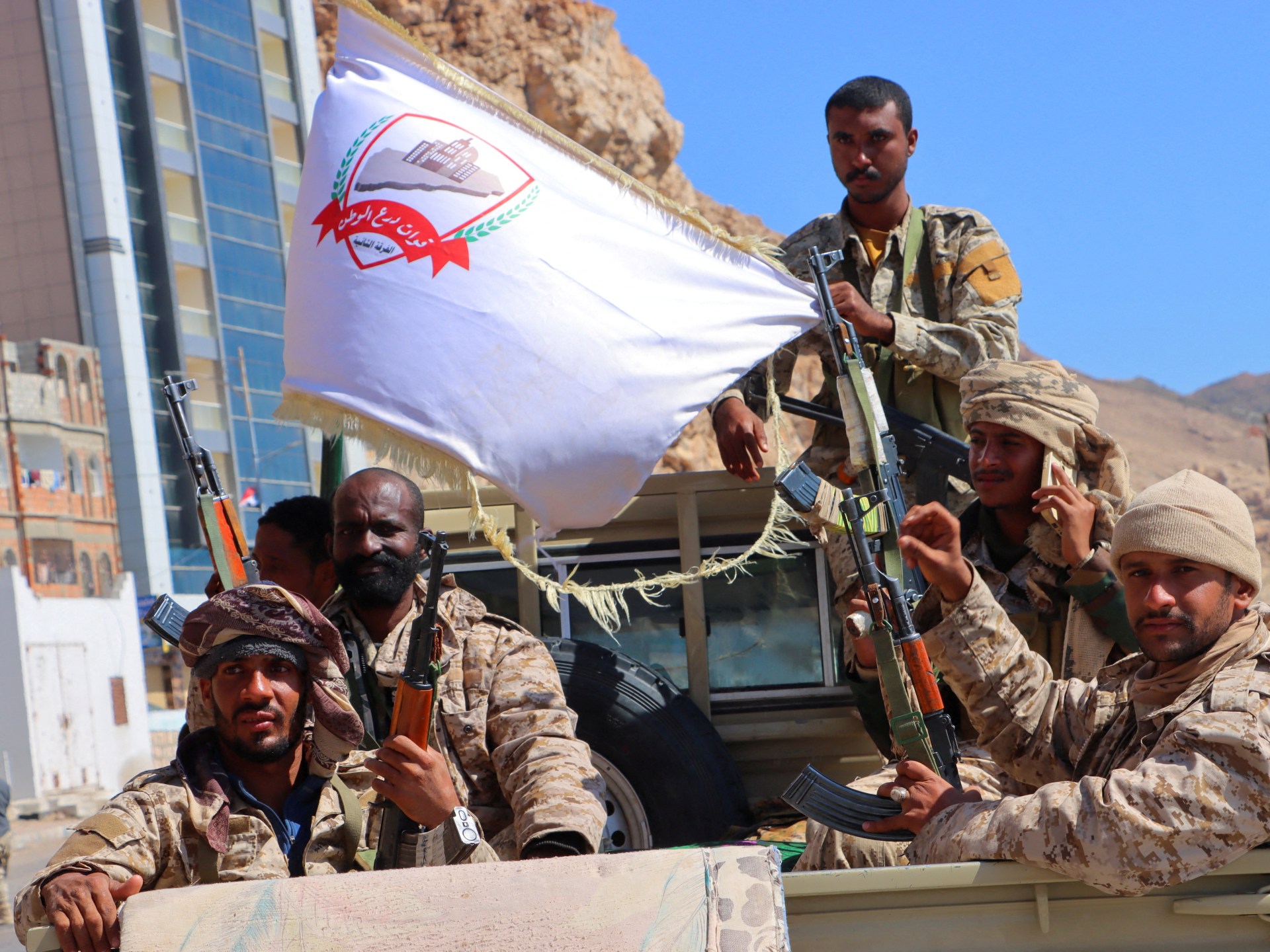
xwhatsapp-strokecopylinkgoogleAdd Al Jazeera on GoogleinfoGovernment soldiers ride on the back of a pick-up truck in the Arabian Sea port city of Mukalla [File: Reuters]By Abdullah Qatran and Al Jazeera StaffPublished On 9 May 20269 May 2026Marib, Yemen – Inside a military facility on the outskirts of this western Yemeni city, soldier Suleiman al-Hajj sits beside two of his comrades in a sparse room where they spend most of their on-duty hours.
Worry is etched on his face as he makes another call and sends a flurry of messages in search of a loan as another salary payment from the army is delayed.
It is a recurring issue in the armed forces of Yemen’s internationally recognised government, in which the hardships of the battlefield merge into everyday life with serious implications for the military’s efficiency.
Army personnel earn 60,000 to 180,000 Yemeni riyals per month, roughly $38 to $116.
One military source who requested anonymity told Al Jazeera that the size of the regular Yemeni army ranges from 180,000 to 220,000 personnel but only about 30 to 40 percent serve on the front lines. The rest are in support roles or on guard duty.
The army receives a budget of roughly 36 billion riyals each month, about $23.2m, with about 17 billion riyals allocated to the Fourth Military Region based in Aden, the city back under government control after about six years in southern separatist hands.
One officer told Al Jazeera that his soldiers last received their salaries in December although the government had promised that any arrears would be paid by Eid al-Adha, the Muslim holiday due to fall in late May and a time of gift giving and feasts.
“We are soldiers of the state, and we do not know of any party responsible for securing our salaries other than the government, represented by the Ministry of Defence and the presidency of the General Staff,” he said. Despite the hardships, the soldiers remain at their posts, fulfilling their duties, the officer added.
The government has a deep need for its soldiers. It has been fighting the Houthi rebels since 2014. They have taken over Sanaa, the capital, forcing the government to move to Aden.
The war has caused money troubles for both sides. They have targeted each other’s main sources of revenue, leaving both strapped for cash and struggling to pay government salaries and fund basic services in areas under their control.
There are a range of military formations in government-controlled areas that operate outside the umbrella of the Ministries of Defence and Interior for which salaries are said to be higher and payments more consistent.
From 120,000 to 150,000 personnel serve in the Security Belts, Elite Forces, Giants Brigades and National Resistance with fighters earning up to $320 per month, one official told Al Jazeera.
Soldiers’ delayed wage payments highlight two clear challenges for the Yemeni military: one regarding the cost of living and another about how resources are distributed.
Military affairs analyst Iyad al-Masqari believes the situation could compel soldiers to join irregular military formations, such as the Security Belts, where more regular payments would be guaranteed, leaving the army with a shortage of experienced fighters.
Economic expert Mohammed al-Jamaei said he believes the salary delays point to deeper problems within the army about how resources are distributed and that the continued problem of arrears is forcing soldiers to seek alternative sources of income, potentially impacting discipline within the ranks.
Because of its war, Yemen is experiencing one of the world’s worst humanitarian crises. Unemployment is high, and the value of the rial has plummeted, putting pressure on soldiers even when they are paid.
Traders in Marib, Aden, Taiz and other areas also rely on soldiers’ spending their salaries in local shops and markets, and late wage payments result in slower economic activity in these cities.
The Defence Ministry has previously blamed the issue of arrears on financial constraints, citing liquidity shortages, declining resources and complications in the distribution of salaries.
Disparities in payments ultimately stem from issues outside the official budget, the ministry said, but it has promised that efforts are under way to improve the disbursement of salaries.
Until then, soldiers in Marib and other front-line cities are fighting not just on the battlefield but also against poverty, testing soldiers’ abilities to continue their duties.