British Prime Minister Keir Starmer insisted Friday he was “not going to walk away” from the job with his Labour Party on course to be badly beaten in local and regional elections.
Control of 136 local authorites in England, as well as the devolved parliaments in Scotland and Wales, were up for grabs Thursday. While many commentators had expected Labour to suffer heavy defeats amid public discontent with the economy, immigration and Starmer himself, partial results indicated the party was on track to take worse losses than even the most pessimistic predictions suggested.
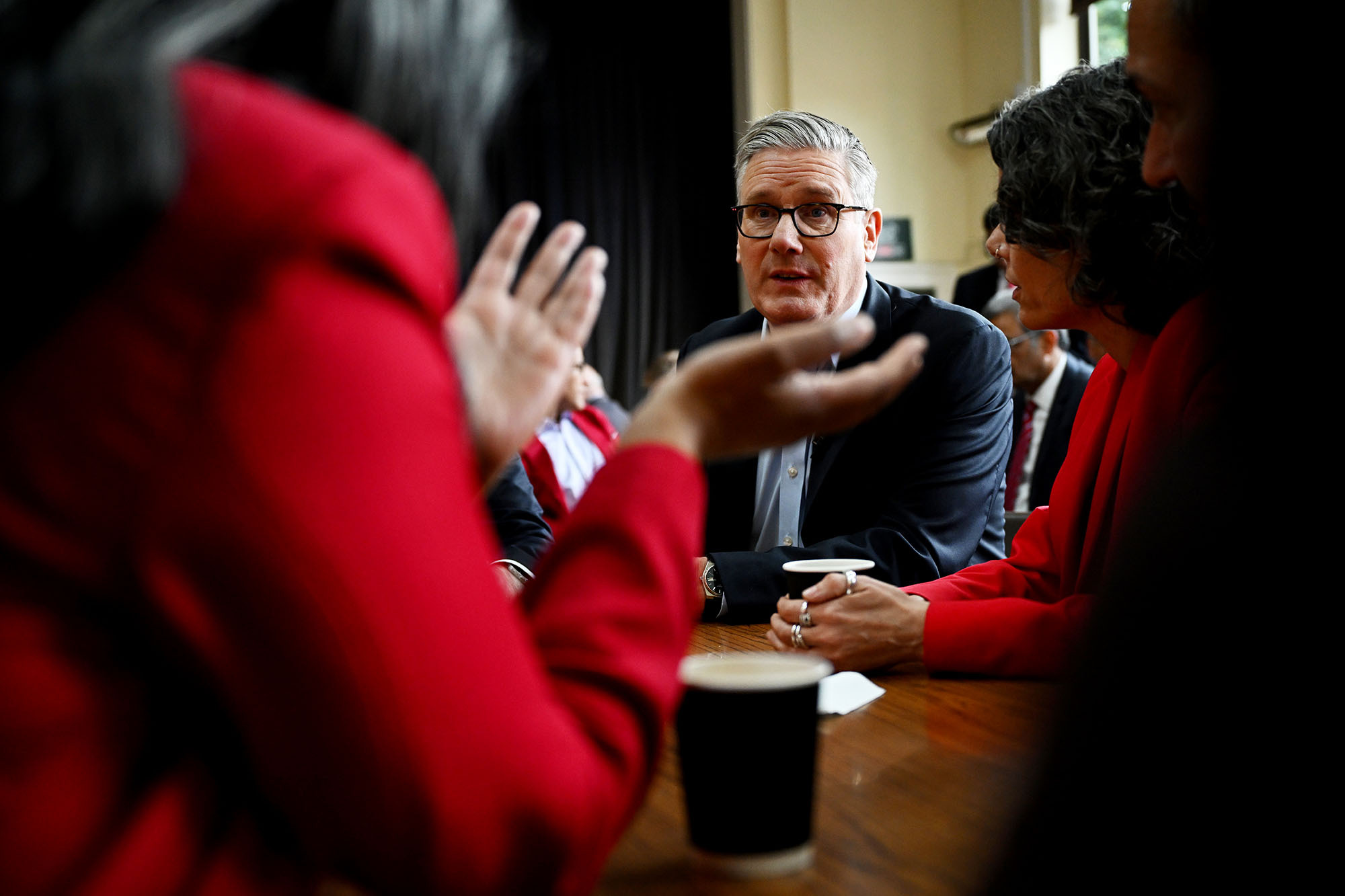
“The voters have sent a message about the pace of change, how they want their lives improved,” Starmer said. “I was elected to meet those challenges, and I’m not going to walk away from those challenges and plunge the country into chaos.”
Even if Starmer survives for now, many analysts doubt he will lead Labour into the next national election, which must be held by 2029.
Deputy Prime Minister David Lammy cautioned the party not to topple the prime minister, saying “you don’t change the pilot during the flight.”
With a little more than a quarter of the 5,066 English council seats declared, Reform UK, led by veteran populist and Brexit mastermind Nigel Farage, had gained more than 450 of them — both in working-class areas such as Hartlepool in the north that once were solid Labour turf, as well as historic Conservative areas like Havering on the eastern edge of London.
In Wales, Labour were expected to lose control of the Cardiff parliament, the Senedd, for the first time since the body’s creation in 1999, with reports suggesting the governing party would be beaten into third by Welsh nationalists Plaid Cymru and Reform UK.
In Scotland, the Scottish National Party, were projected to form the largest party in the Holyrood parliament, but it was unclear whether it would gain the outright majority supporters say it needs to push for a second independence referendum inside 15 years.