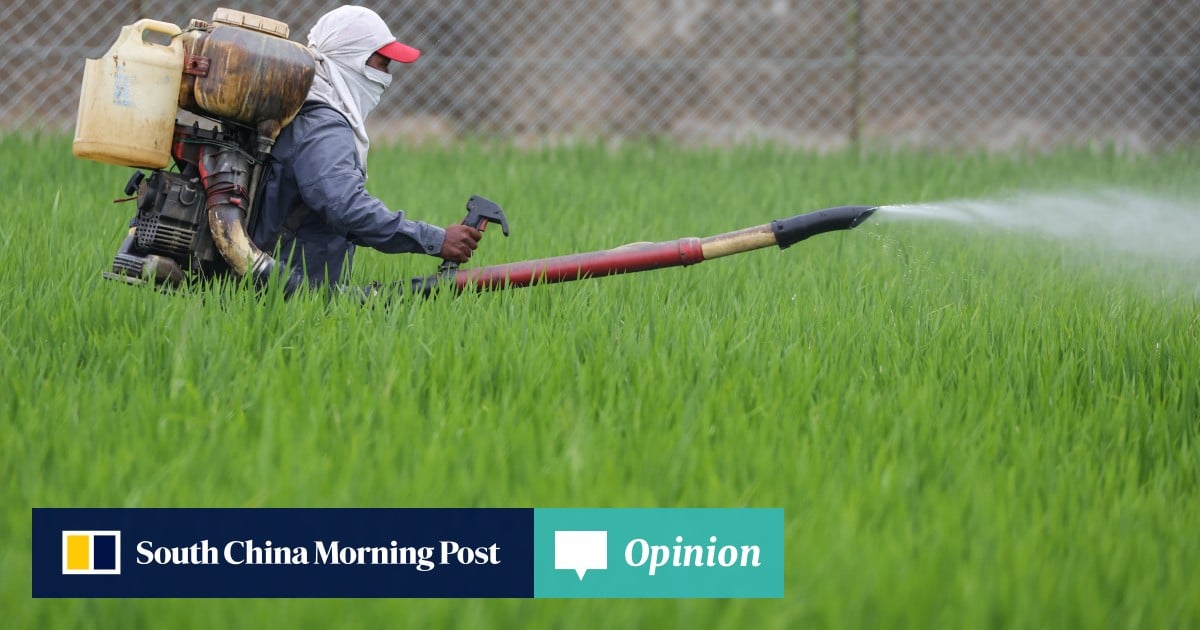
The energy and fertiliser shocks come amid crucial planting windows for Asia’s farmers, exposing the region’s dire dependencies
3-MIN READ3-MIN ListenGenevieve Donnellon-MayGenevieve Donnellon-May is a geopolitical and global strategy adviser interested in regional resource conflict and environmental governance in Asia and Africa. Published: 4:30pm, 6 May 2026Asia’s next food crisis is under way. After the US-Israeli strikes on Iran, shipping through the Strait of Hormuz collapsed, sending shock waves across energy, fertiliser and food systems. Fuel, freight and fertiliser costs are rising sharply, amplified by skyrocketing insurance premiums – feeding directly into the price of every tonne of fertiliser that still reaches the market.
The scale of disruption reflects the strait’s outsize role in global trade. It carries around one-third of globally traded fertiliser, one-quarter of seaborne oil and a major share of liquefied natural gas (LNG) – the primary feedstock for nitrogen fertiliser production.
A ceasefire would only offer limited immediate relief: disrupted contracts, supply chains and insurance markets cannot be restored quickly, and there are no international strategic fertiliser reserves to cushion the shock.