Critics of California’s long-overdue high-speed rail project are aghast after statehouse Democrats pushed through legislation that would give the rail auditor the power to shield its reports from the public.
The bill, which passed the California Assembly on Monday and sits at the state Senate, lets the Inspector General do so if publication “would pose a substantial and articulable risk to the project or to state operations if publicly disclosed.”
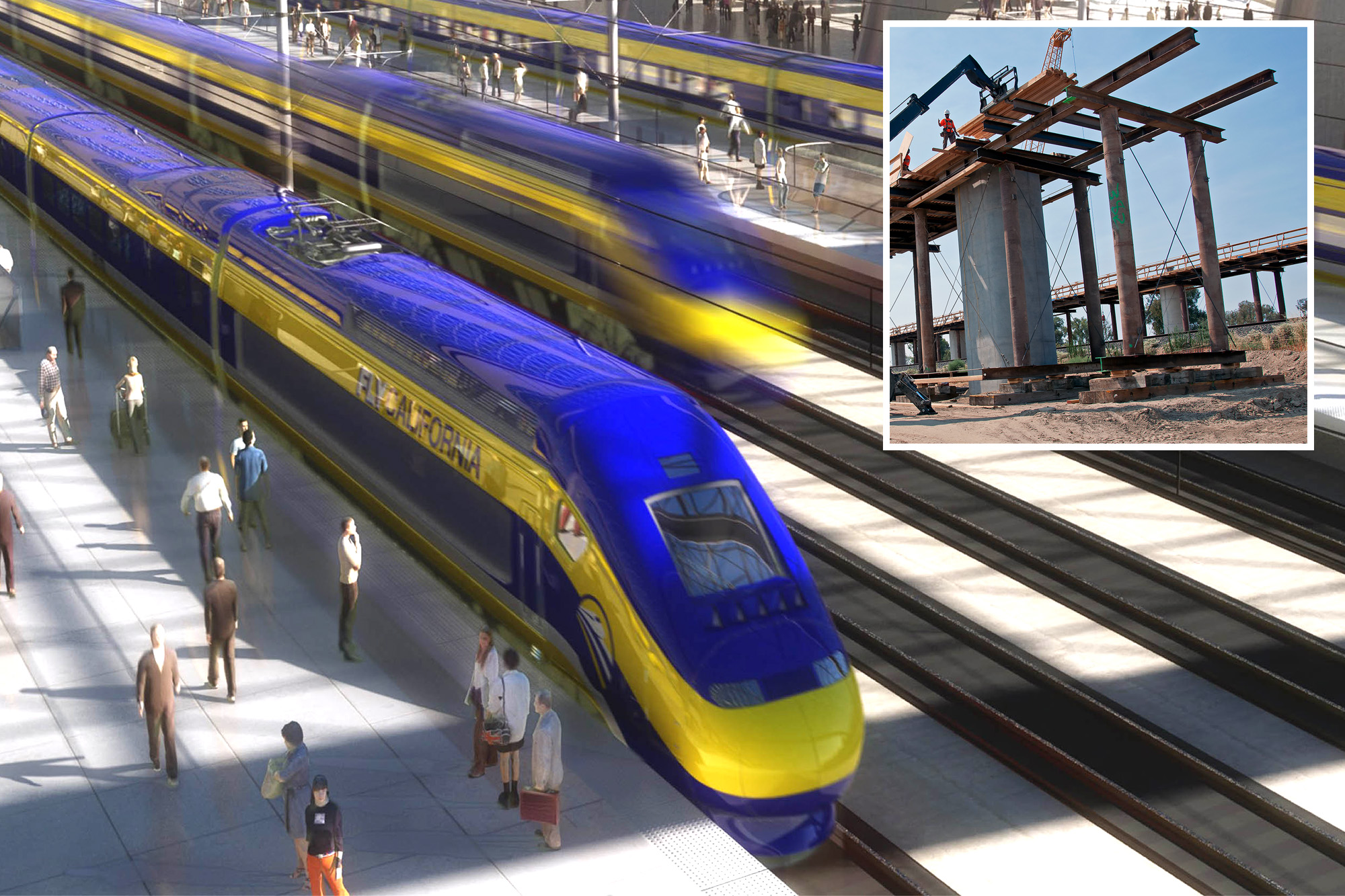
This image provided by the California High Speed Rail Authority shows an artist’s rendering of a high-speed train station. AP The role of the Inspector General has gained even more prominence in light of new estimates that the total cost of the train has ballooned to $231 billion. The fantasy project, which broke ground in 2015, is far from finished.
Letting the Inspector General hide details, critics say, is the wrong move.
“$6,000,000,000 in overruns. Central Valley farmland gutted for empty promises. And now, they want to bury the evidence?” said Assemblymember Alexandra Macedo (R). “If this project is great, they wouldn’t pass laws to hide audit reports.”
Insight is needed now more than ever after analysts raised red flags with the High-Speed Rail Authority’s new business plan. A state analysts’ report warned of “several issues”, such as uncertain funding assumptions and shifting the project’s scope in violation of current state law.
If details are determined confidential, the bill would have the auditor only deliver the report to state officials overseeing the project.
The bill’s author, Assemblymember Lori Wilson (D), dismissed the criticism and said the bill actually improves transparency.
“Concerns were initially raised that this bill would keep information confidential. In fact, this bill does the exact opposite by requiring the inspector general to make its reports public, which is not required under current law,” she said Monday on the Assembly floor.
High-speed rail in construction of the San Joaquin River Viaduct. Getty Images Wilson noted that she worked with the nonprofit First Amendment Coalition to improve public access to records as much as possible under the legislation. Legitimate confidentiality needs, such as those related to security, have to be balanced with the public’s right to know, she said.
State Republicans still didn’t buy the justifications and wondered if it could be used to hide bad results.
“I also think that if an audit of the high speed rail is so poor that it may pose a risk to the project, that is information that both the public and their representatives should be, by all means, made aware of,” said Assemblymember Diane Dixon.
“Instead, this legislation seeks to hide that information to save face and ensure that the project continues uninterrupted,” she added.
The bill has until end of August to be sent to the governor. In the meantime, the rail project isn’t catching a break — the High-Speed Rail Authority board punted a vote last week on the long-awaited business plan.