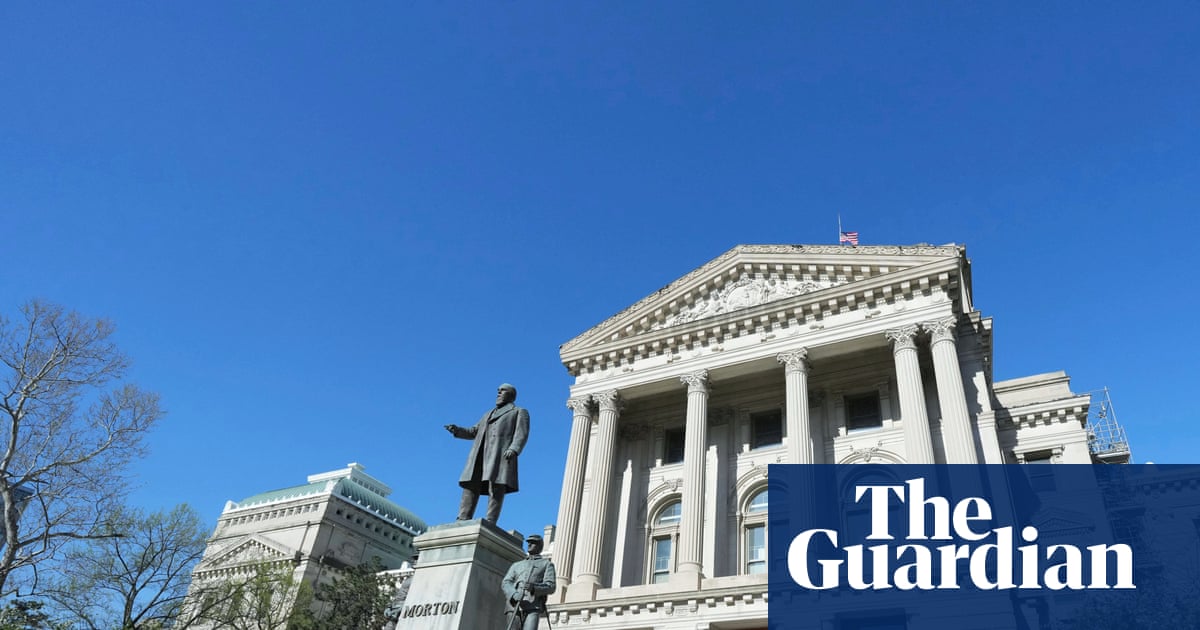
Seven state senators who voted against Donald Trump’s redistricting push now face challengers endorsed by the president. Photograph: AJ Mast/APView image in fullscreenSeven state senators who voted against Donald Trump’s redistricting push now face challengers endorsed by the president. Photograph: AJ Mast/APCan Indiana lawmakers win after defying the president’s vote?Seven Republican state senators battle for re-election against candidates backed by Donald Trump
Indiana voters go to the polls today in a test of the Republican party’s staying power after the party’s state lawmakers resisted Donald Trump’s bruising campaign to pressure them into redrawing the congressional districts.
The vote has turned into a statewide referendum on political retribution.
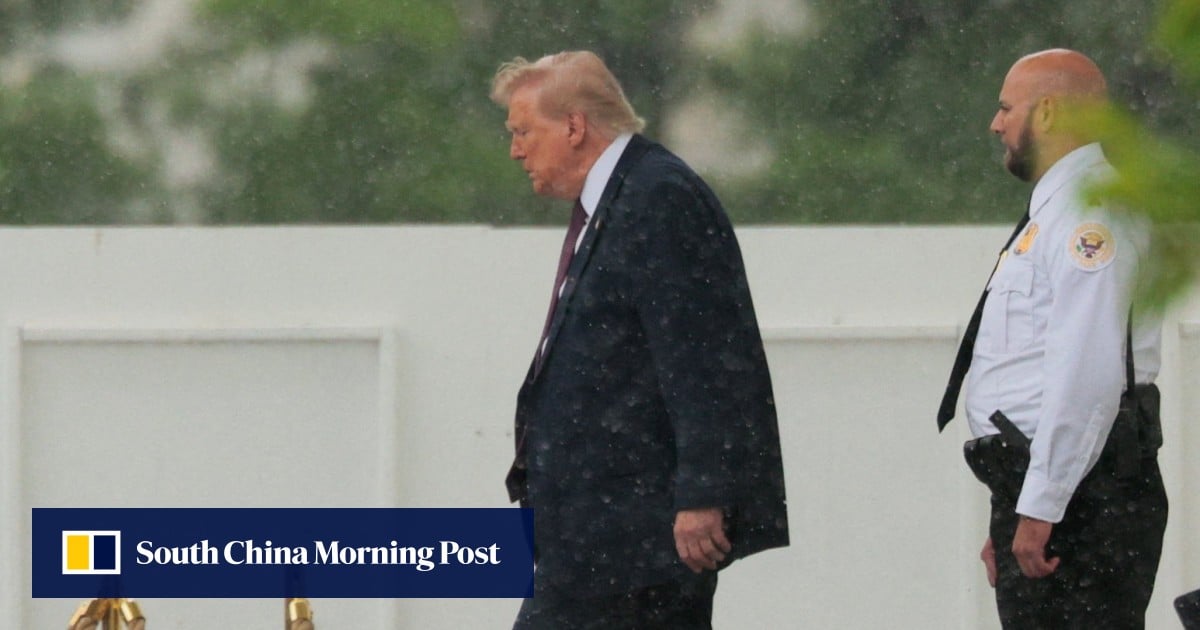
Seven state senators who voted against Trump’s mid-decade redistricting push now face challengers endorsed by the president, who said that “every one of these people should be “primaried,” after the effort failed.
Trump-aligned dark money groups have spent upwards of $7m on TV ads in Indiana this year, according to a tally from AdImpact – the majority spent targeting Republicans who allied themselves with Democrats in the December redistricting vote.
Read moreGreg Goode, a first-term Republican representative from Terre Haute, now faces a competitive race in district 38 against city council member Brenda Wilson – who received backing from both Mike Braun, Indiana’s governor, and Trump – as well as a third candidate, Alexandra Wilson, who shares her last name but bears no relation.
Goode voted against Trump’s redistricting push after hosting a town hall event in which 71 people spoke out against the revision and none spoke in favor.
Jim Buck, a state senator from Kokomo, also faces a Trump challenge, after 18 years in office.
“We’ve never had Washington meddle into our elections like they have this time,” Buck told NPR. “Now I’ve got over $1m against me in one race.”
One ad takes aim at the 80-year-old public servant by calling him “old, pathetic, liberal”.
Republicans control seven of Indiana’s nine congressional districts, and the overall balance of power is unlikely to change in this years’ midterm vote. Trump’s redistricting scheme took aim at breaking up Indiana’s first and seventh congressional districts, representing the urban centers of Indianapolis and Gary, where Democrats have consistently held seats.
Party-spending patterns indicate that they expect to hold the seats – Democratic advertisers make up less than 1% of the $25.5m in ad spending in the Indiana’s 2026 primary contest, AdImpact data shows.
Half of Indiana’s 50 state Senate seats and all 100 state House seats are up for election in 2026.
Unlike in Indiana, lawmakers in Texas, Missouri, North Carolina and Ohio all dutifully passed redistricting measures aimed to boost Republican control. Representatives in Alabama and Tennessee have already called for special sessions to discuss redistricting after last week’s landmark supreme court ruling paved the way for revisions in Louisiana.
Democrats recently redrew the voting maps in California.
In the final days before Indiana’s contentious primary vote, Trump issued a call to his TruthSocial followers, and instructed them to vote for a “true MAGA Warrior”. If they needed help finding the polls, he included a link to voting locations on his party’s campaign engine, “SwamptheVote”.