play Live Sign upShow navigation menuplay Live Click here to searchsearchSign upNews|US-Israel war on Iran‘Dangerous escalation’: World condemns Iran after attacks on UAESaudi Arabia, Qatar, Kuwait, Bahrain and Jordan denounce missile and drone strikes, as Germany, UK and Canada call for Iran to return to talks.
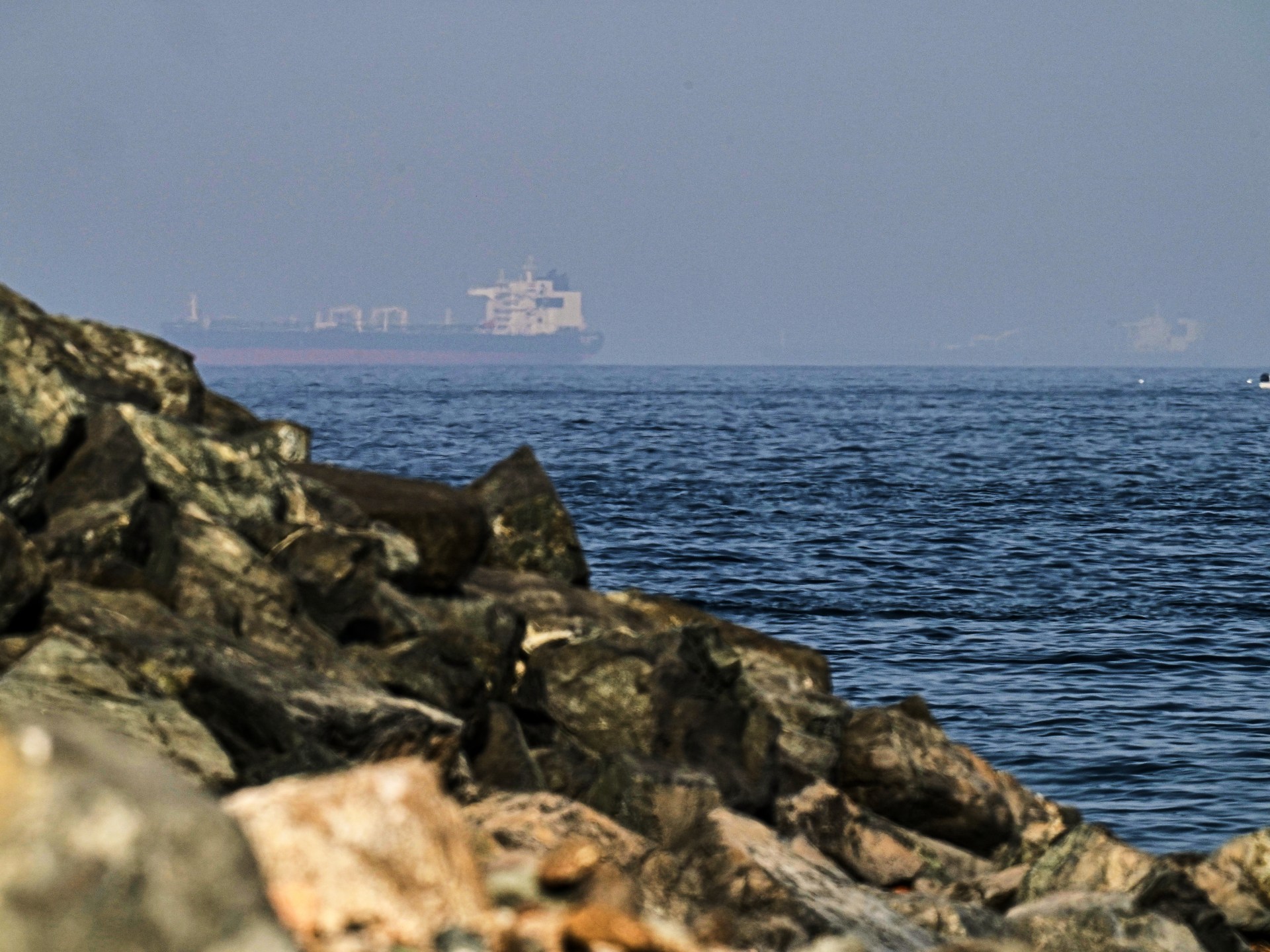
xwhatsapp-strokecopylinkgoogleAdd Al Jazeera on GoogleinfoCargo ships are seen at sea in the Gulf of Oman near the Strait of Hormuz, as viewed from a rocky shoreline near Khor Fakkan, United Arab Emirates, on May 1, 2026 [Fatima Shbair/AP]By Al Jazeera StaffPublished On 5 May 20265 May 2026Tensions are rising in the Gulf again after the United Arab Emirates said it intercepted 15 missiles and four drones fired from Iran and warned that it reserves the right to respond to the “treacherous” attacks.
The attacks on Monday mark the first time the UAE has been targeted since Iran and the United States agreed to a ceasefire on April 8.
According to authorities in the UAE, one drone attack set off a “large” fire at the Fujairah Petroleum Industries Zone and wounded three Indian nationals. Officials also said Iran attacked an empty crude oil tanker belonging to the state oil firm as it attempted to pass through the Strait of Hormuz.
Here’s how officials around the world responded to the attacks:
The Saudi Ministry of Foreign Affairs said it condemned and denounced “in the strongest terms” the Iranian targeting of civilian and economic facilities in the UAE, as well as a vessel belonging to an Emirati company.
“The kingdom affirms its solidarity with the brotherly United Arab Emirates in the measures it takes to preserve its sovereignty, security and territorial integrity, and calls on the Islamic Republic of Iran to cease these attacks,” it added.
Qatar said it “strongly condemns the renewed Iranian attacks” and considers the strikes to be a “blatant violation of the UAE’s sovereignty and a serious threat to the security and stability of the region”.
Qatar also affirmed its “full solidarity” with the UAE and said it supported “all measures taken by the UAE to preserve its sovereignty, security, and territorial integrity”.
Kuwait’s Ministry of Foreign Affairs condemned Iran’s “reprehensible aggression” in targeting a UAE oil tanker and deploying drones in a “direct threat to maritime navigation in the Strait of Hormuz”.
Iran’s actions were a “clear breach of the principle of freedom of navigation in international waterways, threatening regional security and the safety of global supply lines”, it said in a statement on X.
The ministry also called for an immediate end to all aggression, and said it would support the UAE and “all measures it takes to protect its security and interests”.
Bahrain’s Ministry of Foreign Affairs denounced the “Iranian terrorist attacks” and said it considered the strikes “a dangerous escalation that threatens the security and stability of the region”.
It also expressed support for the UAE in any retaliatory measures it takes and called on the United Nations Security Council “to take firm and deterrent positions and measures against these repeated and unjustified Iranian attacks”.
Jordanian Minister of Foreign Affairs Ayman Safadi spoke with his Emirati counterpart, Abdullah bin Zayed Al Nahyan, and condemned “the renewed Iranian attacks on the UAE”, according to the Petra news agency.
Safadi reiterated Jordan’s “absolute solidarity” with the UAE “in confronting these attacks”. He described the strikes as “a dangerous escalation and a threat to the UAE’s security, stability, territorial integrity and the safety of its citizens and residents, as well as a blatant violation of international law and the UN charter”.
German Chancellor Friedrich Merz strongly condemned Iran’s attacks and expressed his solidarity with the people of the UAE.
“Tehran must return to the negotiating table and stop holding the region and the world hostage: The blockade of the Strait of Hormuz must end. Tehran must not acquire a nuclear weapon. There must be no further threats or attacks against our partners,” he wrote in a statement on X.
The office of Prime Minister Mark Carney said in a post on X that “Canada strongly condemns Iran’s unprovoked missile and drone strikes on the United Arab Emirates and stands in solidarity with its people”.
Carney stated that Canada commends “efforts to protect civilians and civilian infrastructure” and reiterates its call for de-escalation and diplomacy in the region.
UK Prime Minister Keir Starmer condemned the attacks and called for Iran to engage in talks to prevent any further escalation.
“We stand in solidarity with the UAE and will continue to support the defence of our partners in the Gulf. This escalation must cease. Iran needs to engage meaningfully in negotiations to ensure the ceasefire in the Middle East endures, and a long-term diplomatic solution is achieved,” Starmer said.
The regional bloc denounced the attack on the Emirati oil tanker “in the strongest terms”, with Secretary-General Jassim Mohammed Al Badawi expressing his full support for any measures the UAE takes “to preserve its sovereignty, security and stability”.
“The continuation of these brutal Iranian attacks by targeting ships passing through the strait is piracy and serious extortion of the security of sea lanes and straits,” he added.
EU Commissioner Ursula von der Leyen denounced the attacks and extended her full solidarity to UAE President Sheikh Mohamed bin Zayed Al Nahyan and his people.
“These attacks are unacceptable and constitute a clear violation of sovereignty and international law. Security in the region has direct consequences for Europe,” she wrote on X.
“So we will keep working closely with our partners on de-escalation and diplomatic resolution, to bring an end to the Iranian regime’s brutal actions, both against its neighbours and its own people.”