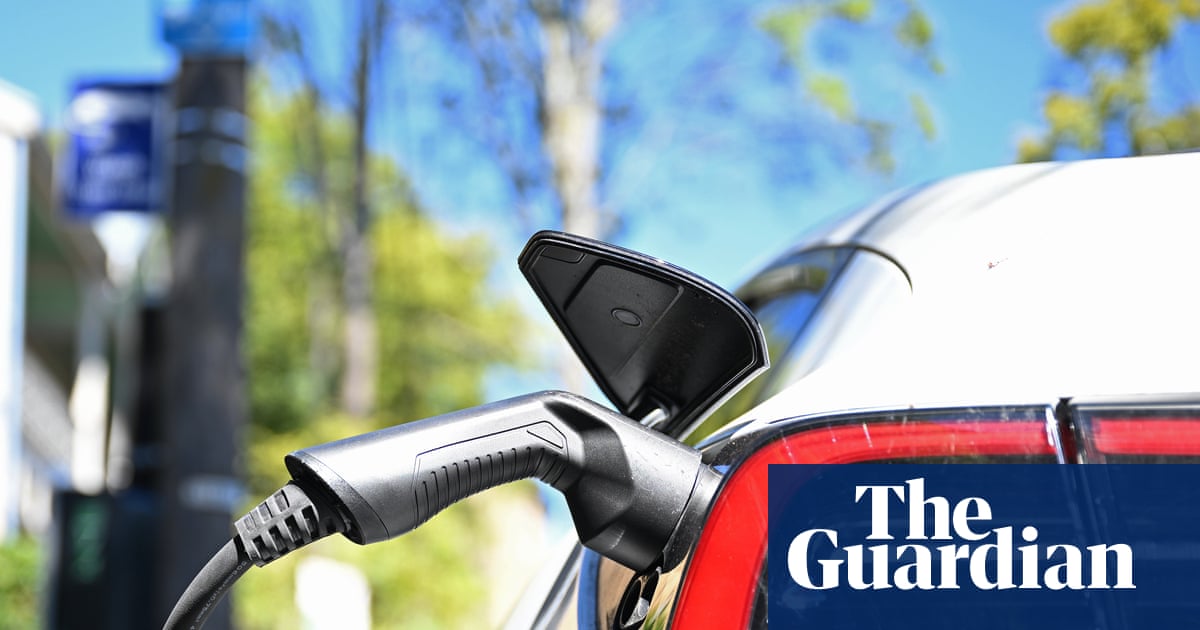
When Labor first pitched the EV discount before the 2022 election, it was projected to cost $605m in the seven years to 2029. Treasury most recently estimated it would cost $10.1bn over the same period. Photograph: Dan Himbrechts/AAPView image in fullscreenWhen Labor first pitched the EV discount before the 2022 election, it was projected to cost $605m in the seven years to 2029. Treasury most recently estimated it would cost $10.1bn over the same period. Photograph: Dan Himbrechts/AAPLabor extends EV tax break to encourage cheaper vehicles amid soaring fuel pricesAs the cost of the scheme blows out, the government has announced the full discount will be retained for another year, after which it will only apply to EVs costing less than $75,000
Get our breaking news email, free app or daily news podcast
Labor has opted to retain its electric vehicle discount in full for another year, as Australians rush to buy EVs amid soaring fuel costs linked to the Iran war.
But the budget next Tuesday will include a number of “sensible changes” that wind back the scale of support over the next three years, as the government acknowledges the need to deliver a “more financially sustainable” tax incentive for EVs amid ballooning costs of the scheme.
The electric car discount was introduced at the start of 2023 and has cut thousands of dollars from the cost of leasing an eligible EV through an exemption to fringe benefits tax (FBT).
The treasurer, Jim Chalmers, and energy minister, Chris Bowen, announced in a joint statement on Monday evening that the policy would be extended until the end of March 2027.
Read moreThe full FBT discount will then only apply to vehicles costing under $75,000 until the start of April 2029.
“The new rules will encourage manufacturers to offer more affordable and cheaper to run EVs in the Australian market,” Chalmers and Bowen said.
“The current new vehicle efficiency standards have seen a dramatic increase in the availability of affordable EV models, so now is the right time to focus the FBT exemption on these cars.”
During this second phase, electric vehicles costing more than $75,000 but priced below the luxury car tax threshold – currently set at $91,387 for fuel-efficient vehicles – would receive a 25% FBT discount.
Chinese carmakers such as BYD now sell EVs for as little as $26,000.
In the third and final phase, from 1 April 2029, the electric vehicle incentive will be limited to a 25% fringe benefits tax discount for all EVs below the luxury car tax threshold.
“We will continue to provide support for families who choose to switch to EVs as we transition to a permanent 25% discount on FBT for these cars,” the ministers said in their statement.
The unexpected popularity of the scheme has resulted in major cost blow-outs that, before the Iran war, had seemed to dampen its appeal in Canberra and triggered concerns among advocates that the government was going to ditch the discount.
When Labor first pitched the policy before the 2022 election, it was projected to cost $605m in the seven years to 2029.
Treasury most recently estimated it will cost $10.1bn over the same period, according to the Grattan Institute.
But the closure of the strait of Hormuz at the end of February and the ensuing spike in fuel costs triggered a flood of interest in electric cars, which may have changed the political calculus around the policy.
EVs accounted for 15% of new car sales in March, or twice the share from a year earlier, according to the Federal Chamber of Automotive Industries.
Sales of Tesla and Polestar vehicles in the first four months of this year were up 47% against the same period last year, data from the Electric Vehicle Council showed.
Four weeks after the start of the Middle East conflict and as unleaded prices pushed above $2.50 a litre in late March, Anthony Albanese energetically defended Labor’s backing for electric cars and home batteries, despite the cost blow-outs.
“I don’t think there’s anyone out there today who has bought an electric vehicle who’s regretting the decision at this point in time,” the prime minister said.