Animals given an experimental drug have shown significant improvement in motor function, with their brain damage reduced
3-MIN READ3-MIN ListenPark Chan-kyongPublished: 1:16pm, 4 May 2026Updated: 1:17pm, 4 May 2026South Korean scientists have identified a potentially promising new pathway for treating ischemic stroke, long considered one of the most difficult challenges in modern medicine.According to the South Korean team, doctors in China are interested in a partnership and learning more about an experimental drug that it has developed to combat the disease.
The team’s study, titled “Oxidative stress-induced astrocytic collagen biosynthesis drives glial barrier formation and neuronal death in ischemic stroke,” was published online last week in the journal Cell Metabolism.
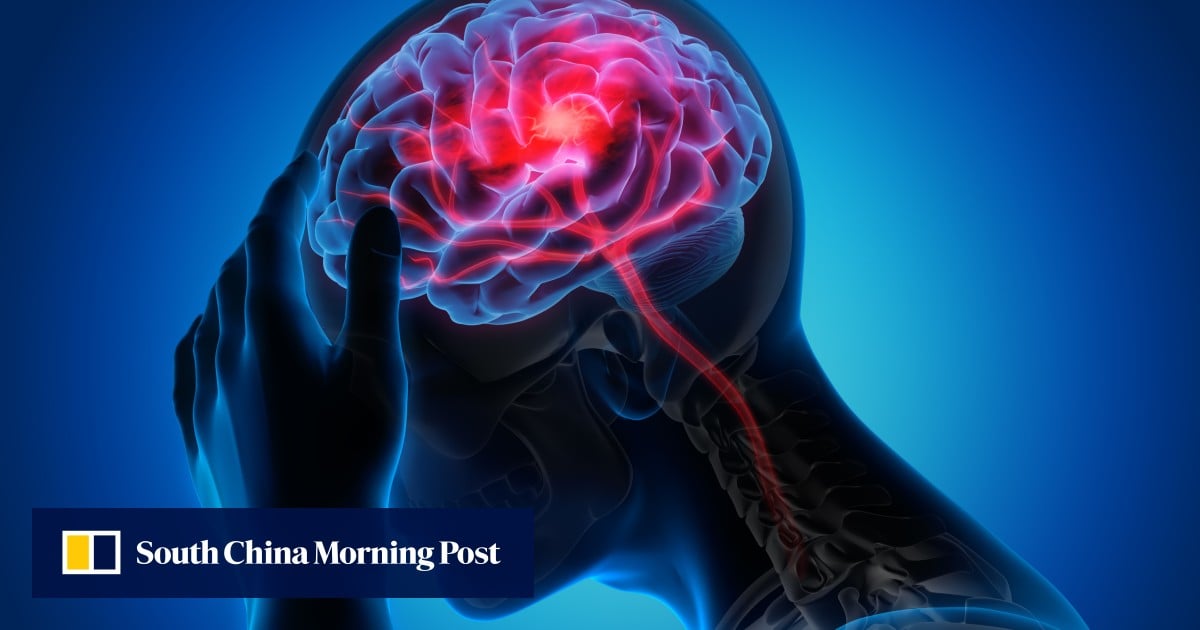
Ischemic stroke occurs when a blood clot or other blockage obstructs a cerebral blood vessel, cutting off oxygen and nutrients and causing brain cells to die.
Survivors often suffer severe aftereffects, including motor disabilities and cognitive decline. Treatment is further complicated by a narrow three-hour “golden time” window after symptom onset, during which patients must receive emergency care.