Lack of documents and lengthy process cited as barriers for homeless residents in applying for fee waivers
3-MIN READ3-MIN ListenJess MaPublished: 5:05pm, 3 May 2026Updated: 5:24pm, 3 May 2026Nearly 60 per cent of homeless residents in Hong Kong plan to reduce medical visits in response to higher public medical fees introduced this year, a non-governmental organisation survey has found, with advocates urging authorities to introduce automatic waivers and simplify subsidy application procedures.
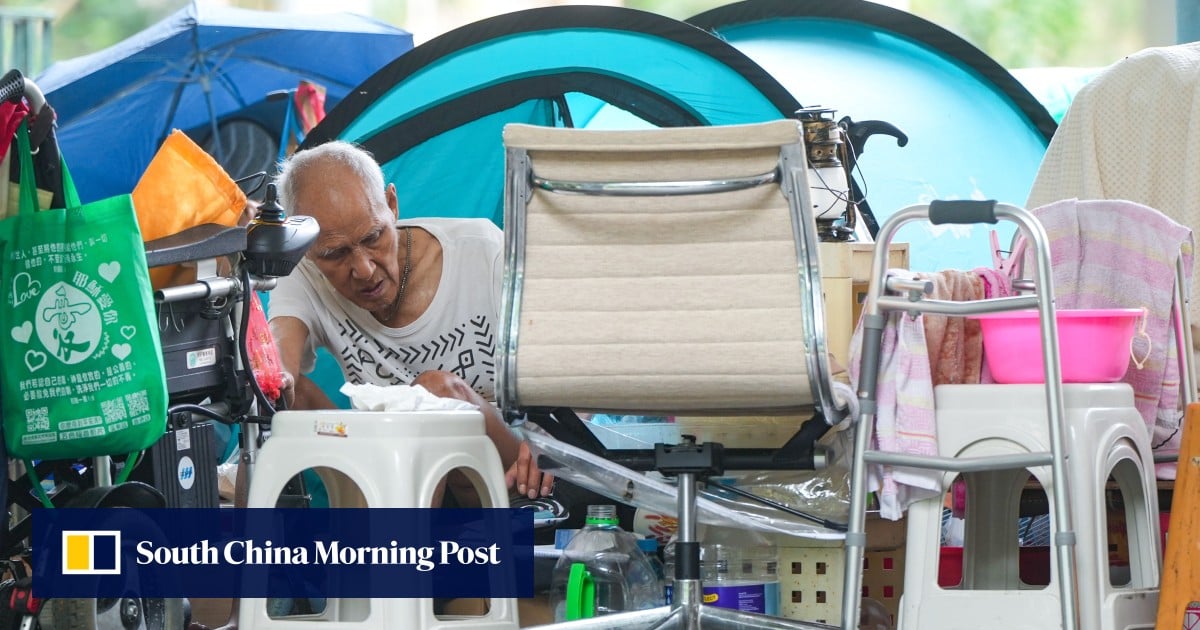
Kenny Ng Kwan-lim, deputy head of programmes at Impact HK, a charity supporting the city’s homeless, said many street sleepers face numerous obstacles in applying for waivers due to their unstable living circumstances.
“Even if their possessions have not been stolen, in the face of their health difficulties, it’s not easy for homeless residents to produce clear records [for applications],” Ng said.
ImpactHK surveyed 120 people who did not have stable accommodation, from street sleepers to low-income residents without stable housing, between February and March this year to gauge their understanding of, and response to, higher public hospital fees that came into effect on January 1.
The poll found that 57.1 per cent of respondents said they would reduce medical visits, including follow-up appointments, in response to increased fees for public hospital and clinic visits, as well as medication charges.
Since January 1 this year, public medical fees have increased across various categories. Charges for non-critical and non-emergency patients at public accident and emergency departments have increased to HK$400 (US$51) from HK$180.
Patients requiring overnight hospital treatment will need to pay HK$200 to HK$300 per day for a bed, up from HK$100 to HK$120. Fees for family medicine clinics have risen from HK$50 to HK$150 per visit, with patients paying HK$5 per prescribed drug for four weeks’ worth of medication.