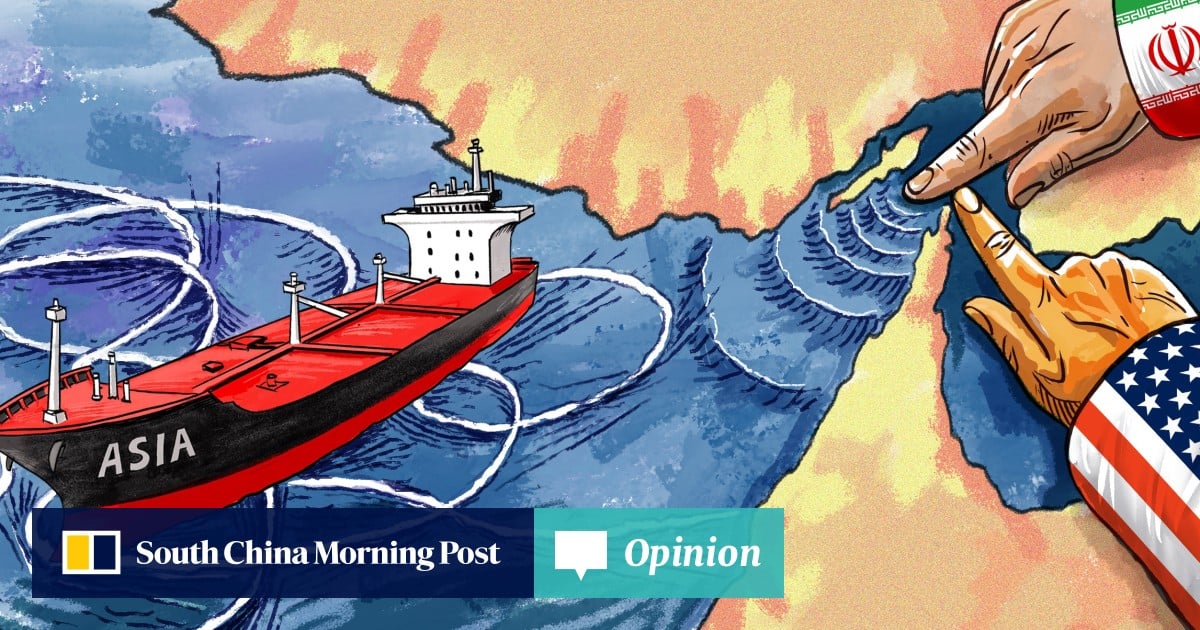
As the Gulf moves from war to managed disruption, the risk may become more enduring for markets, governments and companies
3-MIN READ3-MIN ListenMarco VicenzinoMarco Vicenzino specialises in geopolitical risk and international business development. Published: 8:30pm, 29 Apr 2026Even if the immediate phase of conflict subsides, the Gulf is unlikely to return to the status quo. For Asia, the central question is no longer simply whether the Strait of Hormuz is open. It is whether the waterway remains reliable, predictable and politically insulated from coercion.
That distinction now matters more than ever. For China and other major Asian importers, it is a question of whether energy flows, shipping routes and sanctions exposure are increasingly being shaped by a crisis they do not control.
This is the new Hormuz disorder. It is a condition short of full-scale war but still far from normal commerce. It is a coercive middle ground where access remains possible, but confidence is weakened. That is precisely why it matters so much for the Indo-Pacific. For Asian economies, prolonged uncertainty can be damaging even without a spectacular closure of the strait.